
Last updated November 22, 2026
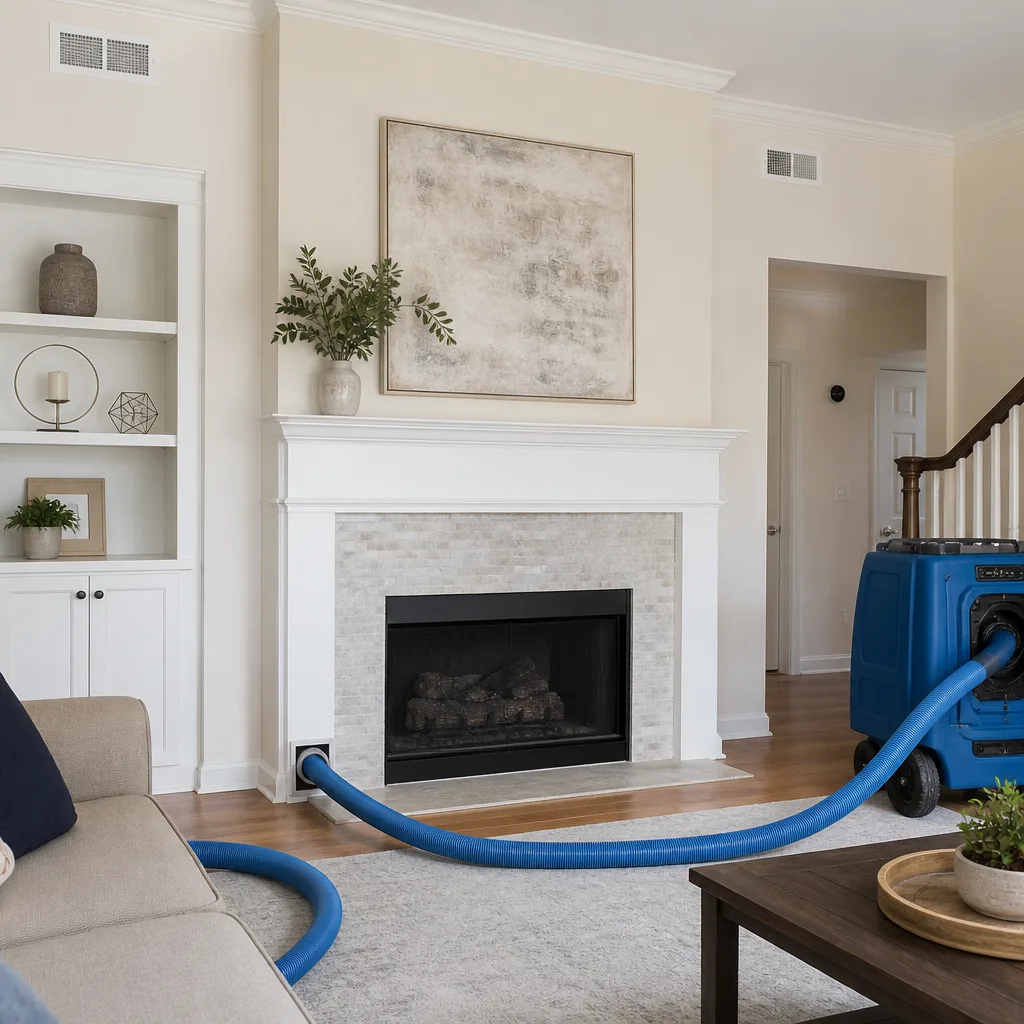 Whole-home duct cleaning
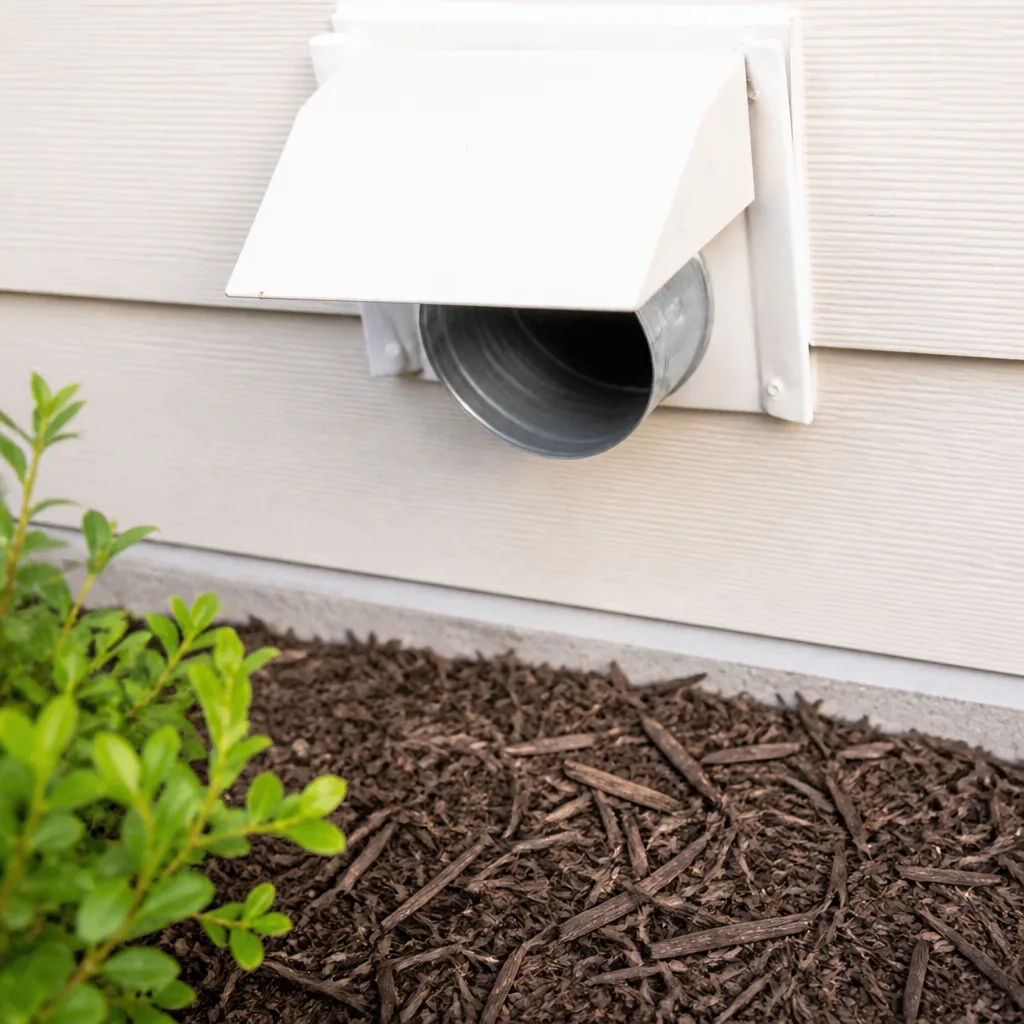 Dryer vent cleaning
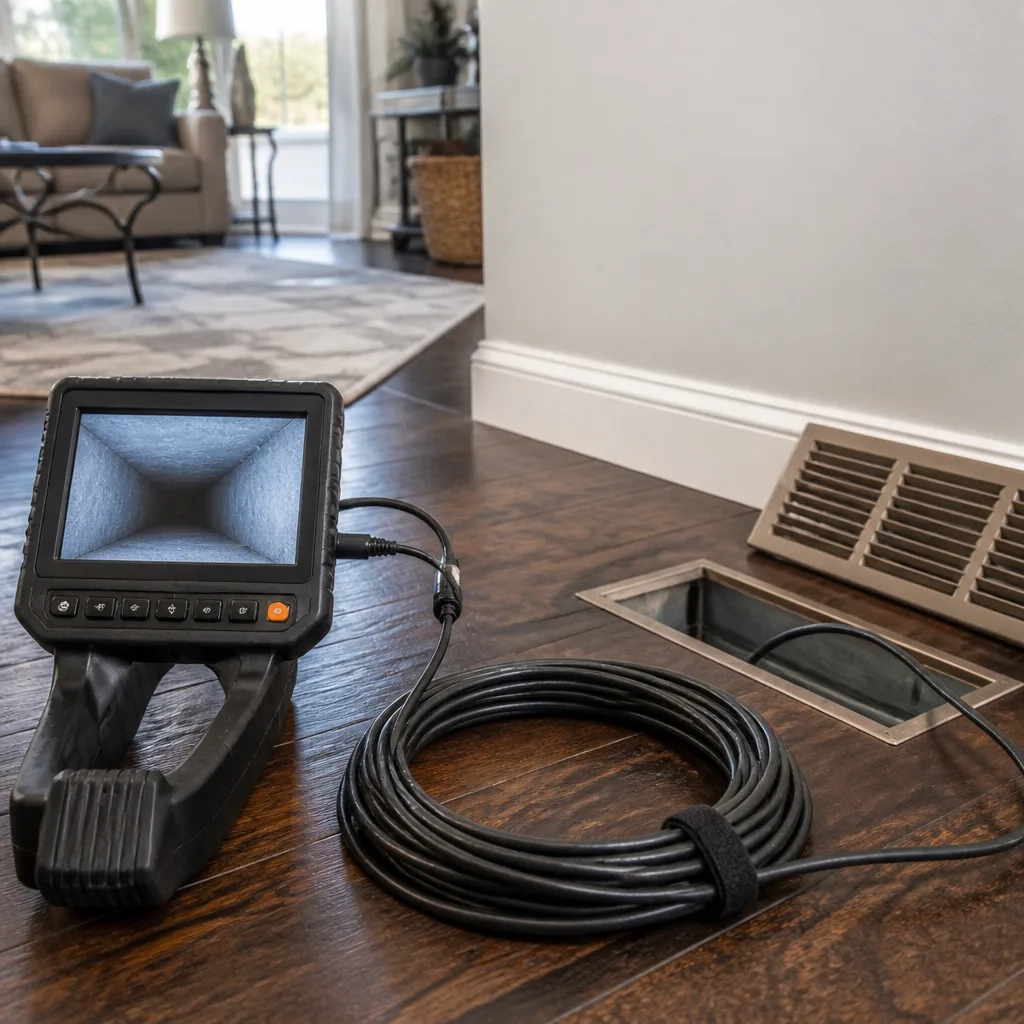 Camera inspection
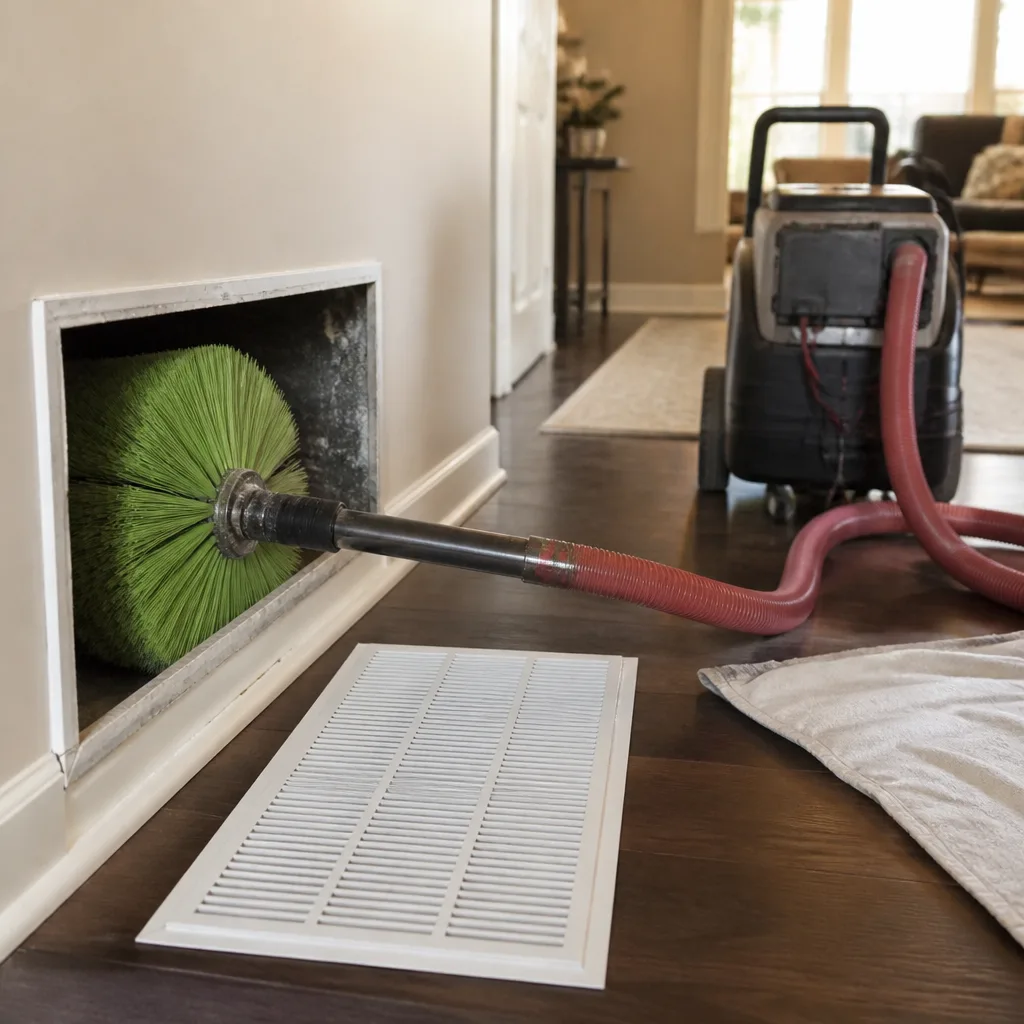 Sanitizing & deodorizing
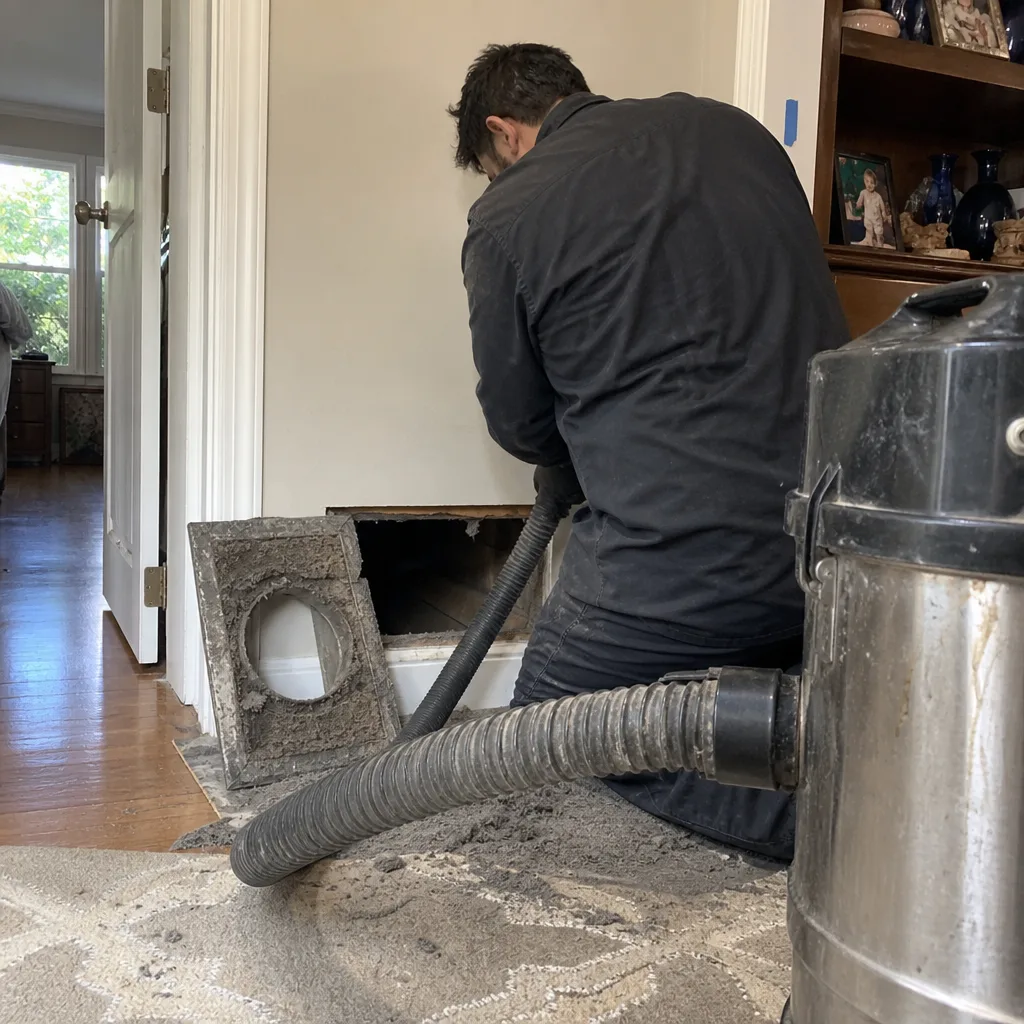
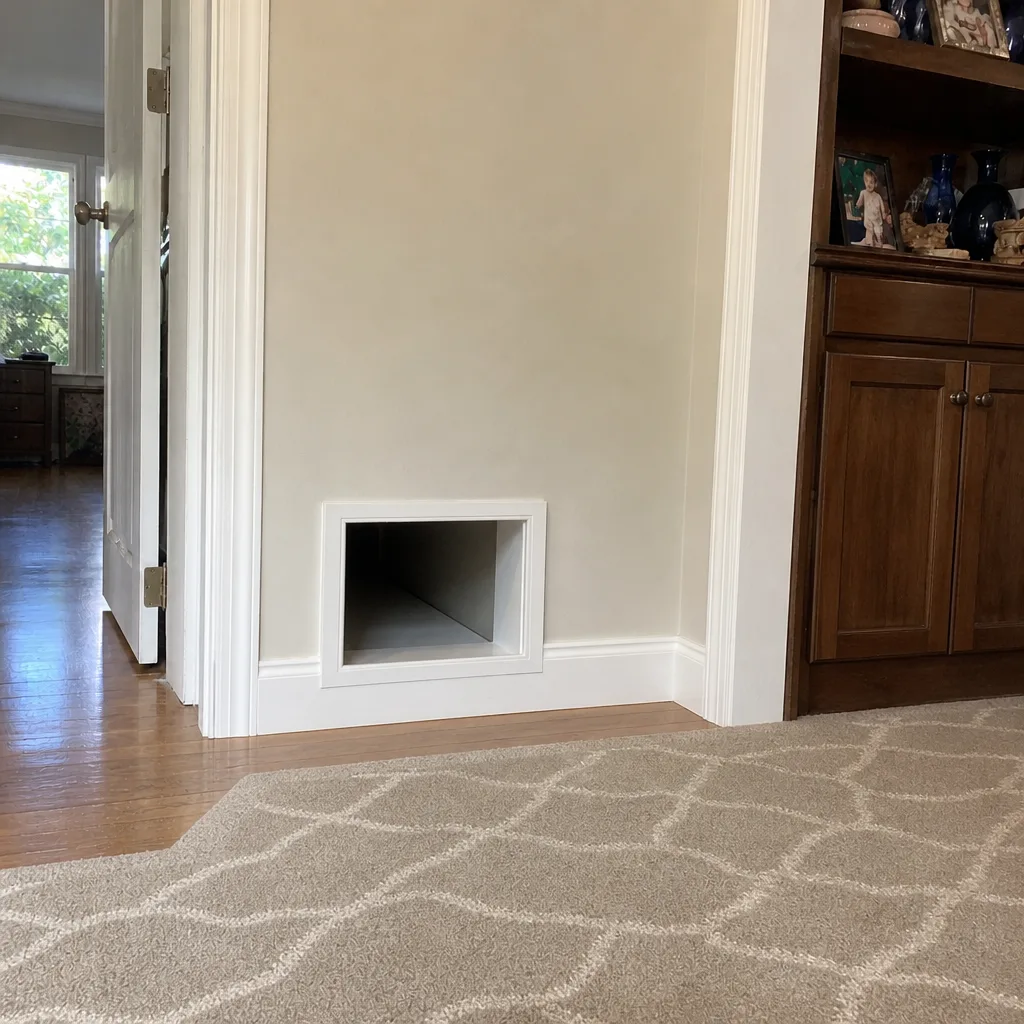
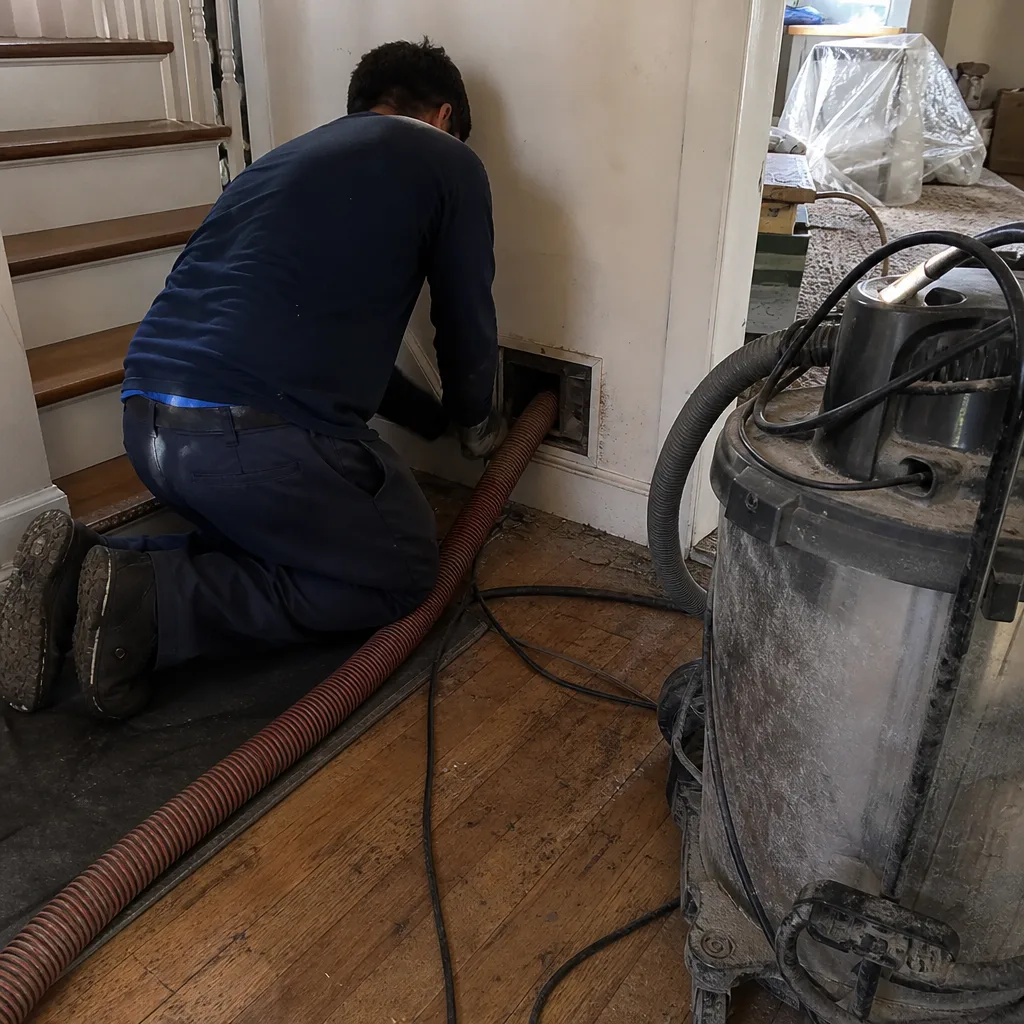
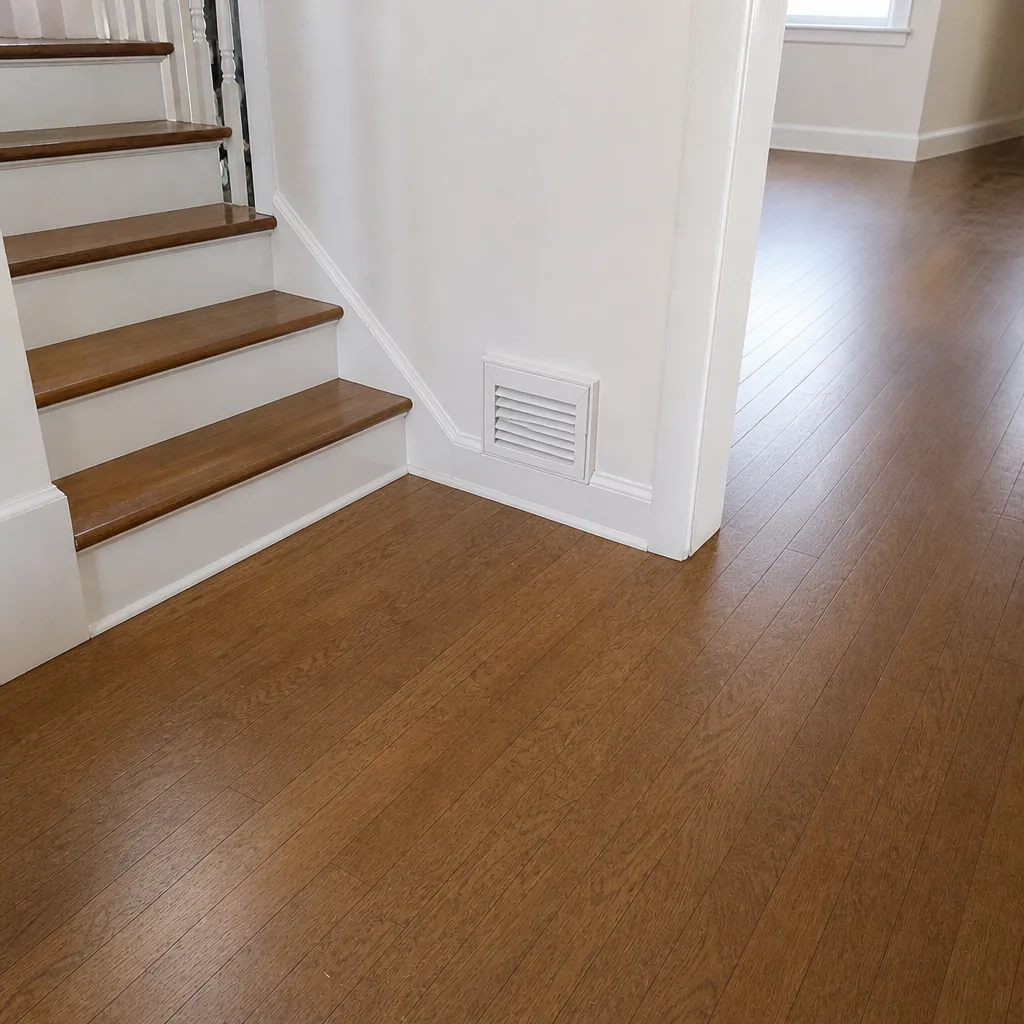
Whole-system duct and dryer vent check with before-and-after photos - you see exactly what came out of your vents
That "$99 whole-house special" is a bait ad - the real number appears once they are in your hallway, or the "clean" is a shop-vac at the register. We photograph the inside of your ducts before and after instead.
Air Duct Cleaning Cost Breakdown: The Chelsea Homeowner’s Reference for 2026
The $99 duct cleaning special is the most expensive thing you’ll ever get quoted in Chelsea, and we mean that literally. It doesn’t include negative pressure equipment, it doesn’t include access panel creation, and it almost never touches the return side of your system. What it covers is roughly the same ground you could cover with a shop vac and a flashlight, except you’re not the one crawling through a pre-war duct run. Real air duct cleaning pricing in Chelsea depends on system size, duct accessibility, agitation method, and how honest the quote is about what’s actually included. This guide breaks down every line item so you can compare quotes on equal terms and spot a bait-and-switch before it starts.
Quick Answer
A full residential air duct cleaning in Chelsea typically runs $450 to $1,400 for a standard apartment or brownstone system, and $900 to $2,500 or more for full-floor co-ops or multi-zone layouts. The range is wide because the work is genuinely different from building to building, and the written estimate – arrived at after someone actually inspects your system – is the only number that means anything.
Styles & brands we work with
- Whole-home duct cleaning
- Dryer vent cleaning
- Camera inspection
- Sanitizing & deodorizing
Table of Contents
- What Actually Drives Air Duct Cleaning Cost in Chelsea
- The Line-Item Breakdown of a Real Quote
- How Building Type Affects Labor Hours and Price
- Legitimate Add-Ons vs. Unnecessary Charges
- Why a Phone Quote Can’t Be Trusted
- Red Flags in Pricing
- How to Prepare for the Appointment
- What You Should Expect After the Work Is Done
What Actually Drives Air Duct Cleaning Cost in Chelsea
Four variables determine what a real air duct cleaning in Chelsea should cost, and none of them are the ones you’ll see in an advertisement. The first is accessibility. Chelsea’s housing stock is dominated by pre-war walk-ups, and those buildings were not designed with cleanable ductwork in mind. Branches run behind plaster, above original ceilings, and through shafts that require real planning to reach. Every access point a technician has to create adds time, and time is what you’re paying for.
The second is system size. A studio’s single supply run and return is a completely different job from a full-floor co-op with twelve registers and two returns. Full-floor units along the brownstone blocks near West 22nd often have systems that span enough linear footage to double the labor of a comparable one-bedroom a few doors over. Price-per-room is a fiction in this neighborhood; price-per-linear-foot-of-duct is closer to reality.
The third is contamination level. A system that has run for years without service, or that sits downwind of a renovation, needs more agitation passes, more filtration run time, and possibly sanitizing treatment. If the ducts are holding debris from a gut renovation upstairs, that’s a time variable that a phone quote cannot possibly account for.
The fourth is equipment quality. Negative pressure matters more in Chelsea than almost anywhere else, because a lot of the housing here is tight, shared, and old. Cheap crews skip the negative pressure machine, which means the debris they agitate gets pushed into your living room. We use Abatement Technologies air filtration equipment precisely because the contamination control is half the job. Professional-grade machinery from Rotobrush and Nikro is what puts the numbers where they land; consumer vacuums can’t get the airflow required to move real volume.
The Line-Item Breakdown of a Real Quote
Here’s what a properly scoped air duct cleaning estimate in Chelsea should look like when it’s itemized. If your quote skips line items entirely, treat that as a data point.
| Line Item | Typical Range | What It Covers |
|---|---|---|
| Inspection & assessment | Included at no charge in a proper quote | Camera check of main runs, register count, access plan |
| Negative pressure setup | $75 – $200 | Sealing returns, connecting filtration unit, establishing containment |
| Access panel creation | $30 – $75 per panel | Cutting and sealing service openings in plaster, drywall, or duct board |
| Agitation / mechanical cleaning | $150 – $450 | Rotary brush and whip work through supply and return runs |
| Extraction (HEPA or filtration unit) | Often bundled with agitation | Pulling loosened material into a sealed collection unit |
| Sanitizing treatment | $75 – $250 | Optional microbial treatment using air quality products |
| Verification / post-clean photo documentation | Included | Before-and-after evidence of your actual ducts |
Notice what isn’t on that list: a per-vent price. Per-vent pricing is the industry’s favorite way to hide the real scope. A quote of “$25 per vent” sounds cheap until someone strolls through and counts thirty registers. A legitimate air duct cleaning quote prices the system, not the register count. Our air duct cleaning work is quoted as one flat price per system, agreed before the equipment comes out of the case.
The other thing to notice: agitation method sits in the middle of the range because it’s the actual labor. If someone’s quote for the whole job is lower than the agitation line alone, ask what they’re actually doing in there. The answer is usually “vacuuming near the registers.”
How Building Type Affects Labor Hours and Price
Chelsea has at least four distinct building types, and each one prices differently. A brownstone is usually a straightforward arithmetic job: the duct runs are in the walls and floors, the access is predictable, and the whole system is contained within a single horizontal footprint. Labor hours scale with square footage, not geometry.
A high-rise is a lateral problem. Ductwork branches through slabs and shared shafts, and the technician is often working within a schedule window imposed by the building. That doesn’t automatically make the job expensive, but it does add setup time and coordination. A high-rise quote that doesn’t account for building access scheduling is a quote that will change on arrival day.
A converted loft is the tricky one. Conversions tend to bury the duct runs in dropped ceilings, with flexible ducting that takes different agitation tools than rigid metal. Flexible runs need lower-pressure agitation or they tear; that changes the tool, not the outcome, but it’s a factor. A warehouse conversion along the far west side of Chelsea may also carry duct systems sized for far more airflow than the current residential layout needs, which means larger duct diameter, more surface area, more time.
And then there’s the multi-zone problem. A full-floor co-op with separate zones for front and rear sections has two systems’ worth of work under one roof. Don’t be surprised when the estimate reflects two systems. Certain add-ons change labor dramatically too: HVAC cleaning of the air handler and coil alongside the ducts is a very different day than ducts alone, and if the coil has never been touched, the additional time is real. We handle the whole system because that’s what a proper air quality job requires. A duct-only cleaning leaves the coil, cabinet, and fan housing untouched, and that’s where a lot of the airborne material originates.
Legitimate Add-Ons vs. Unnecessary Charges
Not every add-on is a scam, and not every add-on is necessary. Here’s how we separate them.
Legitimate and worth discussing:
- Coil cleaning. If the evaporator coil is coated in debris, cleaning the ducts without cleaning the coil is leaving the source of the problem in place. This is a genuine value add when the coil is visibly soiled.
- Sanitizing treatment. When there’s microbial growth, persistent odor, or a history of water intrusion, a treatment using products from a brand like Honeywell or Aprilaire addresses what mechanical cleaning alone doesn’t. It’s not for every job, but for the right job it matters.
- Duct sealing. In pre-war Chelsea buildings, duct leakage is the rule, not the exception. Sealing gaps at joints and plenum transitions stops recontamination and recovers lost airflow. It’s a repair, not a cleaning add-on, and it belongs in the same visit if the ducts are accessible.
- Dryer vent cleaning. If the dryer vent is on the same visit, doing dryer vent cleaning at the same time is efficient and addresses a leading cause of residential fires. This is never an unnecessary charge.
Unnecessary or inappropriate:
- Ozone fogging in occupied spaces. Ozone is a respiratory irritant and doesn’t belong in a home someone is living in. Ask why it’s being proposed; the answer is usually that it’s easy to sell.
- Chemical sealants applied inside active supply ducts without documentation. Some coating products are legitimately used in restoration; a routine cleaning job doesn’t need one.
- Antimicrobial treatments “for prevention.” If nothing’s growing and nothing’s wet, there’s nothing to treat.
- UV treatment sold as a substitute for cleaning. A UV lamp doesn’t clean a dirty duct; it can support a system that’s already been cleaned.
Why a Phone Quote Can’t Be Trusted
There is exactly one honest answer a company can give when you ask for a price over the phone before anyone has seen your system: “we need to look first.” A flat-rate quote given sight-unseen is a number the company has decided to charge regardless of what’s actually in your ducts, and the only direction that number moves once the technician is inside is up.
Here’s how a proper assessment works when it’s done the way it should be:
- Register count and location walk-through. The technician counts supply and return registers and notes where each one sits, including the ones that are painted over, blocked, or hidden behind furniture.
- Main run camera inspection. A small camera goes into the main trunk and a sample of branch runs to see what’s actually inside – not just what’s visible at the grill.
- Access planning. Based on the building type and ceiling construction, the technician identifies where panels need to go and confirms the number with you.
- System sizing. Linear footage of duct, number of zones, and the air handler model all feed the workload estimate.
- Written estimate. One flat price per system, in writing, with add-ons itemized so you can decide.
That’s the whole reason we build the quote from an inspection. Our technicians have up to 15 years of experience in this city’s buildings, and the consistent lesson from that experience is that the ducts in Chelsea don’t resemble the ducts anywhere else. A quote that hasn’t seen them hasn’t been written yet.
Red Flags in Pricing
When you’re calling around for air duct cleaning in Chelsea, watch for these specific patterns. Each one is a signal that the number on the table isn’t the number you’ll pay.
- A flat price quoted over the phone without seeing the system. Even a well-designed pricing model can’t price your ducts from a description over a phone. If the company hasn’t seen them, they haven’t priced them.
- Door-to-door or “neighbor already booked” specials. Chelsea buildings see these, frequently timed around the spring and fall turnover of leases. A price that’s only good if you sign today isn’t a price; it’s a pressure tactic.
- Per-vent pricing with no cap. If the quote is $20 per register with no ceiling, you’re one surprise register count away from double the price.
- No negative pressure equipment in the truck. A crew that arrives without a filtration unit is going to blow the debris into your home. Ask what they’ll use before they start.
- No before-and-after documentation. If they can’t show you your own ducts before and after, you have no way to know what was actually done.
- “We’ll discover more once we’re inside” as a setup for the whole job. Every honest quote includes a small allowance for surprises because buildings lie. But a company that budgets for a 100% overage on the estimate is not really quoting.
- Ozone fogging framed as a standard part of cleaning. In occupied Chelsea apartments, this should never be a routine inclusion.
How to Prepare for the Appointment
You can meaningfully shorten a cleaning visit by getting the space ready the day before. Our technicians appreciate it, and it keeps the estimate accurate by cutting down on wasted setup time.
- Clear the floor and register access. Anything covering or blocking a register, including area rugs and furniture, should be moved to the side.
- Confirm the access plan in advance. If access panels will be created, know where. In a Chelsea rental or co-op, you may need building approval or a landlord’s sign-off before a panel gets cut. Ask the company to specify in writing that panels will be created and where.
- Plan for the day of the work. Cleanings generate noise and require the system to be off. If anyone in the household has respiratory sensitivity, plan a quiet room or an afternoon out.
- Hand over any relevant history. Recent renovations, a water leak from upstairs, or an old pest issue all change the workload. Tell the technician before the work starts, not after.
- Be ready to review the before-and-after photos on site. A proper job ends with a walkthrough, not a handshake.
What You Should Expect After the Work Is Done
You should expect three specific things after a proper air duct cleaning in Chelsea, and any quote that can’t promise all three isn’t worth the ink. The first is before-and-after photo evidence of your own ducts. Not stock photos of some other job. Yours. This is the single most important verification step and the one you should demand in writing.
The second is a quiet system and cleaner registers. If dust is still blowing out of the grills within a day or two of the cleaning, something was missed. Admittedly, in a pre-war building, some ambient dust is normal and a full-system improvement may take a few weeks to become obvious in the air quality. But visible blow-out is a clear failure signal.
The third is a clear record of what was done, including any access panels created, any repair or sealing performed, and the sanitizing products used. When you’re ready for the next service, you’ll want that record – especially in a building where the ducts have never been touched before you moved in. We refer to this as your system’s baseline, and it’s the thing that turns every future cleaning from a guess into an informed comparison.
Common Mistakes to Avoid
- Choosing on lowest quoted price alone. In Chelsea’s pre-war buildings, the low quote is almost always the quote that assumes the ducts are cleanable with a shop vac. The job that leaves contamination behind costs more in the long run.
- Not asking for the before-and-after photos in advance. The photos are the receipt. If a company won’t commit to them in writing, they’re either not sure their work will hold up or they’re not planning to show you the original state.
- Letting a building super or rental handyman “handle it” as part of a unit turnover. A quick pass with a rented vacuum is not cleaning, and it doesn’t address the return side or the coil. In a rental, this is the most common way tenants end up with dust still blowing a week later.
- Mistaking a low per-vent quote for a low whole-system price. A full-floor co-op with twenty-two registers is a completely different job than a studio with four, and any quote that doesn’t acknowledge that is quoting a job it hasn’t seen.
- Skipping the pre-inspection. A cleaning crew that arrives without having done an assessment is a crew that will find something new to charge for once the equipment is plugged in.
- Accepting ozone treatment in an occupied apartment. It shouldn’t be standard practice, and in Chelsea’s dense shared buildings the results affect neighbors as much as the unit being treated.
- Assuming duct sealing is a separate job for a different specialist. In many Chelsea buildings the leakage is the bigger problem than the debris. A company that can only clean but can’t seal or repair is leaving the root cause in place. We handle clean, repair, seal, and sanitize together because the system only works as a whole.
See the difference
 Before
 After
 Before
 After
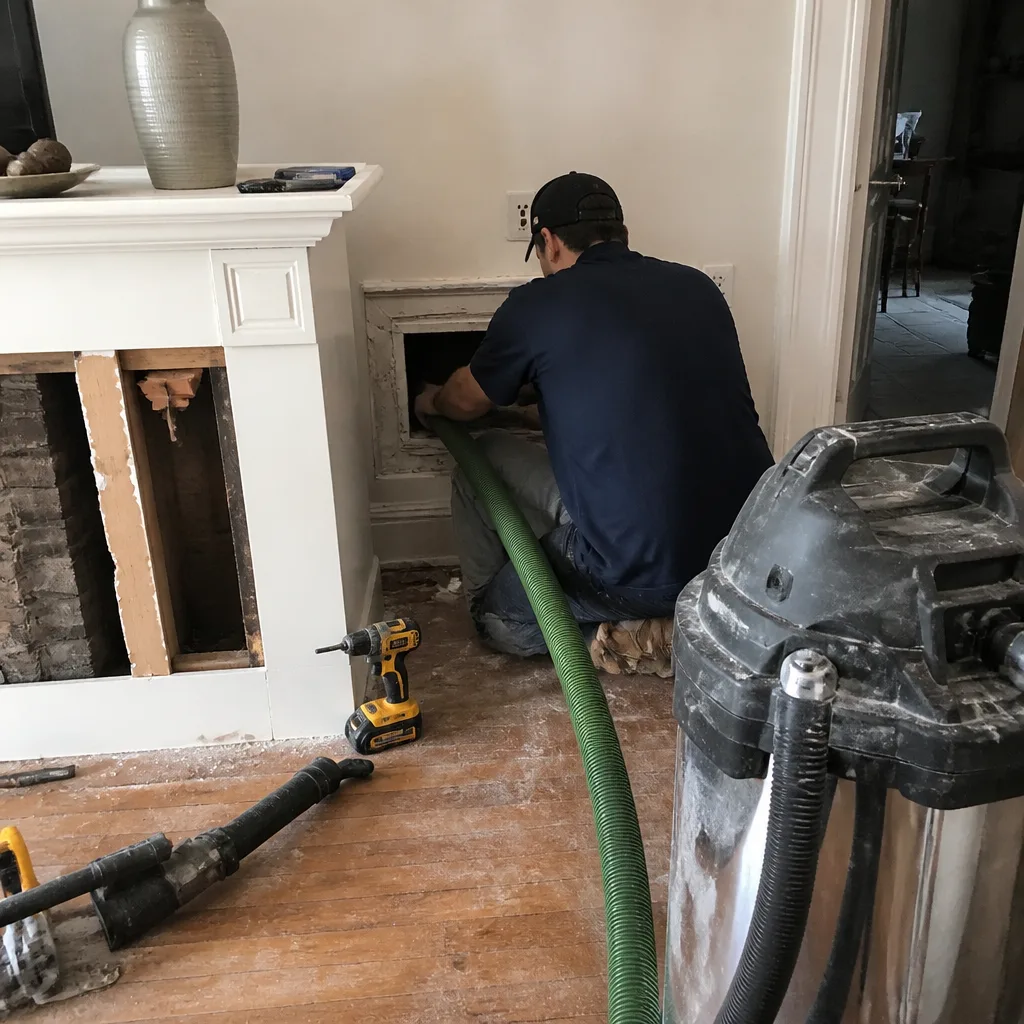 Before
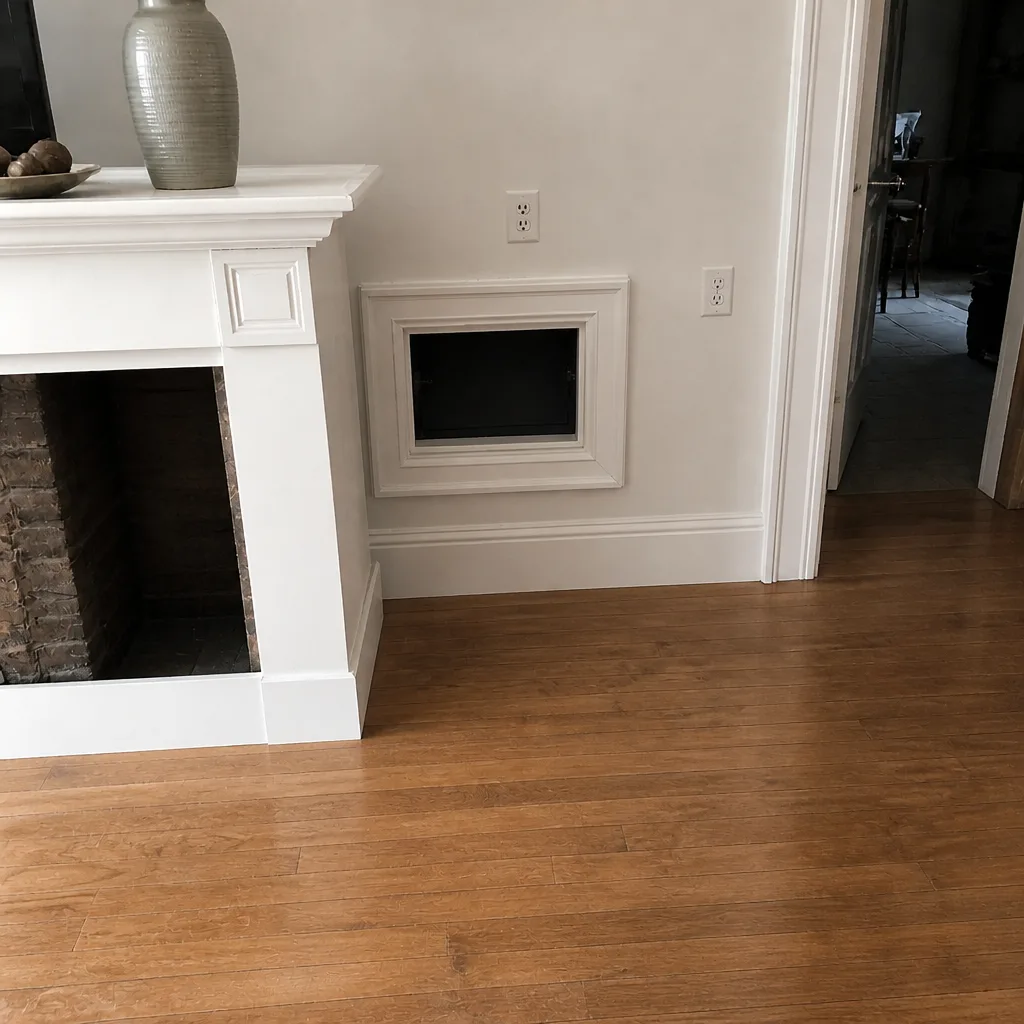 After
When to Call a Professional
Call a professional when you see visible debris or mold inside a register, when dust starts accumulating on furniture within days of cleaning, when you can hear the system whistle at joints (a sign of leakage or blockage), or when anyone in the household has ongoing respiratory sensitivity tied to time indoors. Consider a scheduled cleaning after any major renovation in a Chelsea building, because debris from a gut job travels through the shared returns. And in any pre-war walk-up where the ducts haven’t been touched in living memory, a baseline inspection is worth the visit even before you commit to cleaning. Chelsea Air Duct Cleaning offers free estimates in Chelsea – call (866) 979-5520. We answer 24/7. Fast dispatch from 7am to 7pm, Sunday through Friday.
Frequently Asked Questions
Expect a range of $450 – $1,400 for a standard apartment or brownstone system and $900 – $2,500 or more for full-floor co-ops and multi-zone layouts, with the final number set by a written estimate after the system has been inspected in person. The range is wide because Chelsea’s pre-war buildings require access work, contain variable contamination levels, and vary dramatically in linear duct footage. Call (866) 979-5520 for an exact quote – estimates are free.
Cheaper quotes usually leave out negative pressure setup, return-side cleaning, access panel work, and post-job photo verification, so they’re not quoting the same scope. The $99 special is a real, specific example of a quote that covers what a shop vac could reach. When you compare quotes in Chelsea, compare line items, not totals. Call (866) 979-5520 to walk through what a proper scope looks like.
You should receive before-and-after photos of your own ducts, a walkthrough of any access panels or repairs, and a written summary of what was cleaned and what products were used. Request this in writing before the work begins so there’s no ambiguity afterward. Call (866) 979-5520 to ask what a Chelsea job’s documentation looks like – estimates are free.
Most homes don’t need annual cleaning; a typical interval is every three to five years, or sooner after a renovation, a water intrusion, or a move into a building whose ducts haven’t been serviced. The right answer depends on how the system was treated before you lived there. In Chelsea’s older buildings, a first cleaning often reveals a buildup that calls for a follow-up inspection sooner than the general rule. Call (866) 979-5520 for a free assessment.
Yes, and for a specific reason: pre-war duct runs leak at more joints, hold contamination longer, and are harder to access than modern systems, so a cleaning that includes sealing and repair recovers more functional value here than it would in a newer building. A duct cleaning that doesn’t address leakage will recontaminate. Call (866) 979-5520 to talk through what’s realistic for your building.
Yes, and doing them together is more efficient than scheduling separately. Dryer vent cleaning is a dedicated service for good reason: lint accumulation inside a vent run is one of the leading causes of residential fires. Putting it on the same visit addresses both air quality and fire risk in one appointment. Call (866) 979-5520 – estimates are free.
The Bottom Line
A fair air duct cleaning price in Chelsea is one you can trace to specific line items: inspection, negative pressure setup, access work, agitation, extraction, optional sanitizing, and verification. Anything that can be quoted without knowing your system isn’t a price, it’s a starting point that will move. Expect $450 to $1,400 for a standard apartment and more for full-floor or multi-zone layouts. Demand before-and-after photos of your own ducts, ask what equipment will be on site, and insist on one flat price per system in writing. That’s the whole point of transparency – and it’s what makes the next quote easier to judge.
Our team at Chelsea Air Duct Cleaning works from professional-grade equipment – Rotobrush and Nikro cleaning systems, Abatement Technologies filtration – because that’s what it takes to clean a pre-war Chelsea duct run without blowing the debris into the living room. We clean, repair, seal, and sanitize, and we can put every part of that scope in a written estimate. Call (866) 979-5520 for a free estimate. We answer 24/7. Fast dispatch from 7am to 7pm, Sunday through Friday.
Written by the team at Chelsea Air Duct Cleaning.