
Last updated November 22, 2026
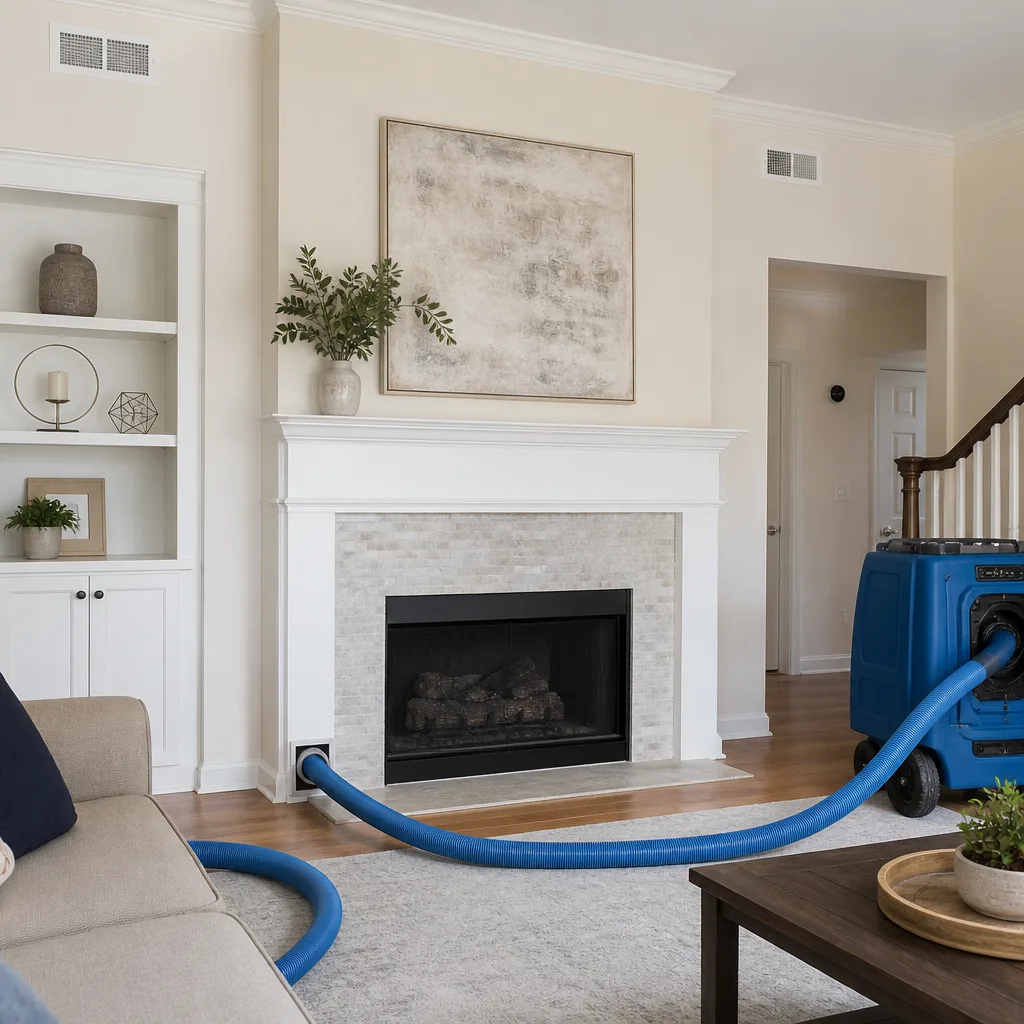 Whole-home duct cleaning
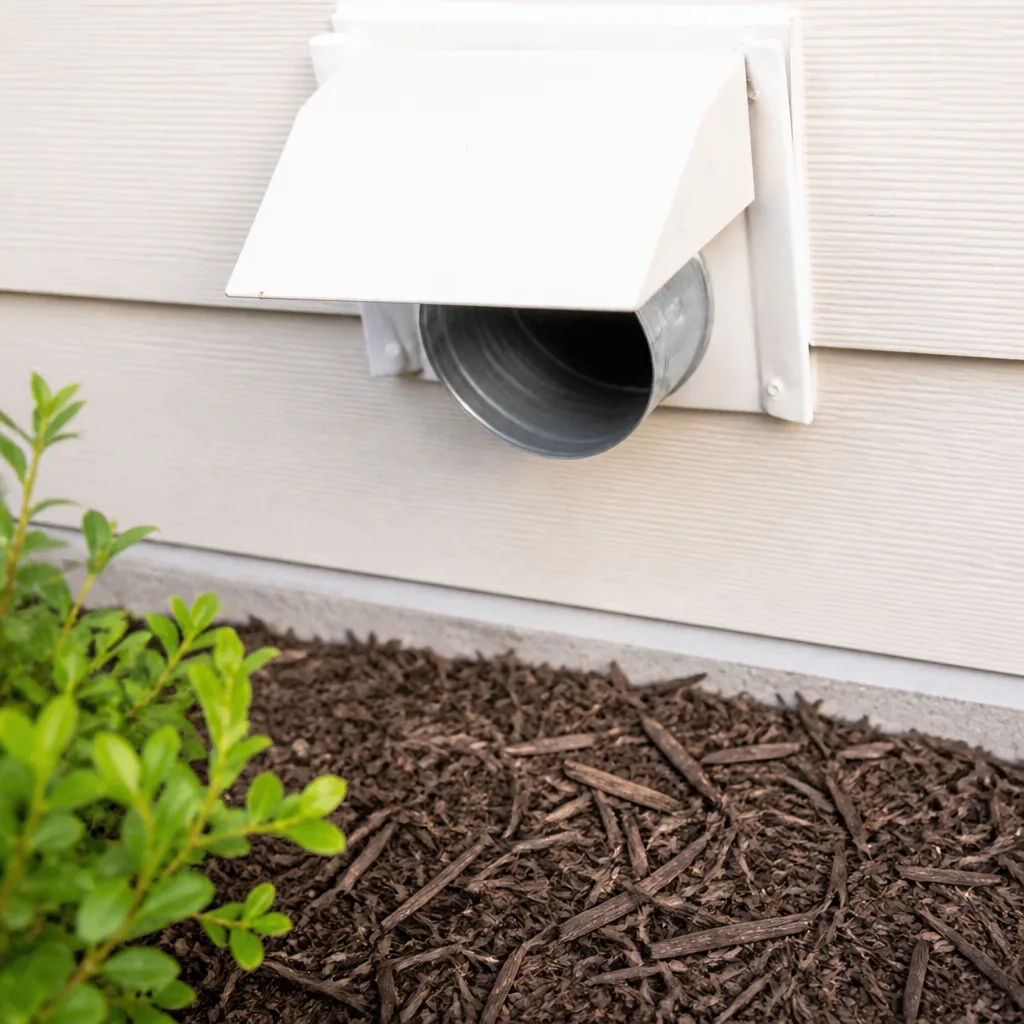 Dryer vent cleaning
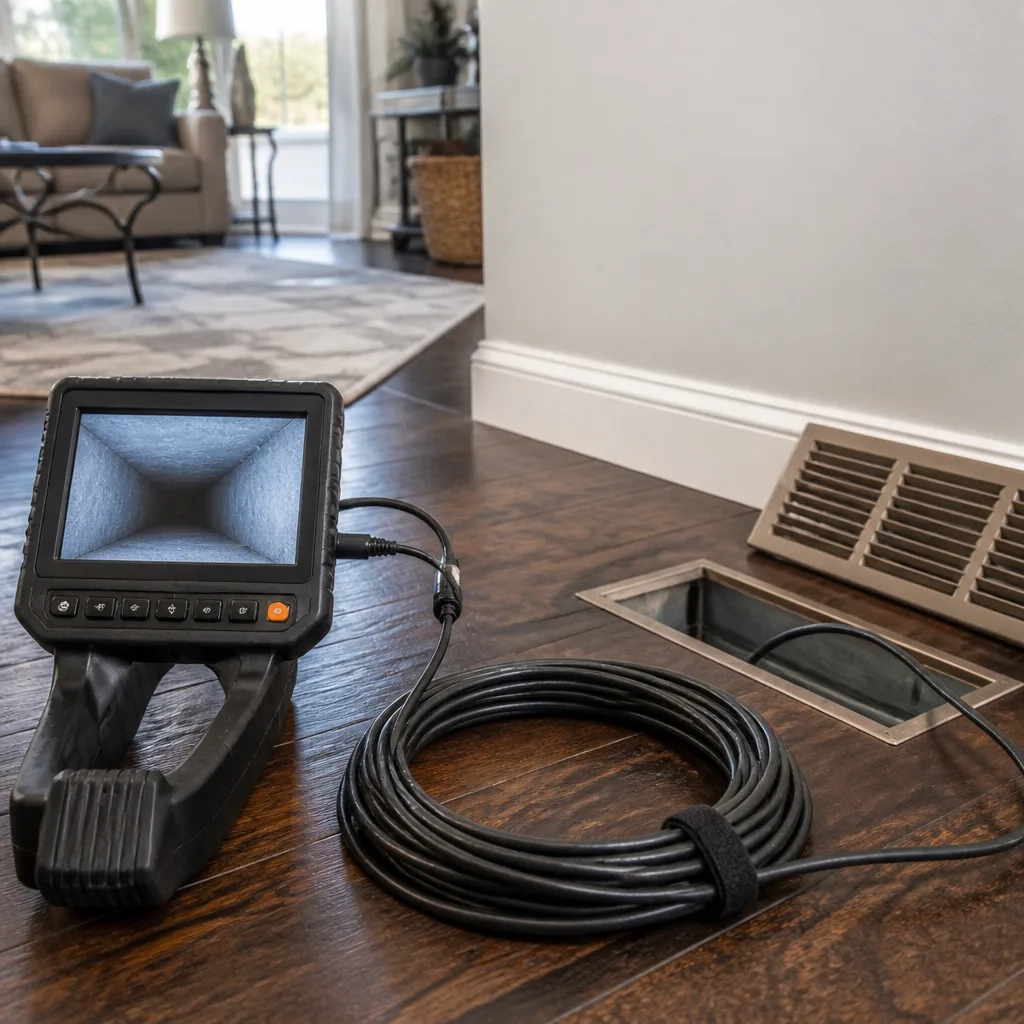 Camera inspection
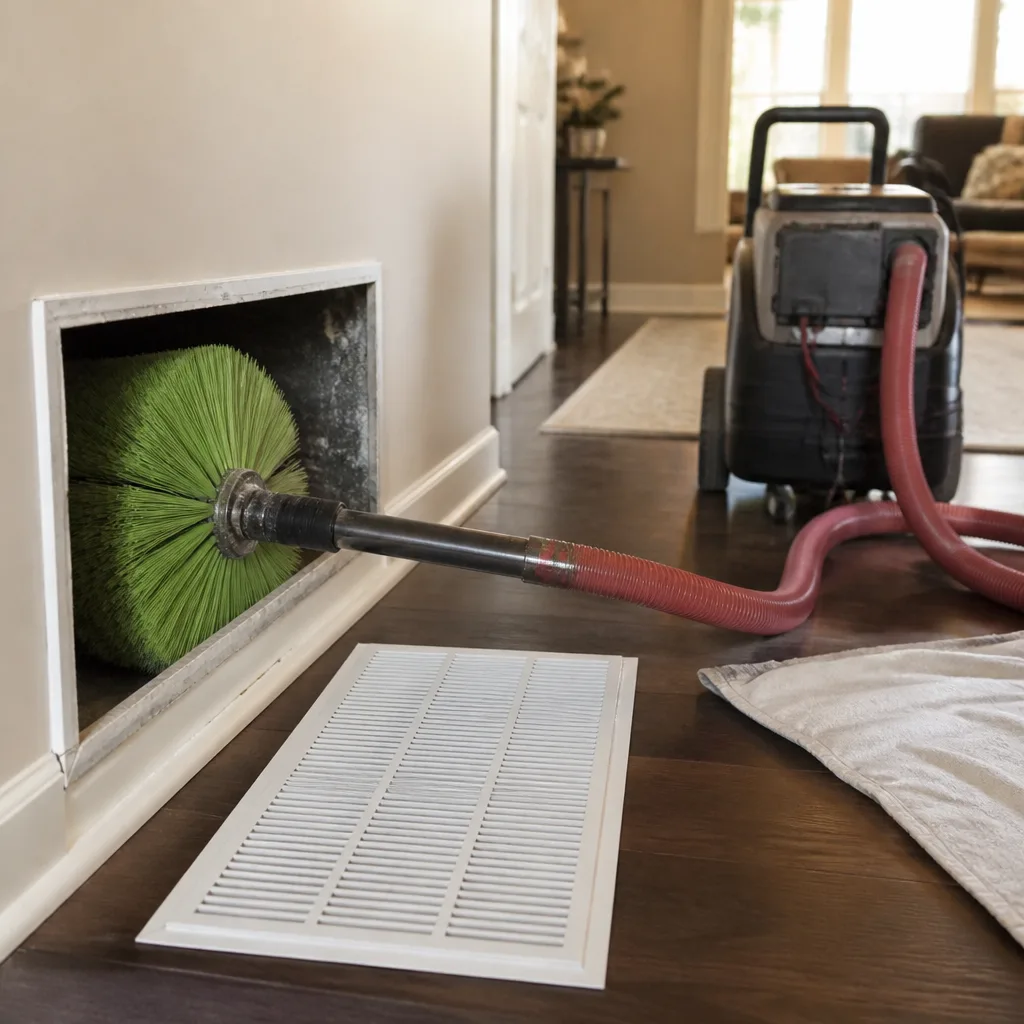 Sanitizing & deodorizing
Whole-system duct and dryer vent check with before-and-after photos - you see exactly what came out of your vents
That "$99 whole-house special" is a bait ad - the real number appears once they are in your hallway, or the "clean" is a shop-vac at the register. We photograph the inside of your ducts before and after instead.
Air Duct Cleaning Maintenance Checklist for Chelsea Homeowners
Most duct cleaning companies sell a calendar. Clean every year. Clean every two years. Sign here. The EPA doesn’t recommend cleaning ducts on a fixed schedule at all. It recommends cleaning them when conditions inside the system call for it. That’s a different business entirely, and it puts the decision back in your hands. This guide is a checklist built around what you can actually see, smell, and measure in a Chelsea apartment or brownstone: the register grilles, the filter you just changed, the dust on the windowsill, the allergy season that hit harder this year. Work through it and you’ll know when your ducts need attention and when they don’t.
Quick Answer
A duct maintenance checklist for a Chelsea home combines monthly owner tasks (filter checks, register inspection, return grille clearing), seasonal checks tied to heating and cooling changeover, and annual condition assessments that look for visible debris, airflow drops, and musty odors. The trigger for professional cleaning is condition-based, not calendar-based: visible contamination, unexplained allergy symptoms, or a measurable efficiency drop. If none of those are present, your ducts probably don’t need cleaning yet.
Styles & brands we work with
- Whole-home duct cleaning
- Dryer vent cleaning
- Camera inspection
- Sanitizing & deodorizing
Table of Contents
- Why Condition-Based Beats Calendar-Based
- Monthly Owner Tasks: 10 Minutes a Month
- Seasonal Checklist for Chelsea Apartments and Brownstones
- How to Log Filter Replacement and Read Filter Loading Rate
- Steam-Heat to Forced-Air Conversions: What Older Chelsea Buildings Hide
- Condition-Based Inspection Triggers: What to Look For
- Dryer Vent: The Separate Checklist That Actually Prevents Fires
- Documentation for Co-op and Condo Sales in NYC
Why Condition-Based Beats Calendar-Based
The EPA’s guidance on duct cleaning is condition-based. It says to clean when there’s visible mold growth inside the ducts, when vermin have infested the system, when ducts are clogged with excessive dust and debris, or when particles are actually being released into the home from the registers. Notice what’s missing from that list: a number of months, a number of years, a schedule.
A cleaning company can’t know your ducts need work before it has seen them. Neither can you, unless you know the conditions worth watching. That’s the whole point of a checklist. You watch the system, you log what you observe, and you call a professional when the observations point to a real problem.
In our experience, this matters more in Chelsea than in most neighborhoods. Buildings here are dense. The housing stock runs from pre-war walk-ups with converted heating systems to newer condo towers with tight, sealed ductwork. Filter loading happens faster in a building where the windows face a busy avenue, and slower in a rear-facing unit overlooking a courtyard. Two apartments in the same Chelsea co-op can need completely different maintenance intervals. A calendar can’t account for that. A checklist can.
The nice side effect: a homeowner who tracks conditions usually goes longer between paid cleanings, not shorter. That’s the opposite of what a schedule-based company will tell you, and it’s the honest answer.
Monthly Owner Tasks: 10 Minutes a Month
These are the things you can do yourself, without tools or training, in about the time it takes to make coffee. Do them on the same day each month so they become a habit rather than a memory exercise.
- Check the filter. Hold it up to a light source. If you can’t see light through the pleats, it’s loaded. Note the date.
- Inspect every supply register. Shine a flashlight into the grille. Look for dust streaks on the fins, dark buildup around the perimeter, or anything that looks fuzzy.
- Clear the return grille. A return that’s blocked by furniture, a rug, or a stack of books starves the system and forces it to pull harder elsewhere. Move whatever is in front of it.
- Wipe the register frames. Dust on the outside of the grille tells you nothing about the ducts. Dust accumulating on the fins and blades inside tells you something.
- Look at the air coming out. Stand under a register with the system running. If you can see dust in the airstream, particles are being released into the room. That’s a direct EPA trigger.
- Smell the return. Musty, sour, or mildewed odor when the fan runs is a flag. Normal forced air smells like nothing.
Write down what you found with the date. A short note on your phone is fine. Ten minutes of attention a month is enough to catch most condition changes before they become expensive, and it gives you a record to compare against if you ever need to call a professional.
Seasonal Checklist for Chelsea Apartments and Brownstones
Twice a year, the system changes over from heating to cooling or back. That’s when most problems show up, because the fan is running longer and across a different set of components. Run through this list ahead of each changeover.
Before heating season
- Replace the filter with a fresh one, even if the old one still looks okay. The first weeks of heating push a season’s worth of dust through the system.
- Vacuum the return grille and its frame with a brush attachment.
- Walk the apartment and confirm every supply register is open and unobstructed. Furniture and curtains routinely block registers in smaller Chelsea apartments.
- Check that the HVAC unit’s condensate line isn’t clogged from the cooling season. A standing line attracts mold, and mold in the system becomes mold in the ducts.
- Note any change in how long the system runs to bring the apartment to temperature compared to last winter. A longer run time on the same thermostat setting usually points to airflow restriction.
Before cooling season
- Replace the filter again.
- Look for condensation or dampness around the HVAC unit and the duct connections nearest it. Moisture in a duct is the fastest path to microbial growth.
- Open the windows on a dry day and let the apartment air out before turning the AC on for the first time in months.
- Check that the registers aren’t blowing warm air on the cooling setting. If they are, the issue is the unit, not the ducts, but it’s worth knowing.
If you live in a brownstone with a boiler, the seasonal checklist is mostly about the radiators and the unit, not the ducts. Ductwork in a Chelsea brownstone is usually a retrofit, which is exactly what the next sections are about. Our HVAC cleaning work often starts with these changeover checks because that’s when the underlying condition becomes obvious.
How to Log Filter Replacement and Read Filter Loading Rate
The filter is the cheapest diagnostic tool you have. Its loading rate tells you how dirty the air entering the system is, and dirty entering air means dirty ducts. Log the replacement date every time, and log the date you check it. Over six months you’ll see a pattern.
- Filter loads in under a month: the system is pulling heavy particulate from the return side. Likely causes are a return too close to a renovation, a window facing a busy avenue left open frequently, or debris already sitting in the return duct.
- Filter loads in one to two months: typical for a Chelsea apartment with normal occupancy. Standard.
- Filter loads in three months or more: relatively clean intake. Unless you have a specific condition (visible debris, musty odor), there’s usually no pressing reason to clean.
Two things make this log useful rather than just a habit. First, note the filter’s MERV rating. A higher MERV rating loads faster by design, so comparing loading rates across different filter ratings is meaningless. Second, note what kind of dust you’re finding: light grey dust is ordinary; dark, sticky, or clumpy buildup is a different story and usually means moisture somewhere in the system.
If the filter is loading unusually fast for several consecutive changes, that’s the point to have the return side of the ductwork inspected. A professional assessment inside the return tells you whether the cause is upstream contamination or just a leaky return path that’s pulling attic or wall cavity air. Those are different problems with different fixes. The team at our sister service handles that inspection as part of a full-system scope: air duct cleaning starts with looking at the whole network, not just blowing out the visible branches.
Steam-Heat to Forced-Air Conversions: What Older Chelsea Buildings Hide
Here’s a checklist item almost nobody writes about, and it matters in Chelsea. A lot of older buildings in this neighborhood were built with steam or hot water radiators and converted to forced air at some point, sometimes decades ago and often without documentation. When a building converts this way, the ductwork is almost always retrofitted into spaces that weren’t designed for it: ceiling chases, closet voids, behind original plaster.
Those retrofit ducts have specific failure modes that the original radiator system never had. Watch for these conditions:
- Unsealed joints behind plaster. Retrofits were often joined with tape or joint compound, which dries out over decades. A leaky joint doesn’t show up as dust; it shows up as a room that never quite reaches temperature and a filter that loads faster than it should.
- Abandoned radiator piping still in the walls. If the steam lines were cut but not fully removed, they can leave openings in the wall cavity that connect to the duct chase. That’s a path for air from inside the building structure to enter the ducts.
- Duct runs that squeeze through closet voids. A duct that runs through a poorly sealed closet picks up whatever’s in that closet, including humidity. That’s a common cause of the musty smell we get called about in Chelsea.
- Oversized returns left over from the original chases. An oversized return starves the fan pressure and pulls weakly, so it never removes the debris sitting in the branch lines.
If your building has been converted and you don’t know the state of the duct sealing, that’s worth having assessed. Sealing a leaky retrofit joint is a repair, not a cleaning, and it addresses the reason the ducts get dirty in the first place. That’s why we offer dryer vent cleaning and duct sealing side by side: the same leak logic applies to both. Our technicians have up to 15 years of experience reading these retrofit jobs, and the condition of the sealing determines how much of a cleaning is actually going to stick.
Condition-Based Inspection Triggers: What to Look For
An inspection is warranted when one of these conditions is present. It isn’t warranted just because a certain amount of time has passed. Print this list or save it to your phone.
- Visible debris at the registers. Not dust on the outside of the grille. Debris inside the register boot, or on the fins, or falling out when you open the grille.
- Particles in the airstream. Visible dust coming out of the supply registers while the system is running.
- Unexplained allergy flare-ups. A consistent pattern of allergy symptoms indoors, worsening when the system runs, that has no other explanation.
- A measurable efficiency drop. The same thermostat setting producing noticeably slower heating or cooling than last season. Longer run times with the same setpoint is the signal.
- Musty or sour odor from the returns. Any persistent smell that appears when the fan runs and clears when it stops.
- Rodent or insect activity. Droppings near registers, gnaw marks on duct insulation, or actual vermin seen near the HVAC unit.
- Visible mold growth. Dark or dark-green growth inside the register boot, on the plenum, or on duct surfaces near the unit.
- Recent renovation. Drywall dust is exceptionally fine and travels through the whole system during a renovation. A post-renovation inspection is warranted even if no other condition is present.
Three or more of these present at the same time is a strong signal. One alone is worth investigating, but isn’t always enough to justify a full cleaning. A professional inspection walks the whole system and looks at the parts you can’t see from a register: the plenum, the branch connections, the inside of the return trunk.
Dryer Vent: The Separate Checklist That Actually Prevents Fires
The dryer vent is a separate system from the HVAC ductwork, and it needs its own checklist. A clogged dryer vent is one of the leading causes of residential fires in the US, and it’s completely preventable with the tasks below. Almost every other duct cleaning company treats dryer vent cleaning as an add-on. It shouldn’t be.
- Every load: clean the lint filter. This is non-negotiable and takes five seconds.
- Every month: check the exterior vent flap. It should open freely when the dryer runs and close when it stops. A flap that sticks or stays open means there’s lint buildup in the run, or something nesting in the exterior hood.
- Every month: look behind the dryer. If the flexible transition hose is kinked, crushed, or sagging, air can’t move through it. Straighten it if you can safely reach it.
- Every three months: pull the lint trap housing and vacuum out the accessible lint below the trap. A surprising amount collects there.
- Any time drying time increases noticeably: this is a direct signal of restriction. A load that used to take 40 minutes and now takes 60 is telling you something.
- Any time the dryer body feels unusually hot or the exterior vent produces weak airflow: stop running the dryer and have the vent inspected before using it again.
Dryer vents in Chelsea layouts are often the worst kind: short runs with multiple 90-degree elbows behind a stacked washer-dryer in a closet. Each elbow adds restriction, and the run collects lint at every turn. If you’ve never had yours cleaned, this is the one checklist item where the calendar-based advice is actually correct.
Documentation for Co-op and Condo Sales in NYC
If you’re planning to sell a Chelsea co-op or condo, the duct documentation matters more than most sellers realize at the outset. Buyers in this market ask for it, and boards sometimes do too. Most properties don’t have it, and a buyer who discovers a maintenance record gap for the ductwork during diligence will use it to negotiate.
Here’s what to keep:
- Filter replacement log. Date, filter type, and MERV rating. This is the single most useful item, and the easiest to build up before you list.
- Professional service records. Date of last cleaning, what was cleaned (ducts, vents, HVAC), what was repaired or sealed, and any before-and-after photos provided. Ask for photos at the time of service if they aren’t provided.
- Dryer vent cleaning date. Especially relevant in units with a stacked washer-dryer where the buyer can’t visually inspect the run.
- Notes on any duct repairs or sealing performed. If a leaky retrofit joint was sealed, this is a value item and worth documenting.
Two years of filter logs plus one service record is enough to show a buyer that the system has been maintained. That’s a small thing to earn a smoother closing on.
Common Mistakes to Avoid
- Trusting a calendar-based schedule. A cleaning sold on a fixed interval means nothing unless the conditions warrant it. The condition-based approach tells you which repairs are actually needed, and which the ducts will handle without intervention.
- Ignoring the filter loading rate. A filter that loads in two weeks is telling you something. Replacing it and moving on misses the real information: the return side is pulling debris in.
- Skipping the return grille when vacuuming. Chelsea apartments have limited square footage, and returns get blocked by furniture constantly. A blocked return starves the system and can mimic the symptoms of dirty ducts.
- Assuming a converted build has sealed ductwork. In a Chelsea brownstone that was converted from steam to forced air, the retrofitted joints are often unsealed or leaked over the decades. Get that checked before deciding the ducts themselves are dirty.
- Treating dryer vent cleaning as an add-on. It isn’t. A restricted dryer vent is a fire risk and a separate maintenance item from the HVAC ductwork. It needs its own schedule.
- Not asking for before-and-after photos. Any company that won’t provide photos of the system before and after cleaning is asking you to trust a verbal report. Photos are how you verify the work was actually done.
- Selling without documentation. Duct service records don’t accumulate automatically. Starting a log after the property is listed is too late.
See the difference
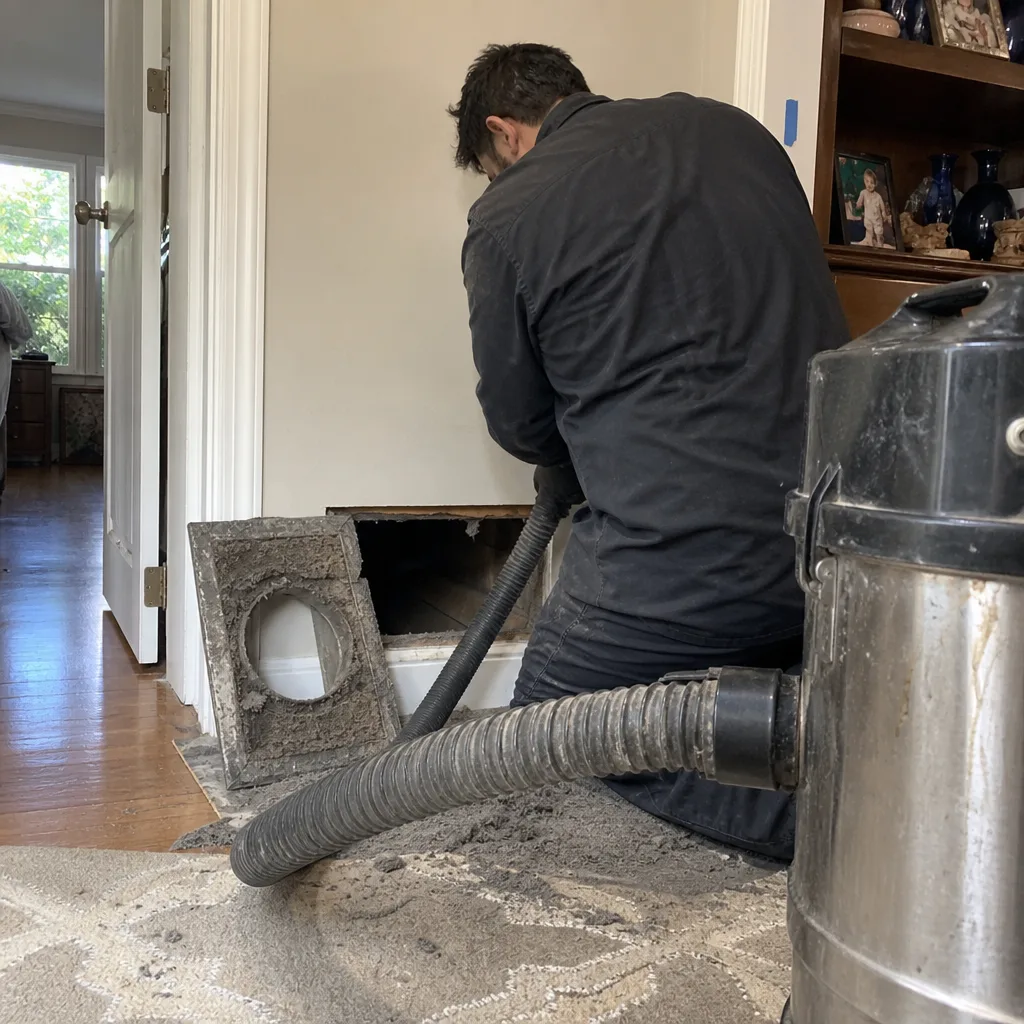 Before
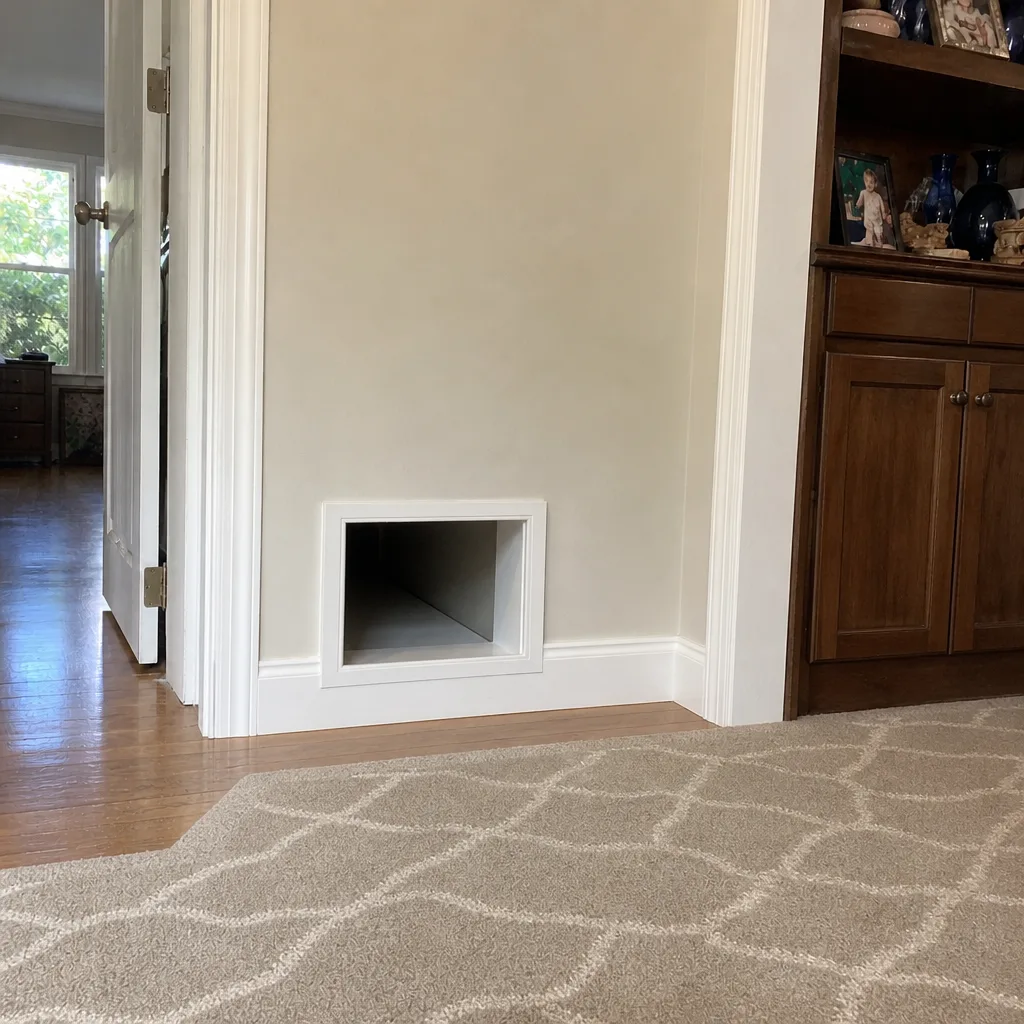 After
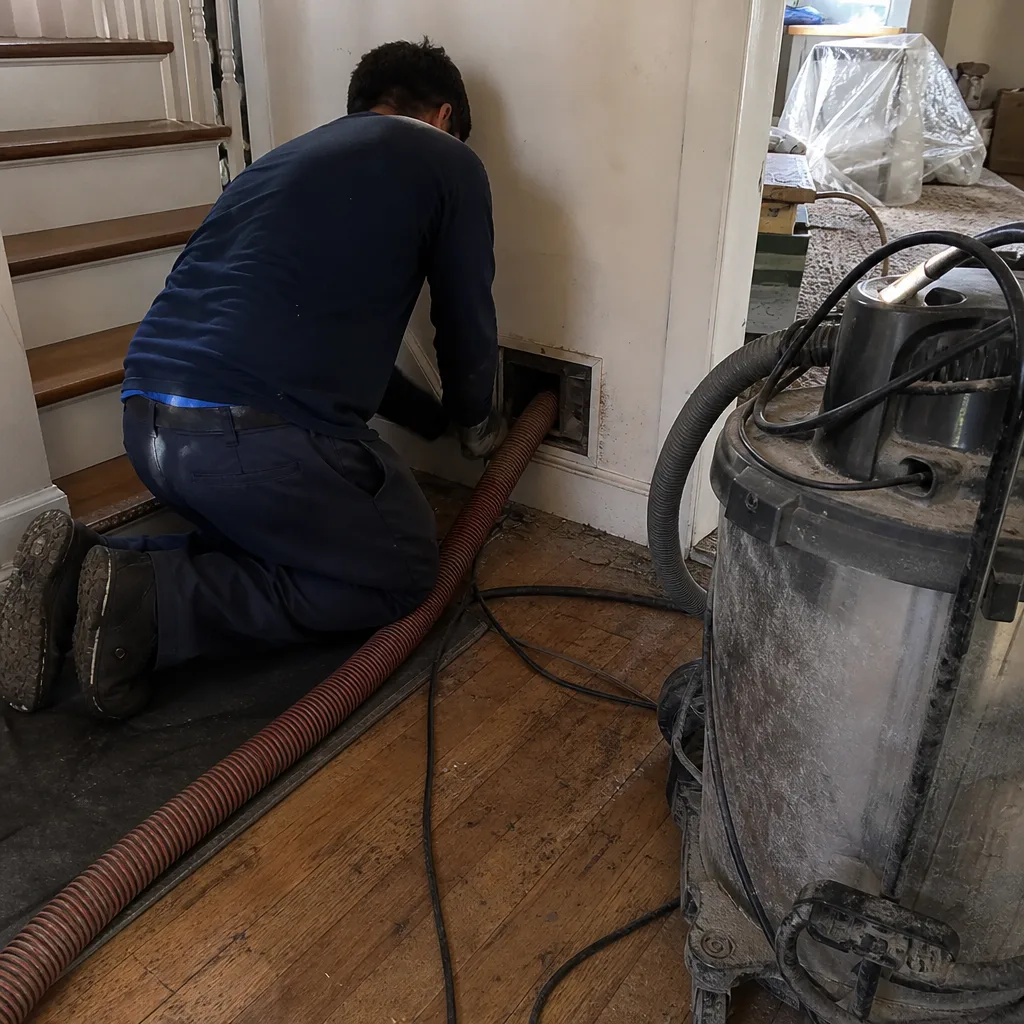 Before
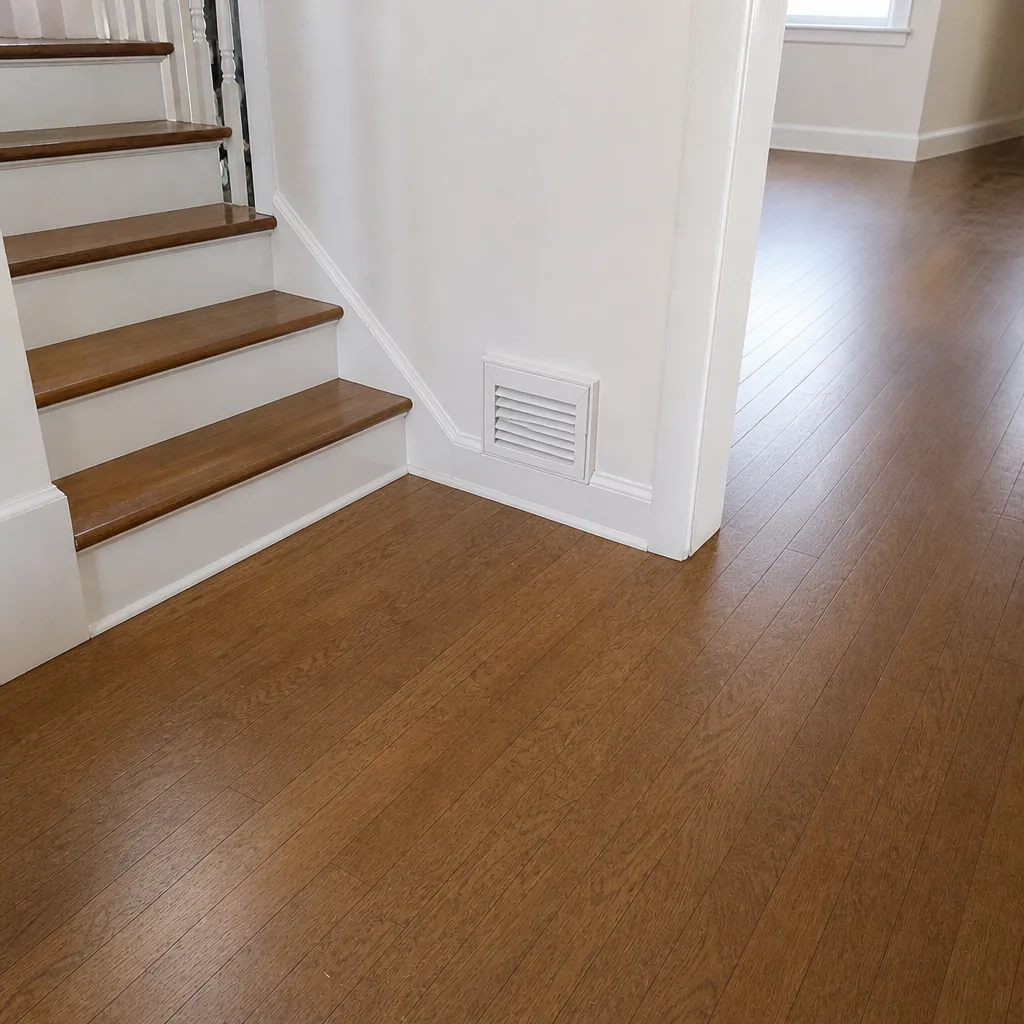 After
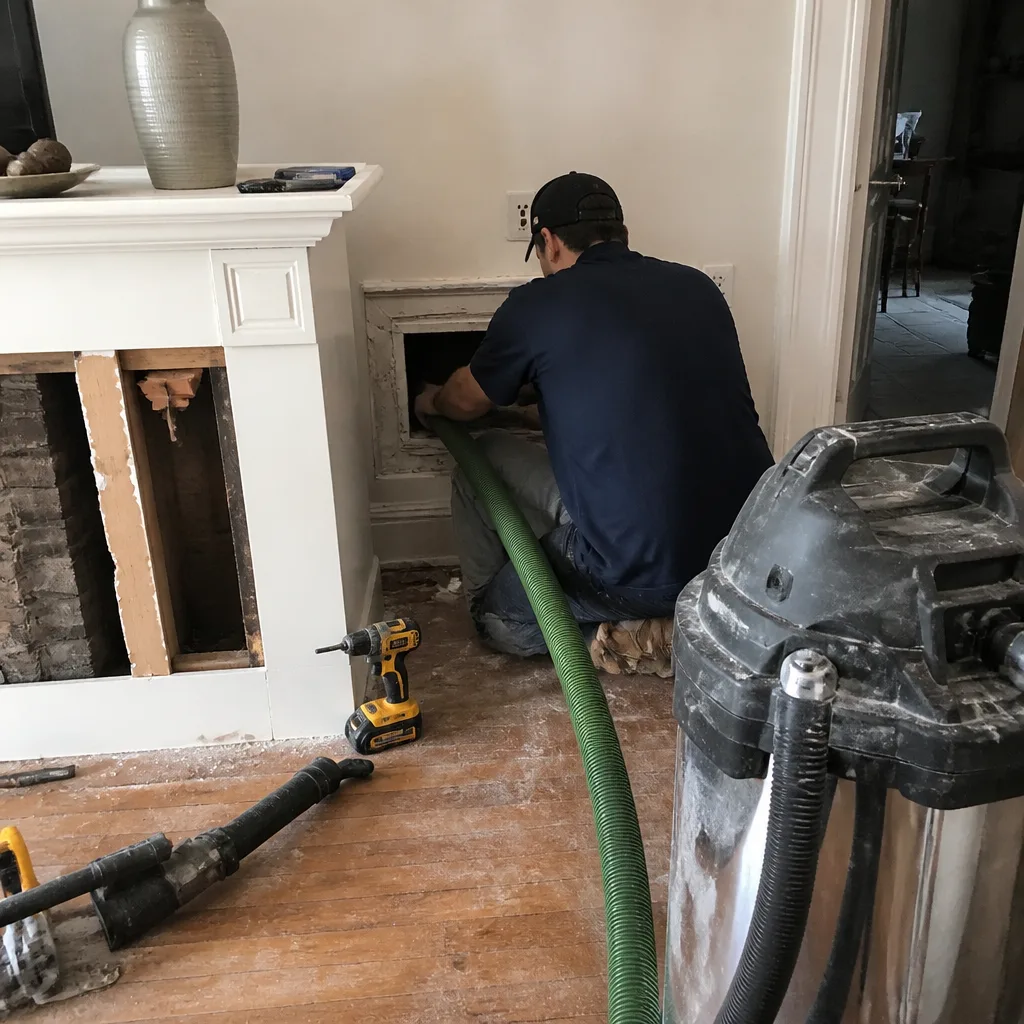 Before
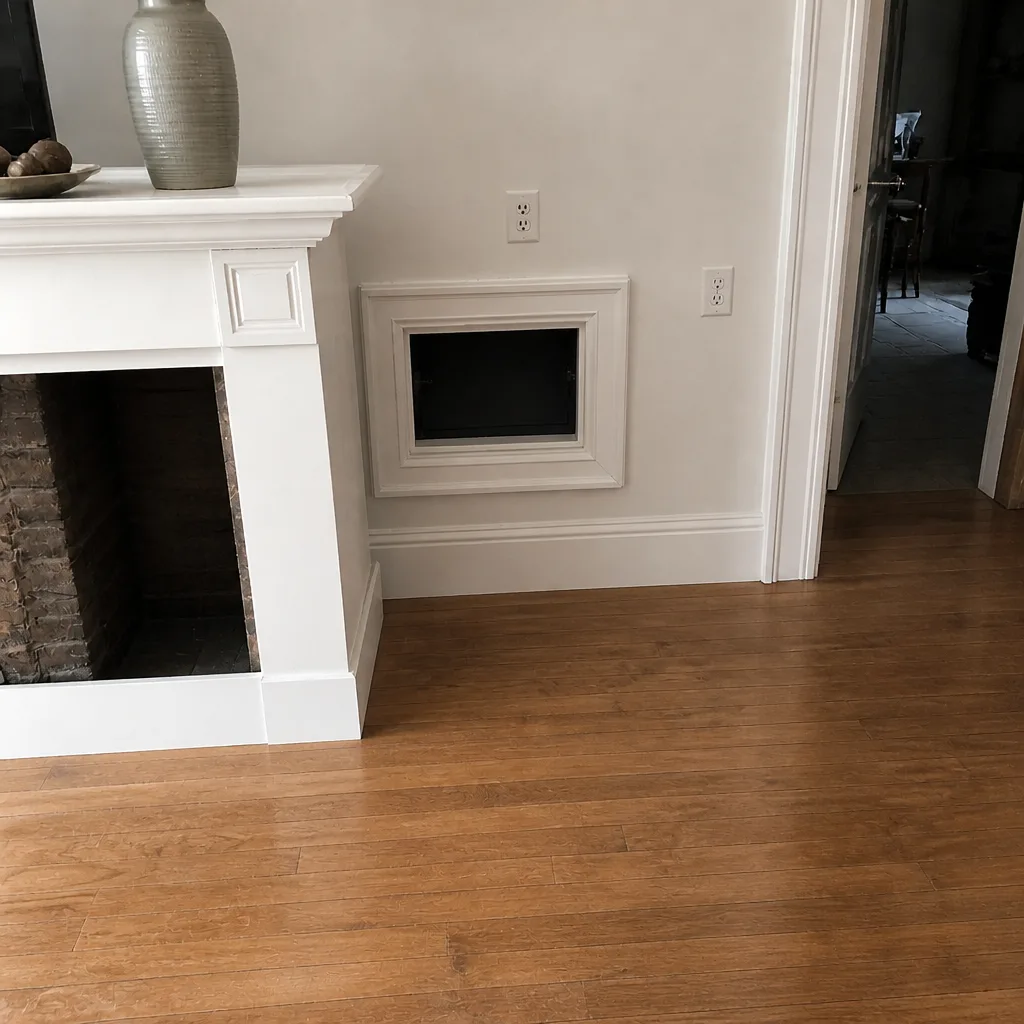 After
When to Call a Professional
A few situations warrant calling a professional rather than continuing to work the owner checklist yourself. Visible mold growth inside the duct system: microbial contamination needs treatment, not just mechanical cleaning, and the treatment has to be targeted at the actual growth. Rodent or insect infestation in the ducts: the ducts have to be cleaned and then possibly sanitized, and the entry point of the infestation needs to be sealed. A measurable efficiency drop with the same thermostat setting: this is often a leaking or blocked duct, and diagnosing it requires seeing inside the system. A post-renovation inspection: drywall dust is fine enough to lodge in every branch, and it needs professional extraction. And any time you’ve noticed a persistent musty odor from the returns that you can’t identify.
Chelsea Air Duct Cleaning offers free estimates in Chelsea. Call (866) 979-5520. We answer 24/7. Fast dispatch from 7am to 7pm, Sunday through Friday.
Frequently Asked Questions
There’s no fixed interval. Clean ducts when conditions warrant it: visible debris at the registers, particles in the airstream, a persistent musty odor, unexplained allergy flare-ups, or a measurable efficiency drop. If none of those are present, the ducts usually don’t need cleaning yet. A condition-based inspection tells you where your system actually stands, and a free estimate costs nothing. Call (866) 979-5520 for an exact quote and a look at the system.
Pricing is per job, set by a written estimate after the system has been assessed, because the cost depends on the number of branches, the condition of the ductwork, and whether repair or sealing is needed. A written estimate sets the final price, so you know what you’re agreeing to before any work starts. Call (866) 979-5520 for a free estimate. We’ll walk the system with you and price the actual job.
Cheap quotes usually reflect a smaller scope than the job requires: a quick pass through the visible branches without inspecting the plenum, the return trunk, or the branch connections, and often without proper airborne-debris control during the work. Professional-grade equipment like Rotobrush and Nikro is purpose-built for this job, and Abatement Technologies filtration controls what’s in the air while the work is happening. Those tools cost real money, and a quote that doesn’t reflect them usually reflects a shallower job. Ask for before-and-after photos of the system at the time of the estimate. Call (866) 979-5520 to compare a written per-job estimate.
Before-and-after photos of the same duct sections, plus a written record of what was cleaned (ducts, vents, HVAC, or all three) and any repair or sealing performed. Photos are the most reliable answer, because they show the same physical location before and after the work. A verbal report alone doesn’t give you that. Call (866) 979-5520 to schedule an assessment. We’ll show you the condition of the system and document what’s cleaned.
Yes. Converted buildings often have retrofitted duct runs through ceiling chases and closet voids, and those duct joints are often unsealed or leaked over the decades. That means the return side is pulling air from the wall cavity, the filter loads faster than normal, and the ducts collect debris for a reason that cleaning alone won’t fix. Sealing the joints is the repair that actually addresses it. Call (866) 979-5520 to have a converted system assessed. We’ll tell you whether the ducts need cleaning, sealing, or both.
More frequently than most homeowners think, and it’s one repair worth the calendar-based advice. A clogged dryer vent is a leading cause of residential fires in the US. Check the exterior flap and the transition hose monthly, and have the full run cleaned before the drying time noticeably increases or you notice unusual heat from the dryer body. Stacked washer-dryer closets in Chelsea layouts collect lint at the elbows, which makes professional cleaning more important than in a simpler run. Call (866) 979-5520 to schedule dryer vent cleaning. It’s a separate job from the HVAC ductwork and just as important.
The Bottom Line
The duct maintenance checklist that actually works is not a schedule. It’s a set of things to look at, smell, and measure, plus a few minutes of owner tasks each month, a set of seasonal checks at each changeover, and a service record you keep. Monthly, check the filter, the returns, and the register fins. Seasonally, look for condensation near the HVAC unit and confirm every register is open and unobstructed. Annually, or after a renovation, run through the condition-based inspection list. Track the filter loading rate, keep the log, and clean when conditions actually point to a problem. That approach keeps Chelsea homes comfortable longer between cleanings and makes the cleanings that do happen count. Chelsea Air Duct Cleaning handles the whole system when you’re ready: ducts, vents, HVAC, repair, sealing, and air quality. Call (866) 979-5520 for a free estimate. We answer 24/7. Fast dispatch from 7am to 7pm, Sunday through Friday.
Written by the team at Chelsea Air Duct Cleaning.