
Last updated November 22, 2026
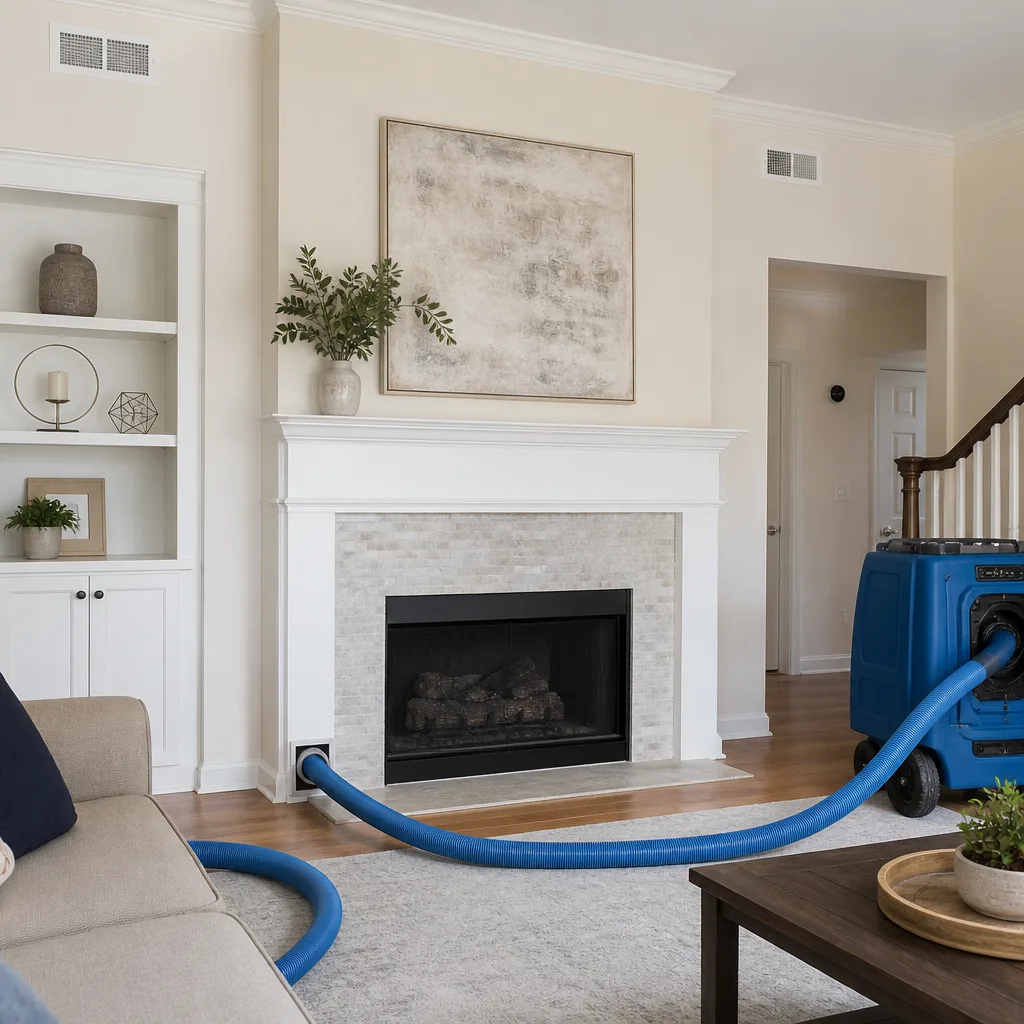 Whole-home duct cleaning
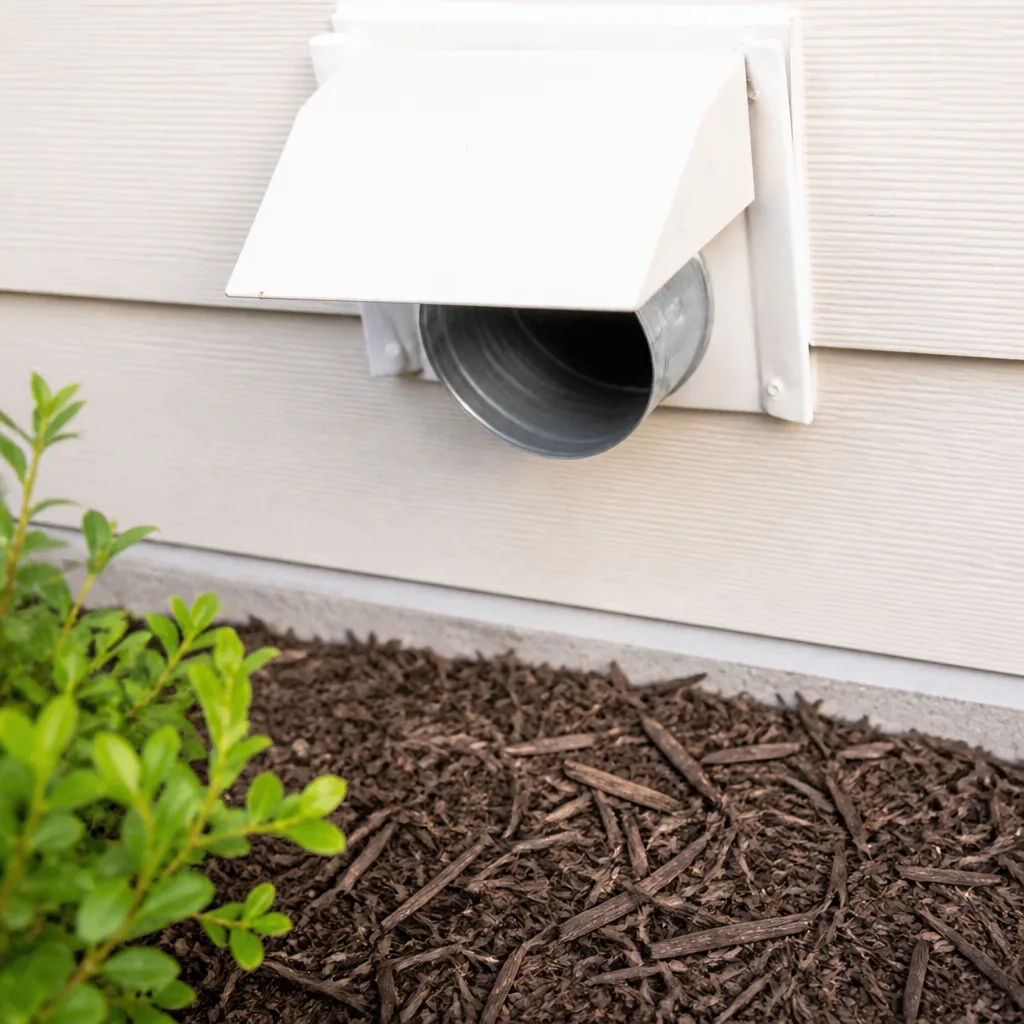 Dryer vent cleaning
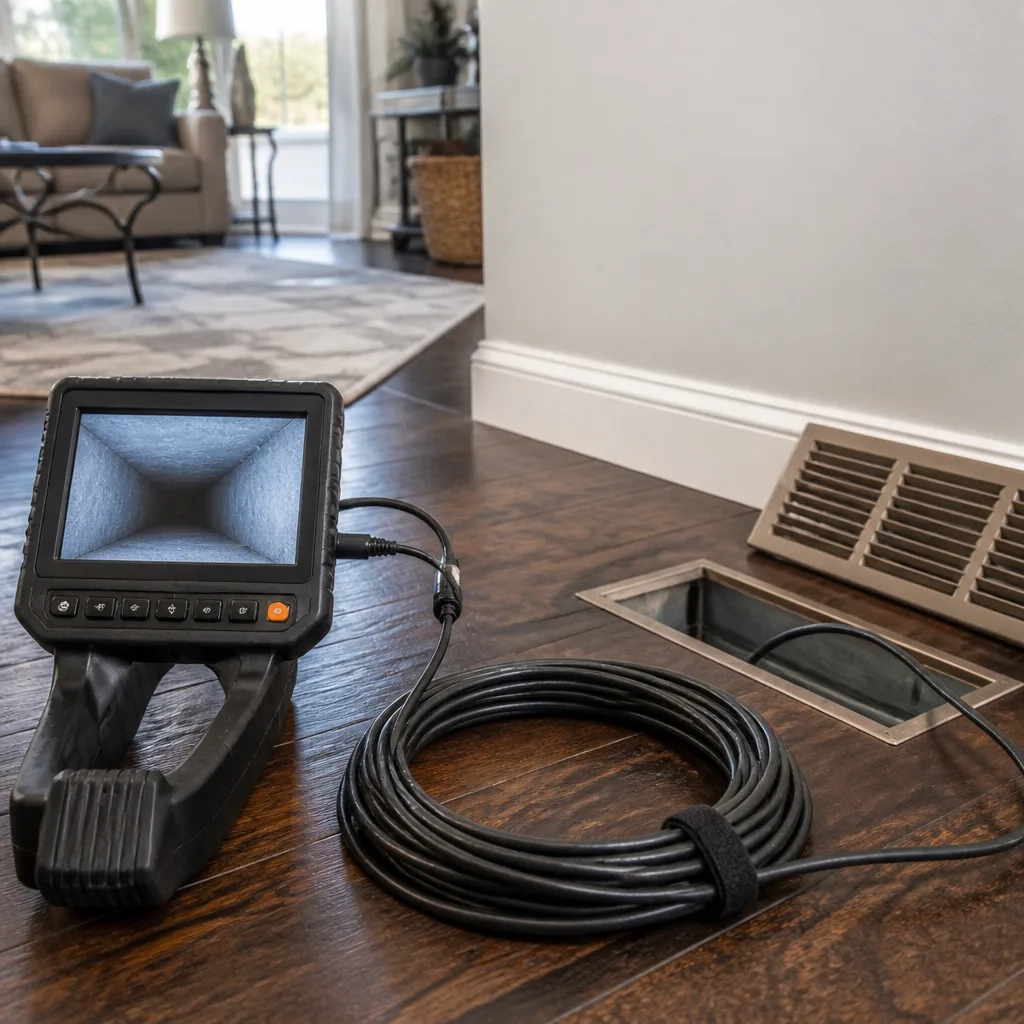 Camera inspection
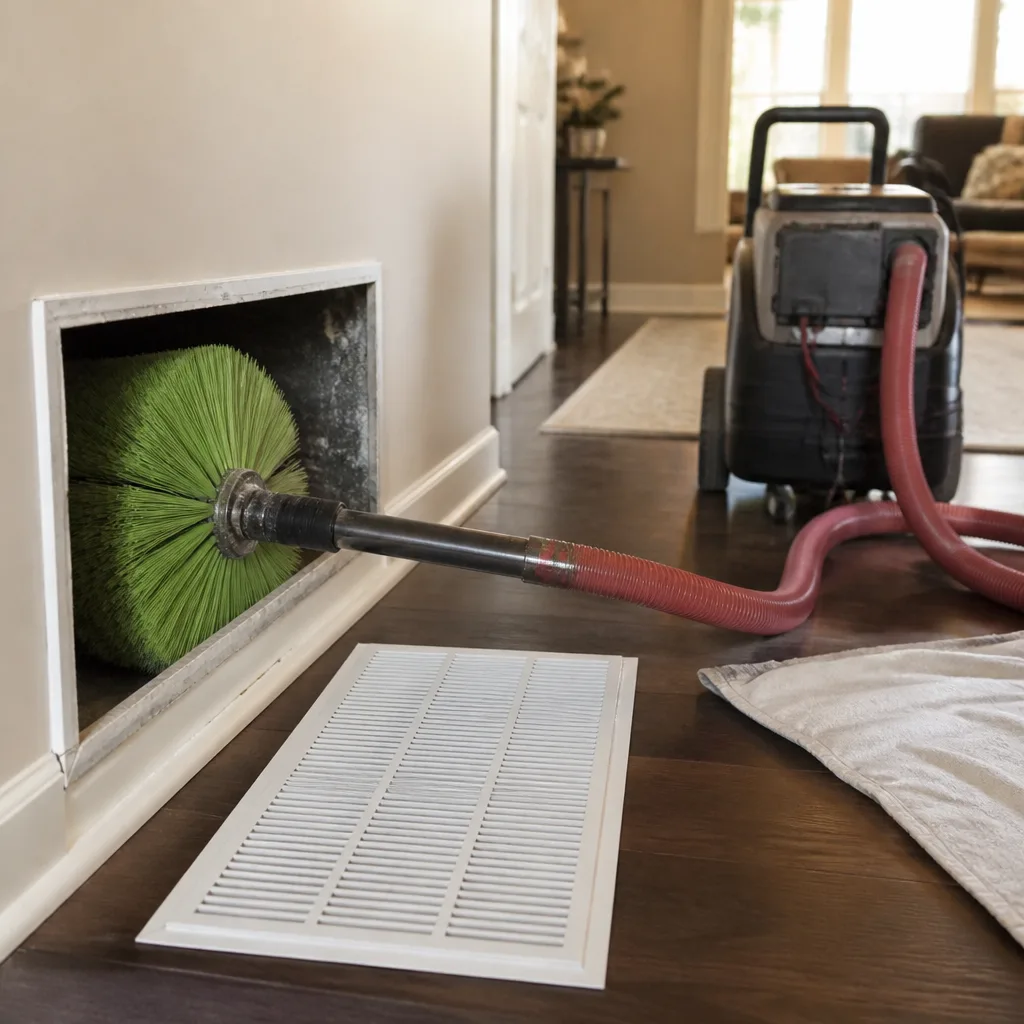 Sanitizing & deodorizing
Whole-system duct and dryer vent check with before-and-after photos - you see exactly what came out of your vents
That "$99 whole-house special" is a bait ad - the real number appears once they are in your hallway, or the "clean" is a shop-vac at the register. We photograph the inside of your ducts before and after instead.
Seasonal Air Duct Cleaning Care for Chelsea: Year-Round Homeowner’s Guide
Most people assume duct cleaning is a spring thing, or a once-a-year chore they’ll get around to eventually. Here’s the counterintuitive part: in Chelsea, the most contaminated moment of the year is the one you can’t see coming. It’s the first cold day you turn the heat on, when everything that settled, baked, and clung to your duct walls over a summer of dormancy gets pushed straight into your living space. Seasonal care isn’t about cleaning more often for the sake of it. It’s about cleaning at the right moments, before the season itself turns your ducts into a delivery system for last season’s debris. This guide breaks down what each season does to the ductwork above a Chelsea apartment, what to prioritize, and how to sequence professional work so it compounds instead of conflicting.
Quick Answer
Seasonal duct cleaning in Chelsea means matching the work to what the season puts into your system, not running the same cleaning twelve months a year. In short: get ahead of the fall heat-on with a cleaning before the first cold snap, manage filters and humidity through winter and spring, and address AC coil and return-duct loading as summer pushes street particulate inside. Chelsea’s dense, compressed streets mean every season loads the duct system differently, and a single annual cleaning misses most of it.
Styles & brands we work with
- Whole-home duct cleaning
- Dryer vent cleaning
- Camera inspection
- Sanitizing & deodorizing
Table of Contents
- Why Chelsea Ducts Load Differently Through the Year
- Fall: The First Heat-On Is a Contamination Event
- Winter: Dry Forced Air and Filter Management in a Sealed Apartment
- Spring: Humidity Rebound and Microbial Risk
- Summer: AC Coil Contamination and Street Particulate
- How to Sequence Cleaning Around HVAC Service Visits
- The Chelsea Seasonal Cleaning Calendar
- Common Mistakes to Avoid
- When to Call a Professional
- Frequently Asked Questions
Why Chelsea Ducts Load Differently Through the Year
Ductwork in a dense urban neighborhood like Chelsea lives a different life than ductwork in a suburb with yards and setback. Your building sits close to the street. Windows open onto blocks that carry constant traffic and construction. The air your return duct pulls in is that air, filtered to whatever degree your filter is capable of filtering it. Over the course of a year, the particulate load on your system isn’t steady – it rises and falls with traffic patterns, heating season, cooling season, and the humidity cycles between them.
There’s also the architecture of the neighborhood. Chelsea’s mix of prewar walk-ups, converted lofts, and newer infill buildings means duct systems vary enormously from one address to the next. Some are short-run systems with one or two returns. Others are longer and more complicated, with branch runs that dead-end and collect debris that never quite makes it to a register. Older systems may have joints and seams that were never sealed well, and that’s where seasonal loading does the most damage – air leaks out, dust leaks in, and the cycle repeats every season.
In our experience, the single biggest difference between Chelsea and leafier places is this: there’s no natural reset. `In the fall, debris that would blow away in an open yard has nowhere to go in a tightly built neighborhood. It gets pulled inside. That’s why air duct cleaning in Chelsea needs to be timed to the season, run with professional-grade equipment that can actually reach the full run, and paired with sealing where the system is losing air. A one-size-fits-all yearly cleaning doesn’t account for a load that changes four times over twelve months.
Fall: The First Heat-On Is a Contamination Event
Here’s the part most homeowners don’t think about. During the warm months, your heating system sits dormant. Whatever particulate settled into the ducts during summer just waits there – on the duct walls, in the return plenum, along the branch runs. The first time you turn the heat on in October or November, the furnace begins moving air through the system and everything that settled over the summer gets pushed out through the registers into the rooms you live in. That’s not a normal dust event. It’s a concentrated release of a whole summer’s accumulation in the first hour or two of heating operation.
The fix is sequencing. Before you turn the heat on for the first time, get the system cleaned. That way the first hot-air event of the season is a clean one.
- Late September to early October: schedule a full duct cleaning, ideally before your building’s heating is switched on or your own system is fired up for the first time.
- During cleaning: have the technician inspect for loose joints, gaps at register boots, and disconnected branch runs. Debris re-enters through these, and no amount of cleaning fixes an unsealed system.
- After cleaning: have any identified gaps or disconnects repaired and sealed before the heating season begins in earnest.
- Before first heat-on: replace the filter with a clean one rated for the season. A filter that had all summer to load up is not going to protect you when the heating load begins.
In Chelsea, this is especially worth doing because many apartments share plenum space or duct runs with neighbors. If one unit’s system is clean and another’s isn’t, you can still sense it. When we run Abatement Technologies air filtration during service, it’s because controlling what goes airborne during cleaning matters just as much as what comes out of the ducts.
Winter: Dry Forced Air and Filter Management in a Sealed Apartment
Winter changes the physics of the problem. The heat runs constantly, which means the system is moving a steady stream of air through the ducts every hour of the day. Forced-air heat is dry heat, and dry air keeps fine particulate suspended longer – it doesn’t settle the way it does in humid air. That means smaller particles that would drop out of the air in summer stay aloft in winter and reach your lungs. This is why duct cleanliness matters most in the coldest weeks, not the mildest ones.
At the same time, most Chelsea apartments are sealed up in winter. Windows stay closed. Doors stay shut. In a sealed environment, the air inside is what you have. The system’s filter becomes the single most important maintenance item in the home.
What filter management looks like through winter:
- Check the filter monthly. In high-traffic months with the heat running steadily, filters load faster than most people expect. Held up to a light, a filter should show light through it; if it’s opaque with dust, it’s done.
- Match the filter to the system. A thicker or higher-MERV filter isn’t automatically better – if the system wasn’t designed for it, it can choke airflow. Match the rating to what the system can handle, and replace at the interval the system demands.
- Don’t skip the return grill. The return duct carries the most air of any part of the system. It also collects the most debris. Poor airflow in winter is often a return-duct problem, not a furnace problem.
- Note any new grittiness or dust near registers. If dust is building up visibly on register faces through the winter, the ducts are likely still loaded, and cleaning was missed in the fall.
Filter discipline is a homeowner task, but if the system is moving less air than it should – or if you’re seeing dust accumulate faster than a filter change should allow – that’s a reason to have the ducts and the return inspected professionally. We handle HVAC cleaning alongside duct work because the two systems share the load, and one being neglected wears out the other.
Spring: Humidity Rebound and Microbial Risk
Spring is when the duct system’s own history catches up with it. All winter, the system ran a stream of dry heated air. As temperatures moderate and humidity climbs outside, the ducts themselves can become a place where condensation forms – especially on cooler sections, in basement-adjacent runs, and in any duct surface that stays below the dew point of the surrounding air. That moisture doesn’t need to be visible to matter. It’s enough to feed microbial growth on dust that’s already sitting on the duct walls.
Microbial colonization in ducts is a slow, quiet process. You usually don’t smell it, and you rarely see it. What you notice is a musty edge to the air when the system first comes on after a humid week, or allergy symptoms that spike in April and May, or a family member who seems more sensitive indoors than out. None of those are proof, but together they justify a look.
Spring priorities for a Chelsea duct system:
- Inspect for moisture. Any duct section with a history of condensation, or any run that passes through unconditioned space, is a candidate. Cleaning alone isn’t enough here – if moisture is feeding growth, the source needs to be addressed.
- Clean before sanitizing. Sanitizing products from brands like Honeywell and Aprilaire work on a clean surface. Applying them over a load of debris doesn’t reach the substrate where growth starts.
- Use Guardsman-grade protective products where the process calls for them, as part of a sanitizing service rather than a substitute for mechanical cleaning.
- Address odor at the source. A musty smell that returns after cleaning means the growth is deeper than the surface, or moisture is recurring. That’s a repair-and-seal question, not just a cleaning one.
If spring is when you notice the smell, the answer is a full-system cleaning and sanitizing service with a proper inspection of the joints and seams where moisture tends to collect. Rotobrush and Nikro equipment reach the full run; a shop vac doesn’t. The difference shows up in what’s coming off the duct walls and what’s still there.
Summer: AC Coil Contamination and Street Particulate
Summer in Chelsea means the windows are open as much as the AC is on – and that’s two loads at once. On the cooling side, the evaporator coil in the air handler sits wet through the whole season. It condenses moisture out of the air, and that moisture captures dust. A coil that collects dust through a summer gradually loses its ability to transfer heat, which means the system runs longer to reach the same temperature, which means more air moves through the ducts. Contamination compounds.
On the return side, summer means street-level particulate is being pulled in through open windows and every unsealed gap in the building envelope. In a compressed urban environment like Chelsea, that particulate includes not just household dust but the fine material that travels from the street, from construction activity, and from neighboring buildings. Every hour the system runs, the return duct carries that load inward.
What summer cleaning should cover:
- AC coil cleaning as part of the service, not as a separate line item added six weeks later. A clean coil and clean ductwork work together – one without the other is half the job.
- The return duct, front to back. This is where summer loads hardest and where visible register dust first appears.
- Filter replacement before and after, so the system is protected through the season’s peak load and doesn’t carry a loaded filter into fall.
- Dryer vent cleaning as a paired task if you’ve been running the dryer more heavily through summer. We offer dryer vent cleaning because lint accumulation is a fire risk, and it’s easy to forget while focusing on the HVAC side.
A summer cleaning sets up the fall cleaning. If the return duct is cleaned in July and the filter is managed through August, the fall heat-on event is a fraction of what it would be otherwise. Skipping summer cleaning doesn’t save anything – it just means the fall load is heavier.
How to Sequence Cleaning Around HVAC Service Visits
Here’s a scenario people rarely get right: you’re having your HVAC system serviced in the fall. The HVAC technician comes, does their work, and three weeks later you have the ducts cleaned. By that point, the technician’s visit has kicked up debris that’s now circulating, and the ducts are dirty again by the time the cleaning happens. The two contractors’ work either compounds or cancels, and the order determines which.
The right sequence, in our experience:
- Duct cleaning first, so the system is clean before the HVAC technician works on it. Cleaning before servicing keeps debris out of the technician’s work area and ensures any inspection of the coil, blower, and plenum happens on a clean surface.
- HVAC service second, with the technician working on a clean system. If the technician identifies a coil issue, a blower problem, or a leak in the air handler, you’ll know it was found on a clean system, not one where contamination obscured the problem.
- Sealing and repair as the bridge between the two. If the ducts have gaps or disconnected runs, seal them between the cleaning and the HVAC service. A technician working on a system with leaky ducts can’t optimize it – the air loss is downstream of their work.
- Filter replacement at the end of the sequence, so the system goes forward protected.
We’ve seen enough Chelsea apartments where the sequence was reversed to know it matters. Ducts cleaned after HVAC work means dust that was just stirred up; ducts cleaned before means a clean baseline the technician can actually work from. Either way, we can coordinate around your HVAC service – our Chelsea Air Duct Cleaning team handles the full system, so you’re not coordinating three separate contractors.
The Chelsea Seasonal Cleaning Calendar
If you want the year reduced to a working schedule, this is how we’d lay it out for a typical Chelsea home or apartment:
- Late August to early October: full duct cleaning, sealing of identified gaps, and filter replacement. Target: complete before the first heat-on.
- November through February: filter checks monthly, register dust checks, airflow monitoring. Professional cleaning only if the fall cleaning was deferred or a problem is detected.
- March through May: moisture inspection, and if the smell or allergy pattern appears, a full cleaning with sanitizing. Address condensation sources before sanitizing.
- June through August: AC coil cleaning, return duct cleaning, filter replacement, and dryer vent cleaning if the dryer sees heavy summer use.
If a year gets skipped, or if the fall cleaning gets pushed back and the heating season starts before it’s done, the right move is to clean as soon as possible and then resume the sequence from where the season is. A missed fall is recoverable, but the earlier in the season the system is cleaned, the less a loaded duct system has already released into the rooms.
Common Mistakes to Avoid
- Cleaning once a year and calling it done. A single annual cleaning misses the season-specific contamination that actually matters – the fall heat-on, the summer return load, and the spring moisture risk happen at different times and need different timing. One cleaning doesn’t cover all three.
- Ignoring the return duct. Homeowners often focus on the supply registers they can see in each room, but the return duct carries more air and collects more debris. Dust buildup in the return is a leading reason a system feels like it’s not working after cleaning.
- Sanitizing over debris. Applying Honeywell or Aprilaire sanitizing products to a dusty duct surface isn’t going to hold back growth – the products work on clean substrate. Cleaning comes first, sanitizing comes second, in that order.
- Skipping sealing and repair. Cleaning a leaky system without sealing the leaks means the clean setup is short-lived. Air loss through a gap draws particulate back in. In a tight Chelsea building, that’s a real cost.
- Blaming the HVAC system when the ducts are the problem. Less airflow, higher energy use, and uneven room temperatures often trace to the ducts, not the equipment. A clean, sealed duct system lets the HVAC equipment do the job it was installed to do.
- Copying a suburban cleaning schedule. Chelsea’s density, street particulate, and compressed building stock don’t match a suburban cleaning cadence. The schedule should follow the actual load in Chelsea, not a generic one-size plan.
- Letting the dryer vent slide. Dryer vent lint buildup is a leading cause of residential fires, and it’s easy to deprioritize because it isn’t in the ductwork you mostly see. Address it as part of the summer cycle, not as a someday item.
When to Call a Professional
Some duct care is a homeowner task – filter changes, register dust checks, a monthly look at airflow. Others genuinely need a professional. Call us when you notice visible dust returning to registers within days of a filter change, when the heating or cooling system seems to be moving less air than it used to, or when you can smell a musty edge when the system first comes on. If your building has had construction nearby, or if you’ve recently moved into a Chelsea apartment with an unknown duct history, a full-system inspection and cleaning is the right first step. If your ducts are older and you’ve noticed a pressure or airflow issue you can’t trace, sealing may be the underlying fix rather than more cleaning.
Chelsea Air Duct Cleaning offers free estimates in Chelsea – call (866) 979-5520. We use Rotobrush and Nikro systems and can inspect, clean, repair, seal, and sanitize the full duct network.
Frequently Asked Questions
Most Chelsea homes and apartments benefit from a cleaning timed to the fall heat-on, with additional seasonal cleaning for the return duct and AC coil through summer, and sanitizing where spring moisture affects the system. That’s closer to a seasonal cadence than an annual one. The exact schedule depends on your building, traffic exposure, and how well the system is sealed – call (866) 979-5520 for a free estimate and a schedule that fits your home.
The first heat-on pushes everything that settled into the ducts over summer out through the registers into the rooms. That’s why the first cold day is the moment the contamination becomes noticeable. Cleaning before the first heat-on is the way to make that first hot-air event a clean one – call (866) 979-5520 to book ahead of the season.
We don’t quote seasonal pricing – the price is set per job by the written estimate after we inspect the system. That said, cleaning in late August or early September, before the fall rush, means getting ahead of the season rather than reacting to it. Call (866) 979-5520 for a free estimate and we’ll quote the system directly.
Yes – we use Rotobrush and Nikro duct cleaning systems, which are the professional-grade tools used by certified HVAC contractors, not consumer vacuums. We also run Abatement Technologies air filtration during service to control what goes airborne while we work, and apply Guardsman-grade protective products where the sanitizing process calls for them. That equipment quality is why a cleaning from us reaches the full duct run.
Cleaning is mechanical – it removes the debris, dust, and settled particulate from the duct walls. Sanitizing is a treatment applied after cleaning to address microbial growth, odors, and allergens, using products from Honeywell and Aprilaire. They do different jobs. Cleaning first, sanitizing second, and not the other way around.
Yes. We clean, repair, seal, and sanitize the full system. If the inspection turns up loose joints, gaps at register boots, or disconnected branch runs, we address them as part of the service. That’s what keeps the clean system from loading up again in the next season – call (866) 979-5520 to have the whole system looked at.
The Bottom Line
Seasonal duct care in Chelsea comes down to matching the work to what each season loads into the system, not running the same annual cleaning on autopilot. Fall is about beating the first heat-on. Winter is about filters and airflow in a sealed apartment. Spring is about moisture and microbial risk. Summer is about the return duct and the AC coil. Sequence the cleaning around HVAC service so the two compound rather than cancel, and seal the system where it’s losing air so the clean setup holds. If you’re not sure where your system stands, start with an inspection. We’ll look at the full duct network and tell you what it actually needs.
Call (866) 979-5520 for a free estimate. We answer 24/7. Fast dispatch from 7am to 7pm, Sunday through Friday.
Written by the team at Chelsea Air Duct Cleaning.
See the difference
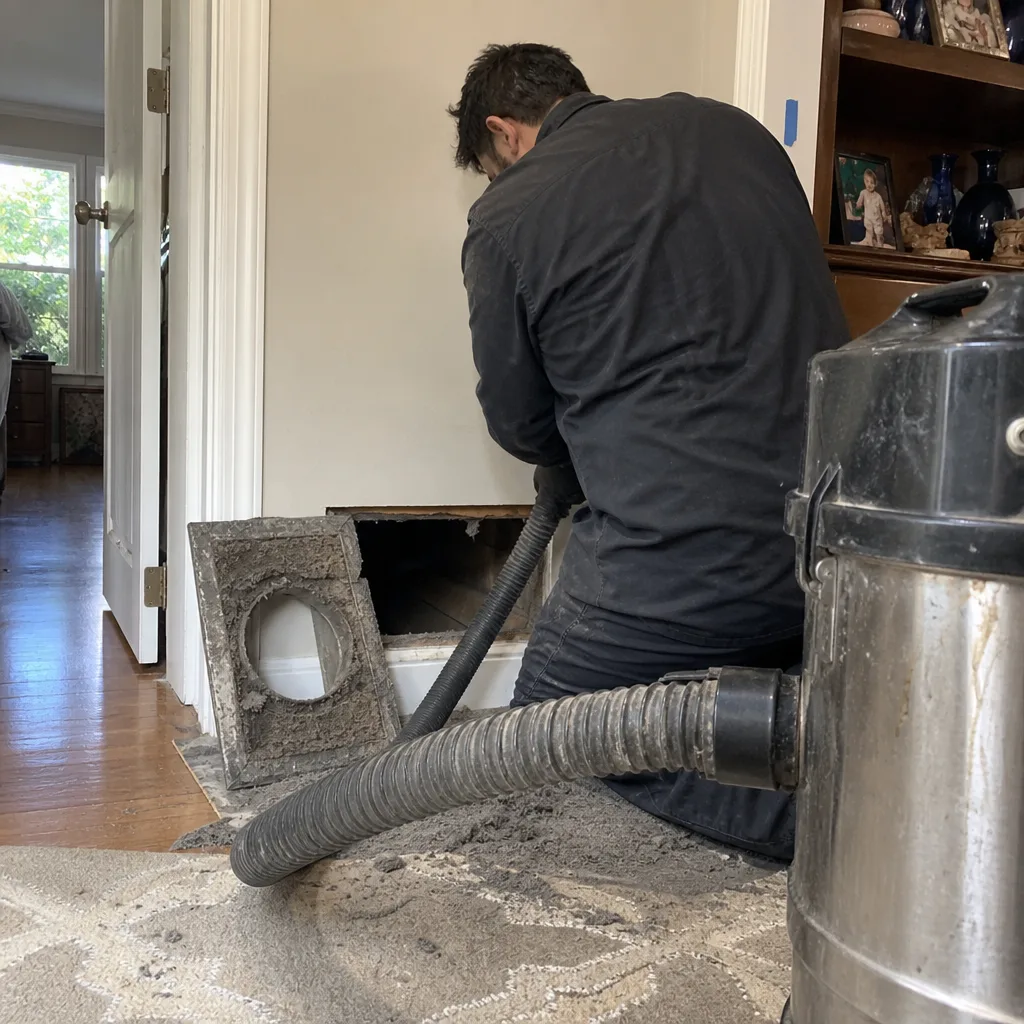 Before
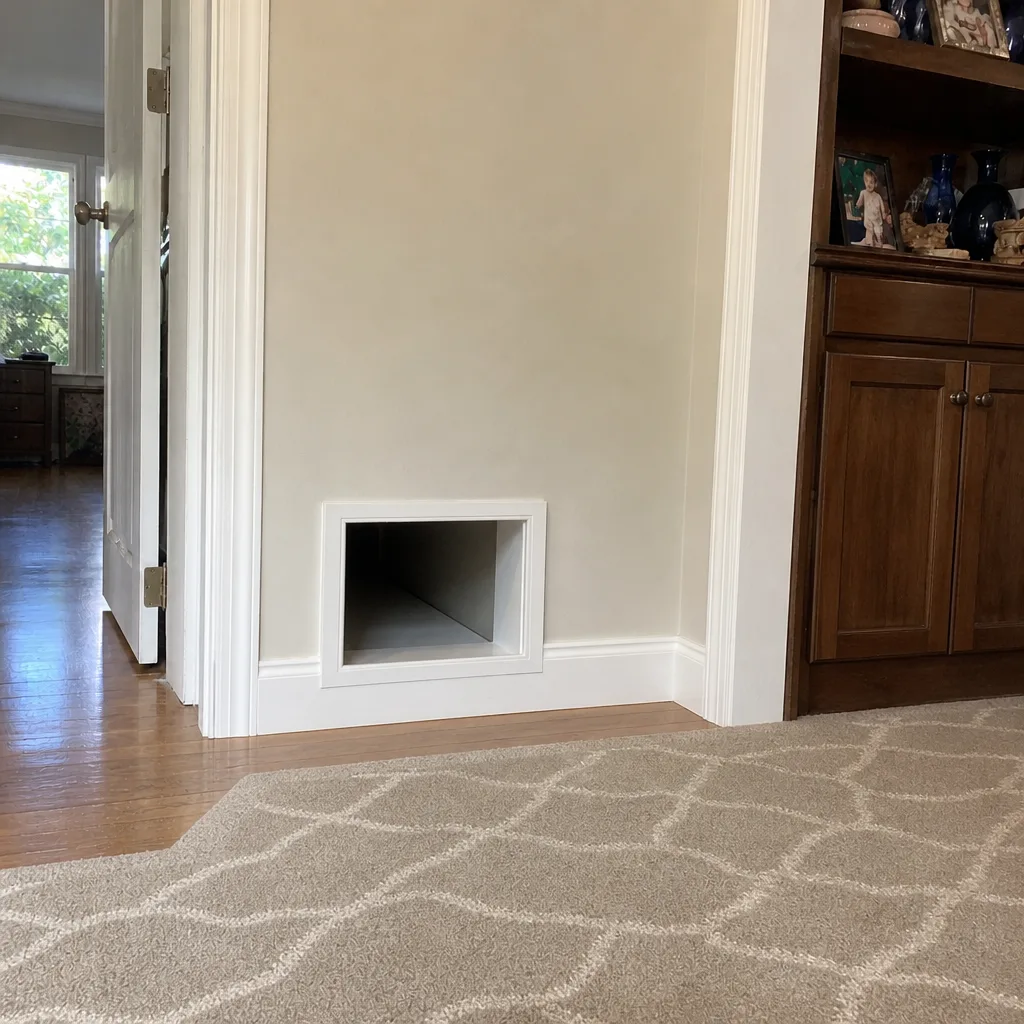 After
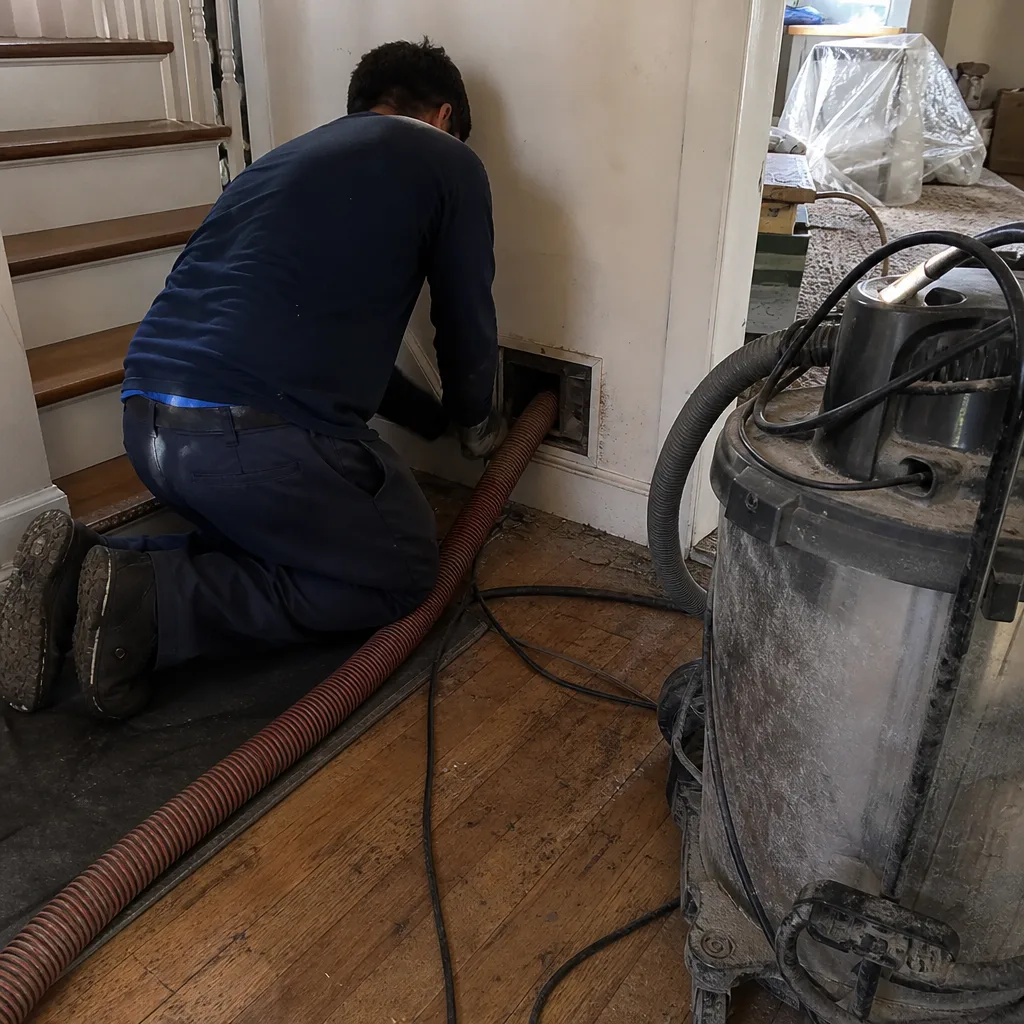 Before
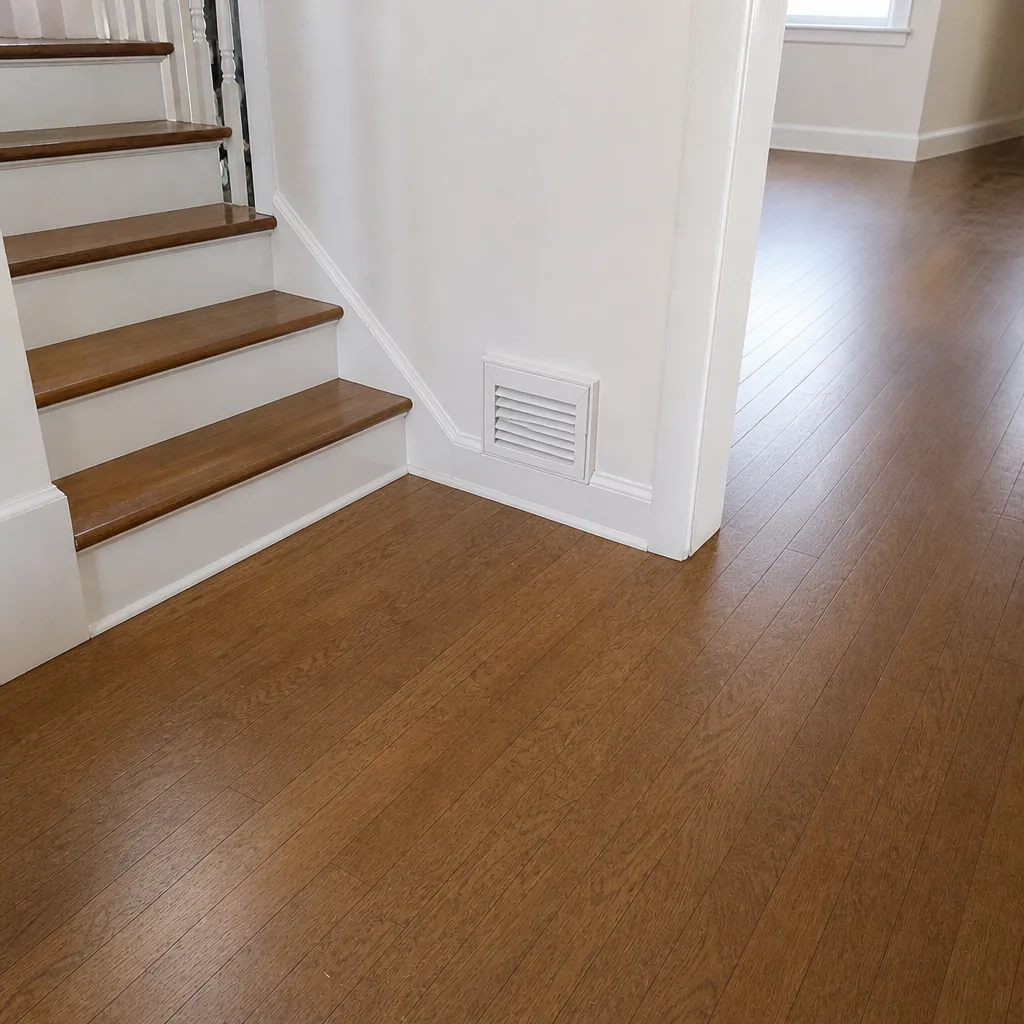 After
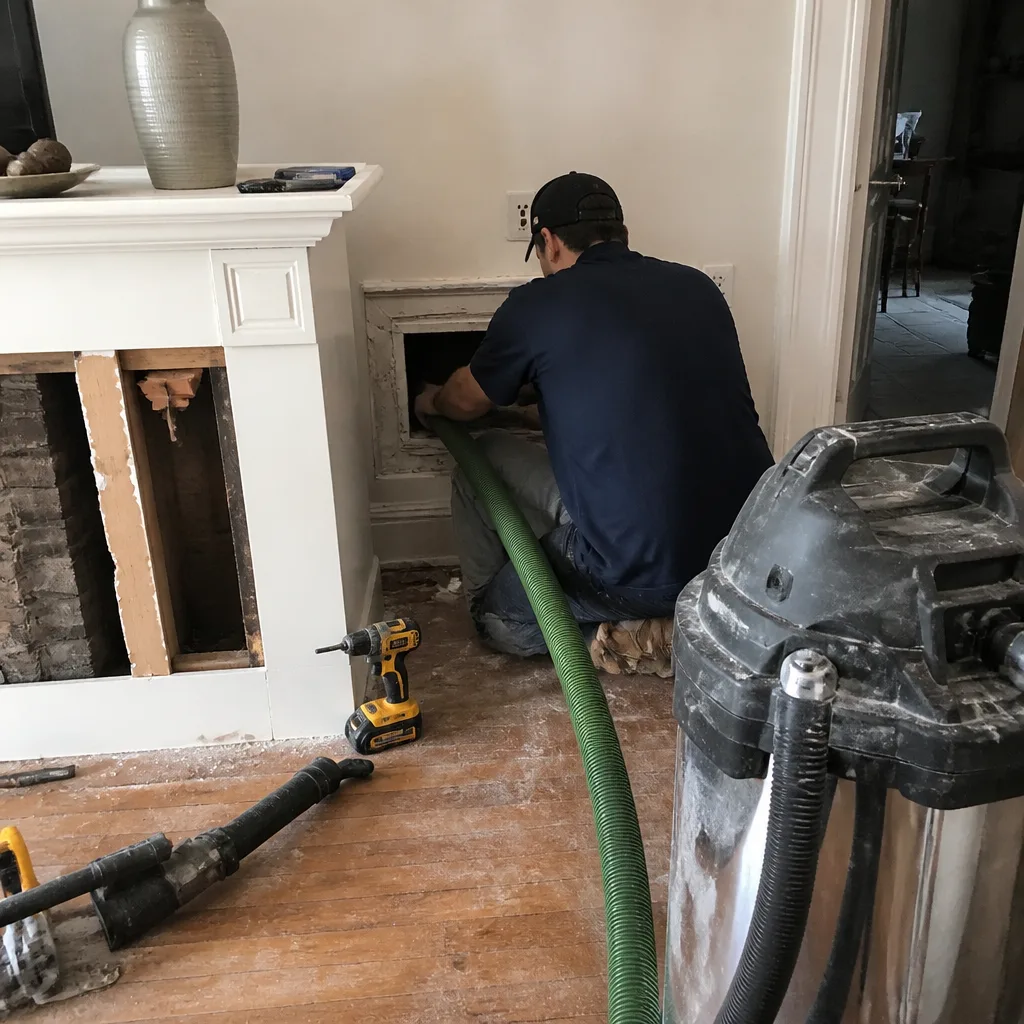 Before
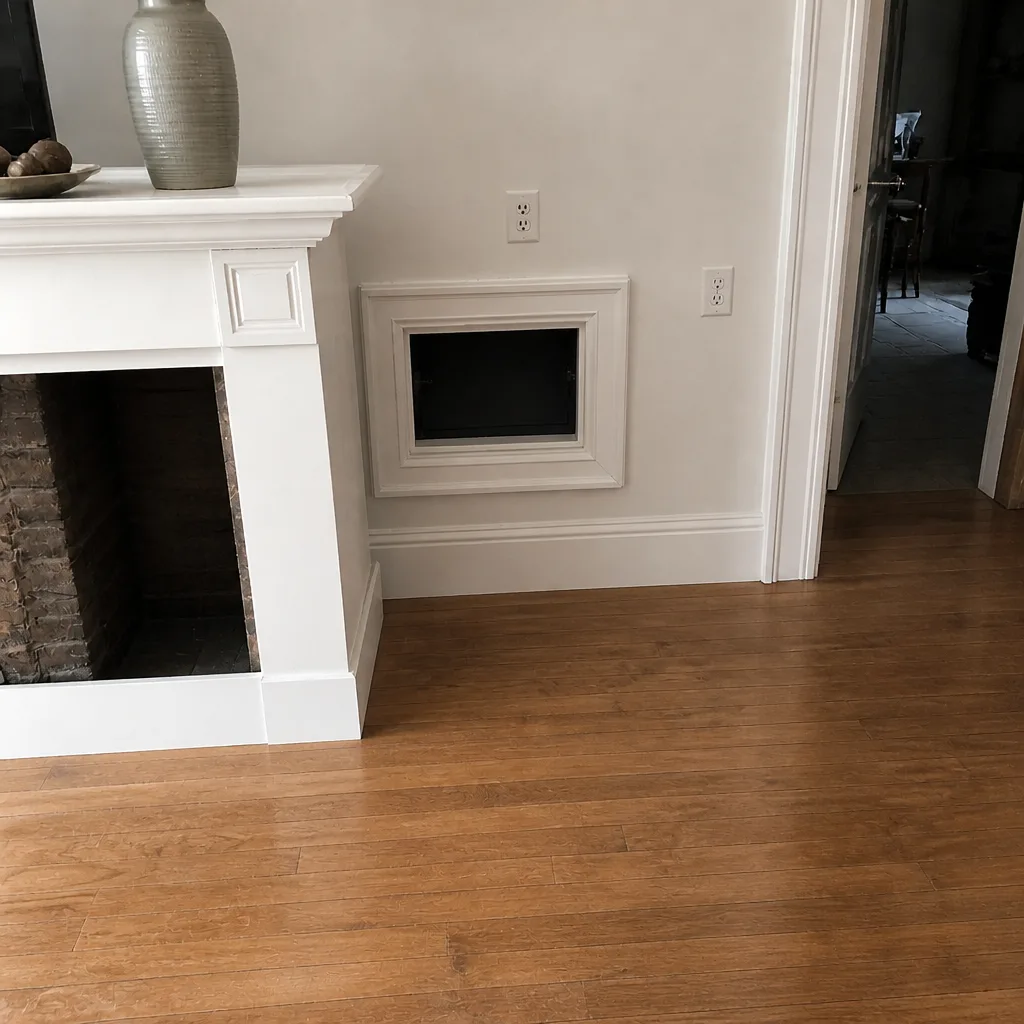 After