
Last updated November 22, 2026
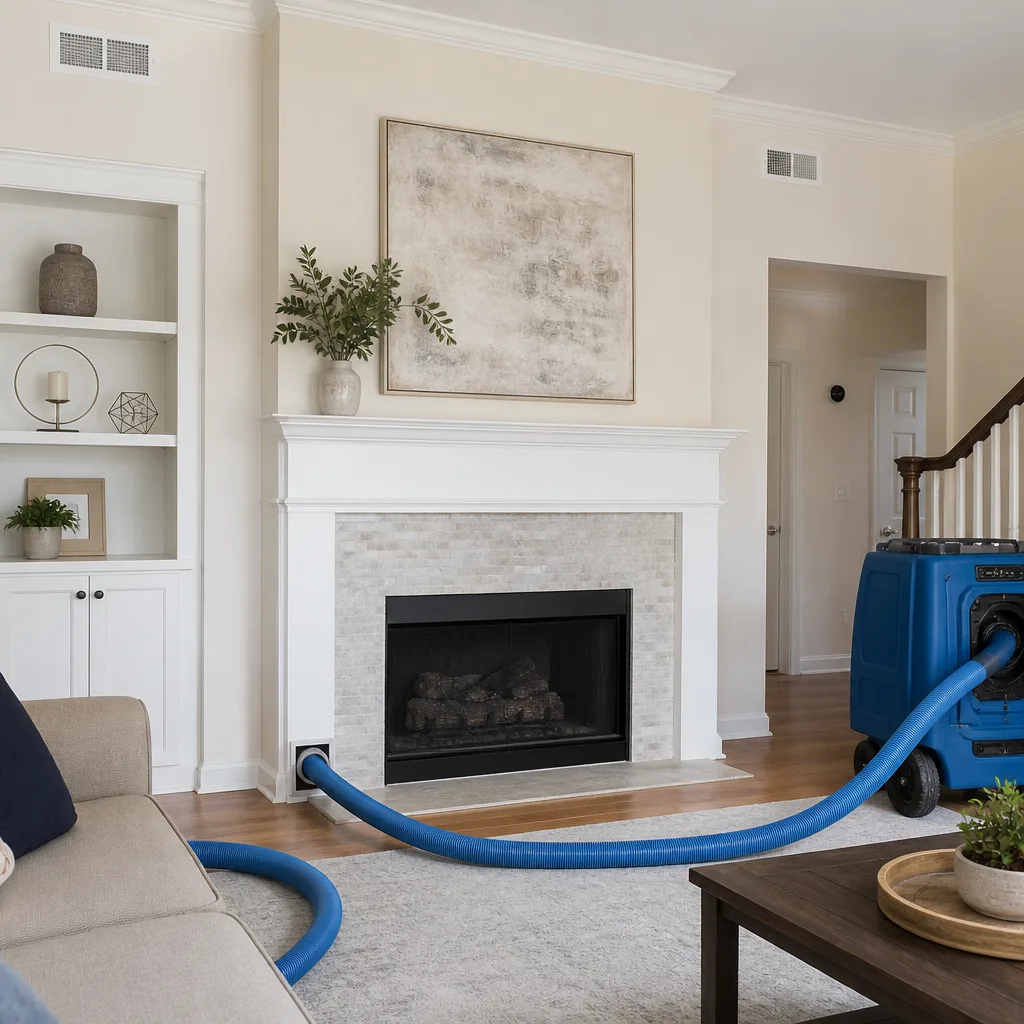 Whole-home duct cleaning
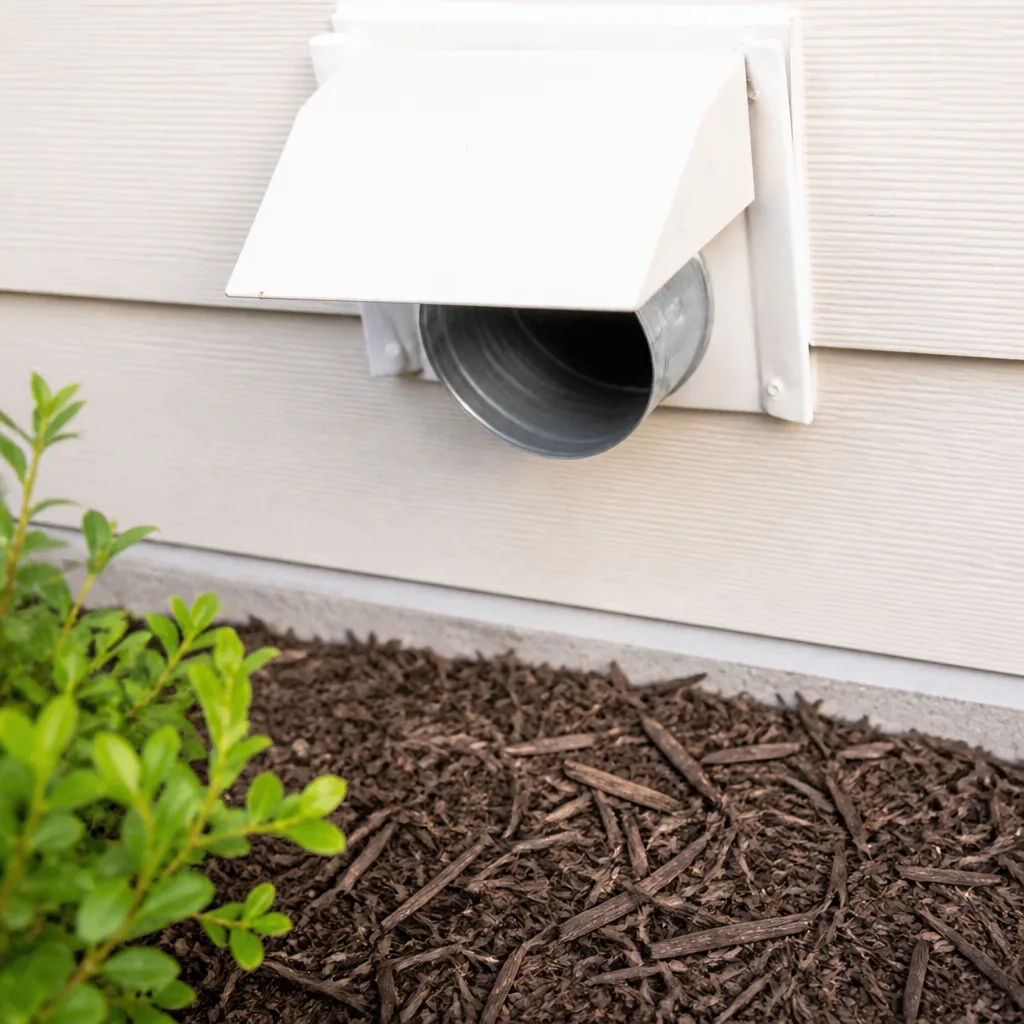 Dryer vent cleaning
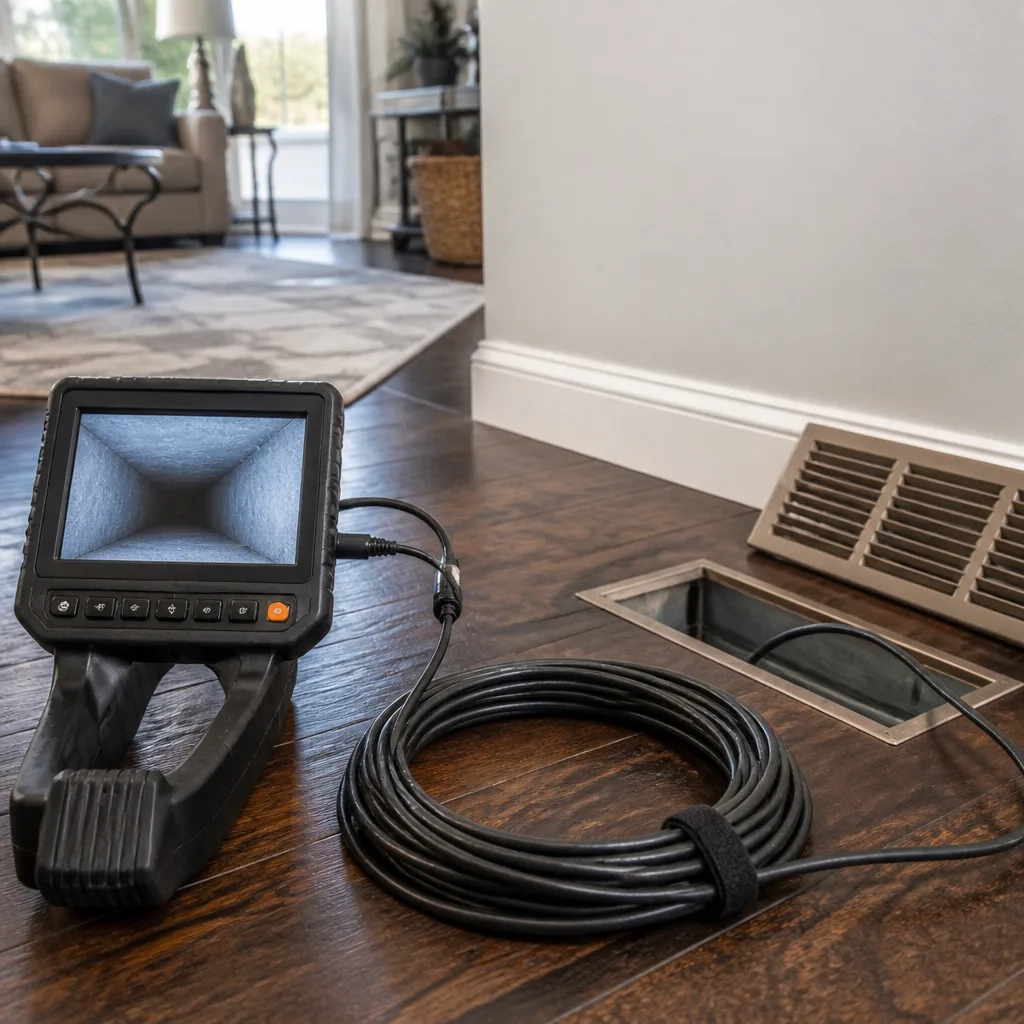 Camera inspection
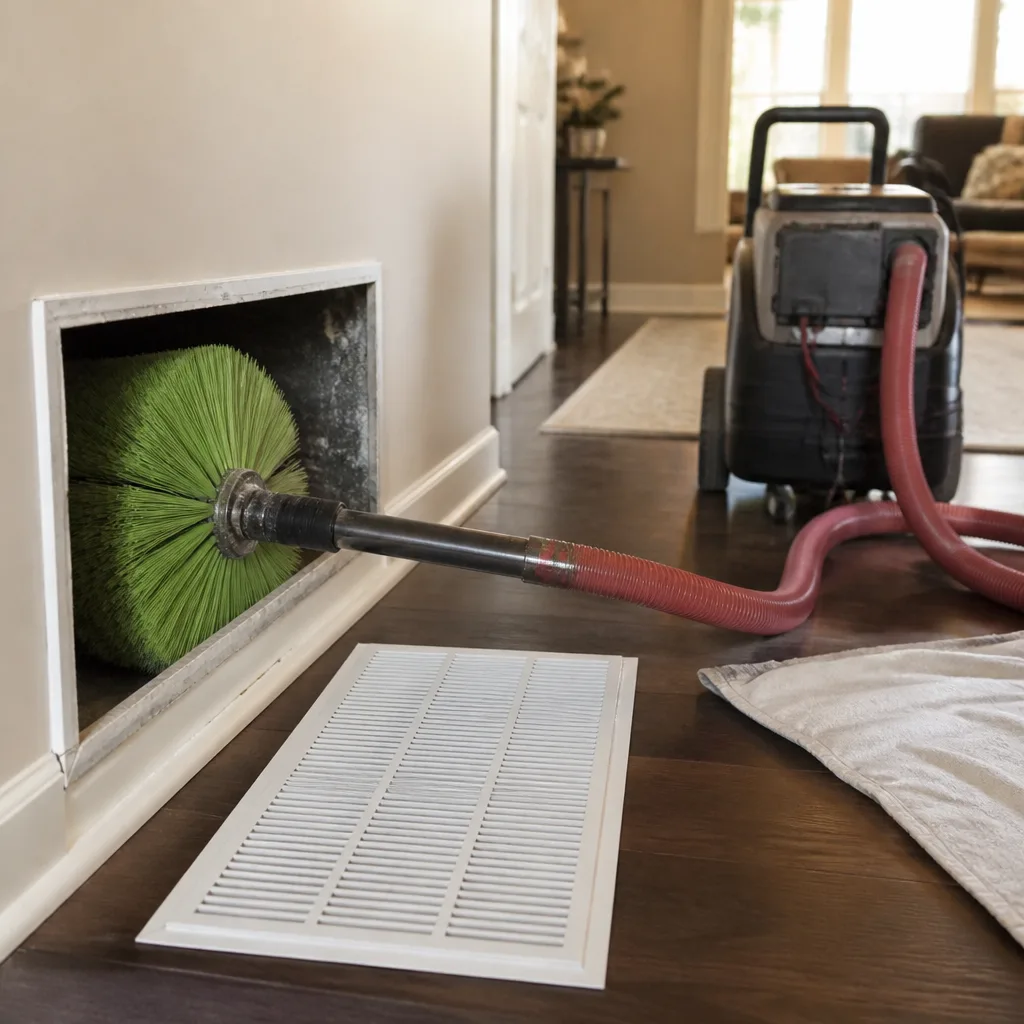 Sanitizing & deodorizing
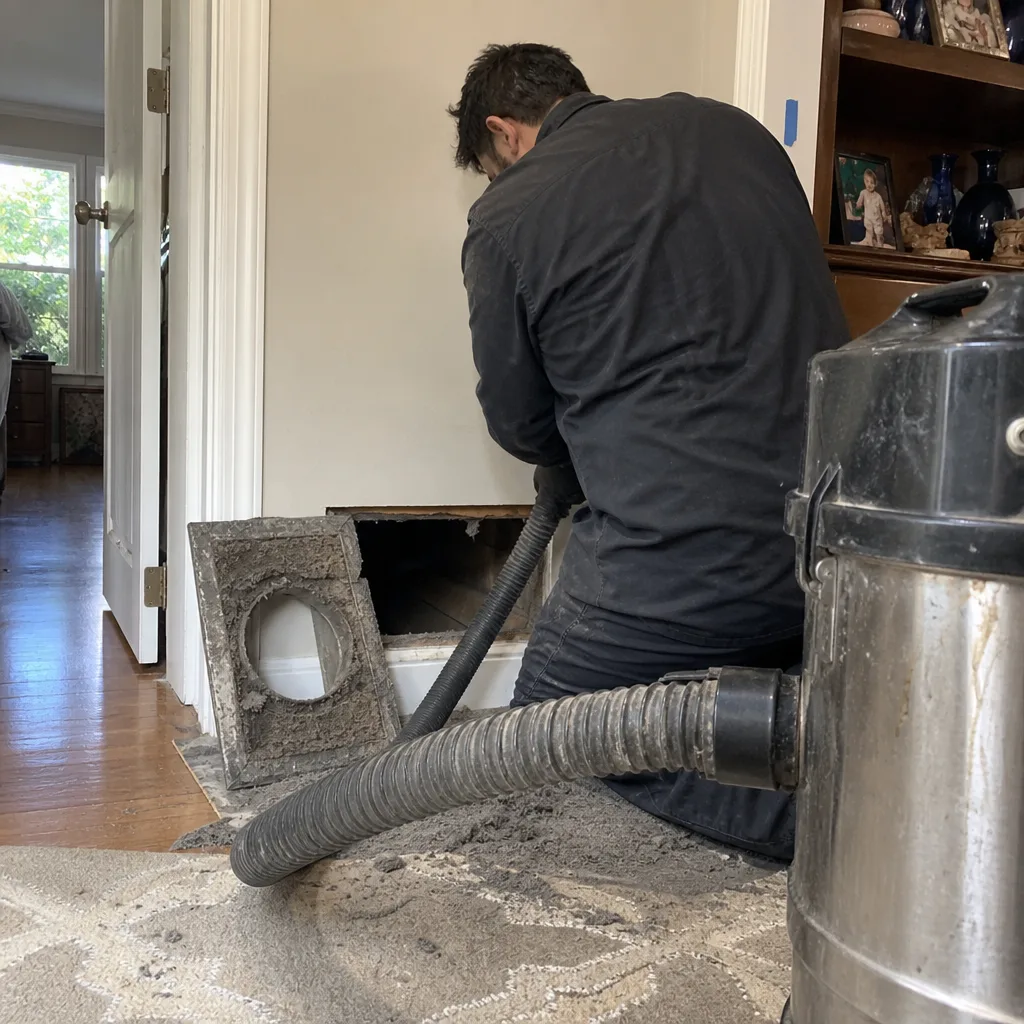
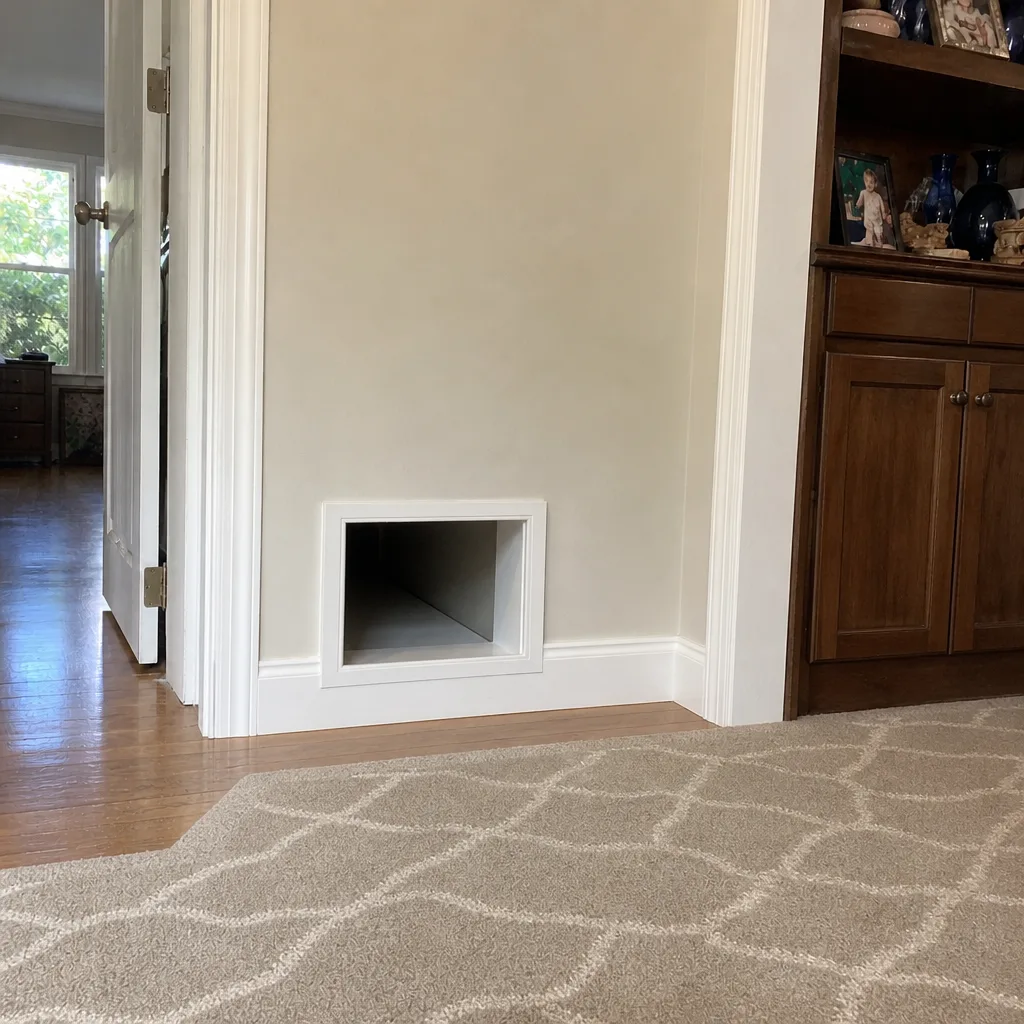
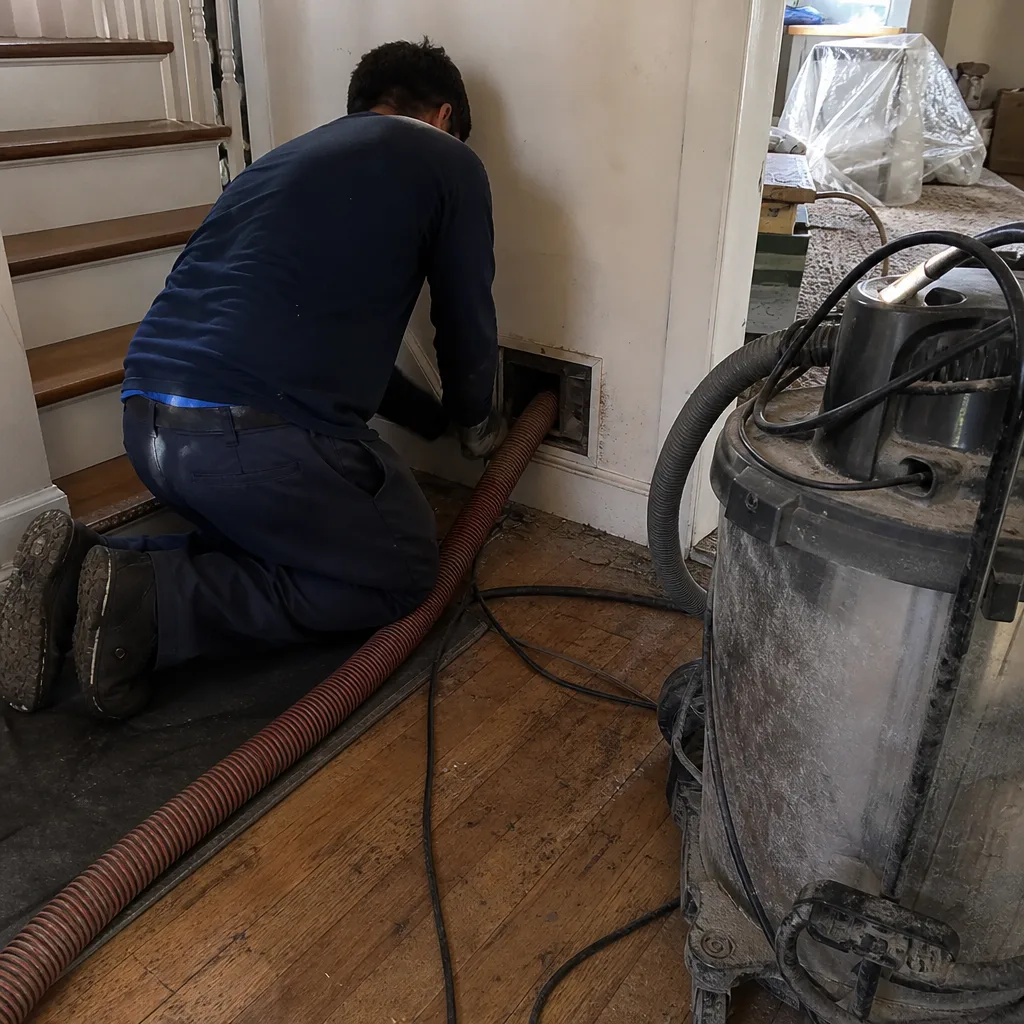
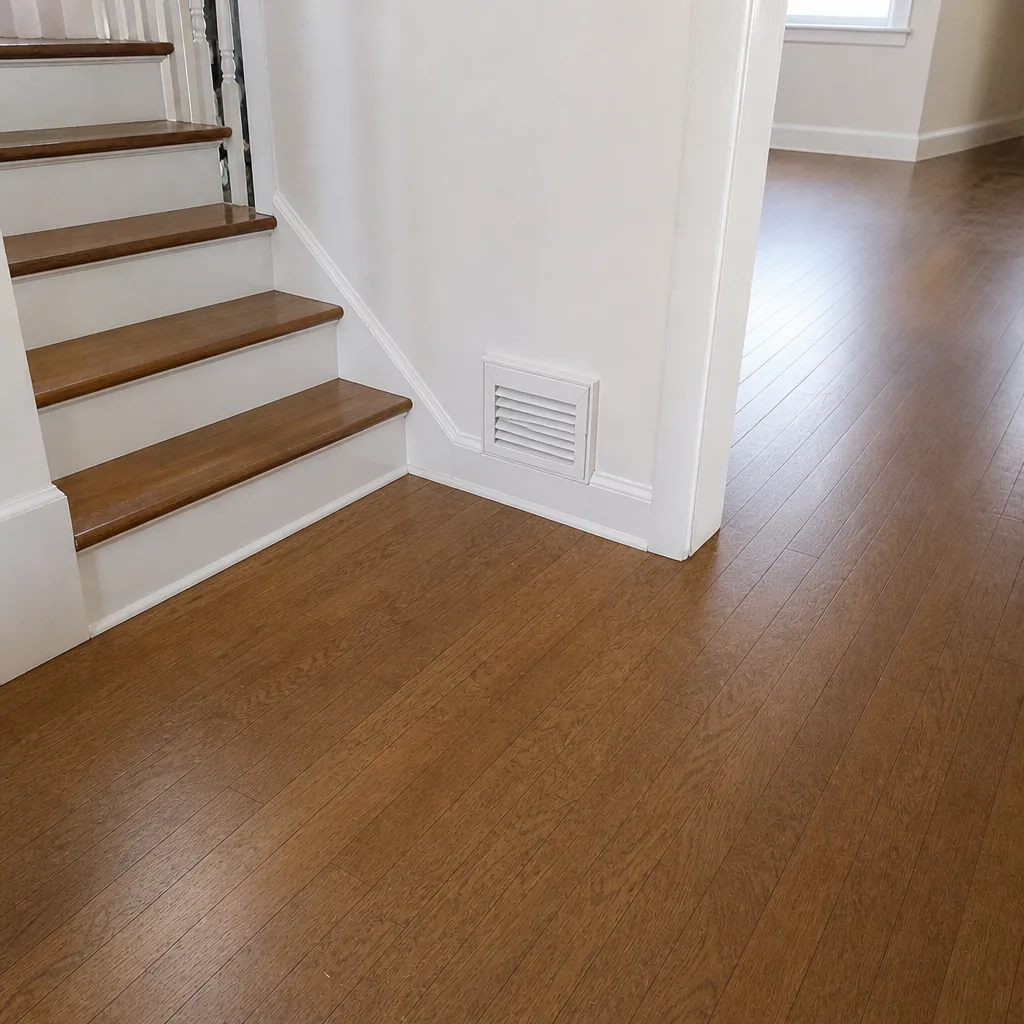
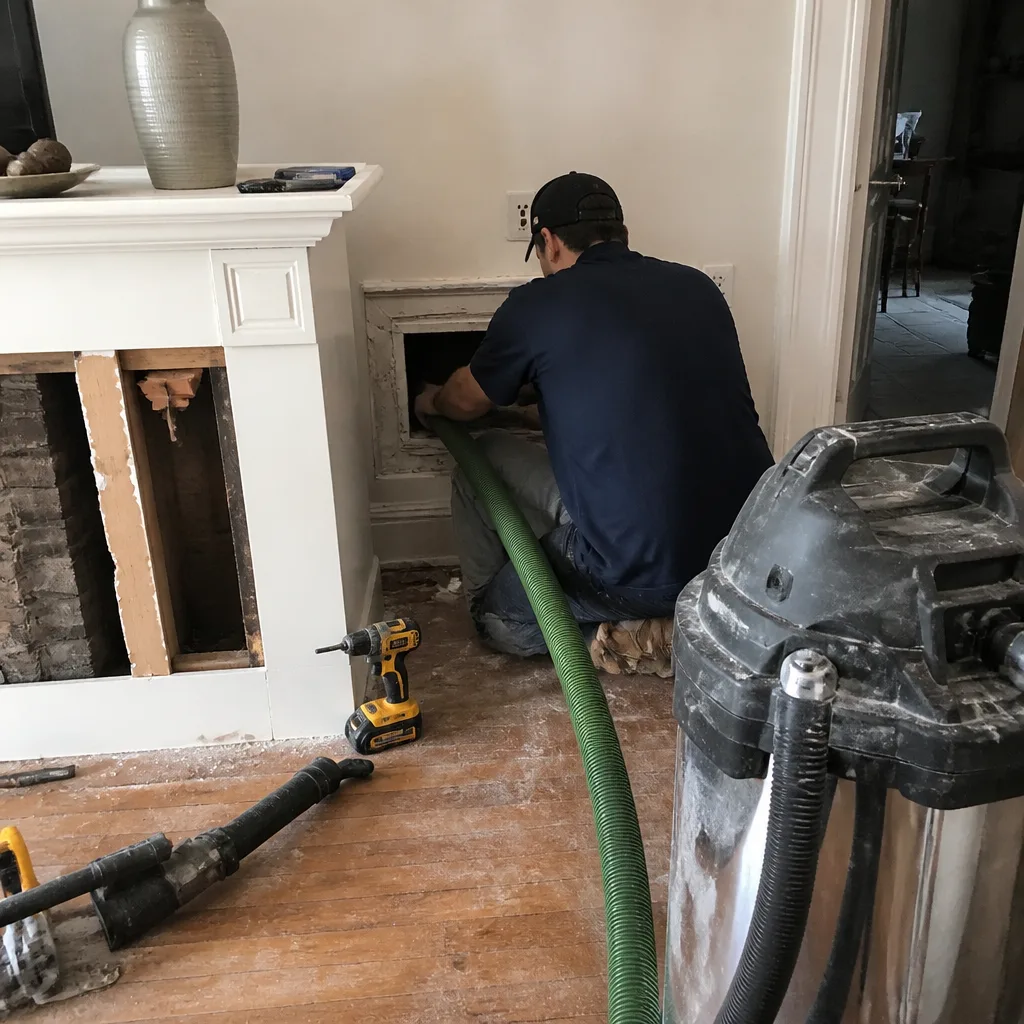
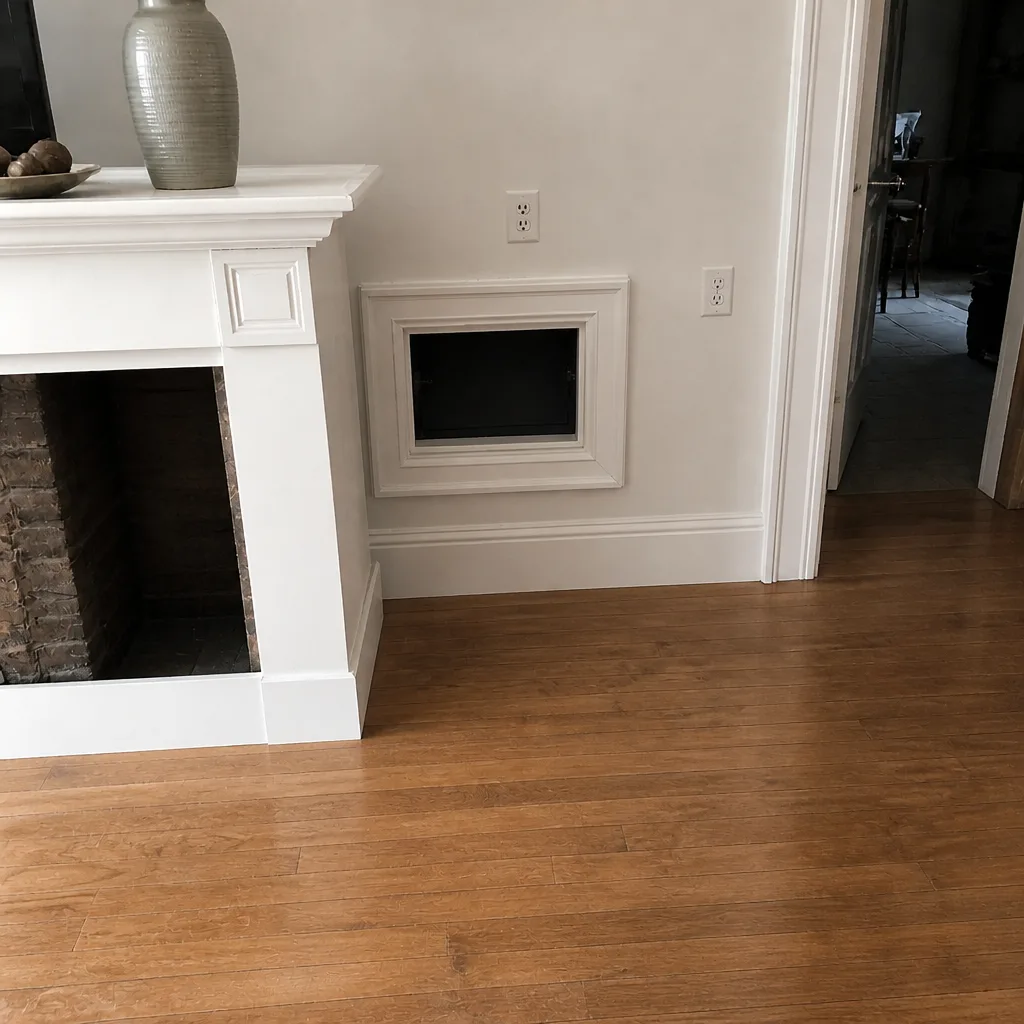
Whole-system duct and dryer vent check with before-and-after photos - you see exactly what came out of your vents
That "$99 whole-house special" is a bait ad - the real number appears once they are in your hallway, or the "clean" is a shop-vac at the register. We photograph the inside of your ducts before and after instead.
How to Hire an Air Duct Cleaning Contractor in Chelsea: A Step-by-Step Guide
Most people shopping for duct cleaning assume the hard part is finding someone who shows up on time. That’s the easy part. The hard part is finding someone whose equipment can actually remove the debris sitting inside your ducts instead of just stirring it up. The National Air Duct Cleaners Association has warned that a significant share of companies advertising duct cleaning run equipment that generates insufficient negative pressure to perform source removal, which means dust, construction grit, and biological growth get loosened and blown back into the rooms you breathe in. This guide walks you through the exact questions, equipment specs, and red flags that separate real contractors from van operators. We’ll cover what a quote should contain, why NADCA certification matters, and how Chelsea’s building stock changes the way a proper job gets done. Chelsea Air Duct Cleaning put this together because we’ve walked into too many buildings where the last “cleaning” made the air worse.
Quick Answer
To hire an air duct cleaning contractor in Chelsea, verify four things before booking: the contractor uses a truck-mounted or high-CFM negative-pressure vacuum (not a shop vac), technicians hold NADCA certification, they assess your duct layout in person rather than quoting over the phone, and the quote lists every line item including access cuts, sanitizing, and any repair or sealing work. If any of those is missing, keep looking. Everything else in this guide builds on that foundation.
Styles & brands we work with
- Whole-home duct cleaning
- Dryer vent cleaning
- Camera inspection
- Sanitizing & deodorizing
Table of Contents
- Why Duct Cleaning in Chelsea Isn’t Like Everywhere Else
- What Equipment Should a Real Duct Cleaning Company Bring?
- Why NADCA Certification Actually Matters
- The Five Questions That Reveal a Low-Quality Operator
- How to Read a Duct Cleaning Quote
- NYC-Specific Red Flags
- Step-by-Step: The Hiring Process From First Call to Final Walkthrough
- What a Proper Cleaning Looks Like When It’s Done
Why Duct Cleaning in Chelsea Isn’t Like Everywhere Else
Chelsea is a neighborhood of converted warehouses, pre-war walk-ups, and newer mid-rise residential buildings, and each one presents a different duct challenge. Pre-war buildings often have ductwork that was retrofitted into existing framing, with tight turns, short runs, and access points that weren’t designed for cleaning equipment. Converted industrial buildings may have large plenum spaces and surface-mounted duct runs that you can reach. Newer construction tends to have flexible round duct with more joints, which collect debris at every seam.
Add to that the fact that Chelsea sits in one of the densest built environments in the country. Street-level particulates, construction dust from ongoing renovation in nearby blocks, and the natural buildup from a building’s own renovation history all work their way into return-air intakes. A building along a busy corridor in Chelsea will collect interior duct debris faster than a quiet residential street in the suburbs, simply because the air being drawn in carries more material.
The practical upshot for hiring: a contractor who quotes a flat price over the phone, sight unseen, has no idea what’s inside your specific duct system. In Chelsea, a ten-minute walk between two buildings can produce completely different duct layouts, access requirements, and cleaning times. A reputable contractor will want to walk the space, open an access panel or two, and see what they’re actually getting into. If they don’t, ask for a technician-led assessment before any work is scheduled.
We handle the whole system, meaning the contractor you hire should be able to clean, repair, seal, and sanitize the entire network from the return-air intake through to every supply register. A company that only cleans the runs and leaves sealing and remediation to someone else is not a full-system contractor, and your ducts will recontaminate faster because of it. For a deeper look at what full-service work covers, our air duct cleaning page walks through the entire scope.
What Equipment Should a Real Duct Cleaning Company Bring?
Ask what vacuum collection unit they’ll use and what its CFM rating is. CFM stands for cubic feet per minute, and it’s the measurement of how much air the vacuum moves. A real duct cleaning system uses negative pressure to create continuous suction across the whole connected duct network, so that when a technician dislodges debris with a rotary brush or compressed air, the debris travels back toward the collection unit and never enters your living space. Portable consumer vacuums and shop vacs can’t generate enough suction for source removal. They can knock material loose, but they can’t reliably capture it.
Here’s what to ask about, specifically:
- Truck-mounted vs. portable: A truck-mounted unit (or a large portable with equivalent CFM) connected to the duct system through a flexible hose is the standard for source removal. Ask whether the equipment is purpose-built for duct cleaning, not a wet/dry vacuum with an adapter.
- Rotary brush systems: Rotobrush and Nikro are the brands most often named by certified contractors because they’re purpose-built for duct interiors, with flexible shafts and brush heads that fit tight runs. Ask whether the contractor uses a rotary brush system like one of these.
- HEPA filtration and air scrubbing: During the cleaning process itself, the contractor should be running air filtration equipment to control any airborne particulates. Abatement Technologies units are the remediation-grade standard, and a contractor who brings them signals they understand that the cleaning process shouldn’t degrade the indoor air it’s meant to improve.
- Access tools: Every duct system needs access holes cut for cleaning. The contractor should have the right tools to cut them cleanly and the materials to reseal them properly.
- Sanitizing equipment and products: If air quality treatment is on the scope, ask what sanitizing products are used. Honeywell and Aprilaire are names you’ll see in credible air quality work.
If the answer to “what equipment do you bring” is “a big vacuum,” that’s not a real answer. Push for a brand and model. The difference between a shop vac and a truck-mounted Rotobrush or Nikro system is the difference between agitating the problem and solving it.
Why NADCA Certification Actually Matters
The National Air Duct Cleaners Association publishes the industry standard for how duct cleaning should be performed, and its certification process requires technicians to demonstrate knowledge of duct system design, contamination assessment, source removal technique, and safe access. NADCA certification is not a marketing badge. It’s a structured training and testing path that separates people who’ve studied duct systems from people who bought a used van and a vacuum.
What specifically does NADCA certification signal? A certified technician should be able to:
- Identify the difference between surface dust (which may not need cleaning) and source contamination (which does).
- Explain why a duct system needs negative pressure and how to set it up correctly.
- Recognize biological growth inside a duct system and know when sanitizing or remediation is appropriate versus when it’s not.
- Understand the role of access, sealing, and post-cleaning verification in producing a result that stays clean.
- Diagnose a duct system that’s causing comfort or efficiency problems and explain the root cause rather than just selling a cleaning.
Interview the contractor about certification the same way you’d ask a licensed electrician about their license. The question isn’t “are you certified?” (everyone says yes) but “what does your certification require you to know about source removal and post-cleaning verification?” A technician with real training will give you a specific answer. Someone who took a weekend course won’t. In our experience, technicians who’ve come up through certification programs tend to work differently on a job, because they’re trained to assess the system first and clean second.
You can also ask about experience. Our technicians have up to 15 years of experience, and that kind of tenure shows up in how they read a duct layout and how they handle a building with unusual access. But experience without certification standards behind it is uneven. You want both.
The Five Questions That Reveal a Low-Quality Operator
These are the questions that separate a real contractor from a van operator, and almost all of them can be asked on the first call:
- “What’s the CFM rating of your vacuum collection unit, and is it truck-mounted or portable?” A real operator knows the number. A low-quality one gives you a vague answer or asks why you’re asking.
- “Will you assess my duct layout in person before quoting?” In Chelsea, this is non-negotiable. Any contractor willing to quote over the phone is guessing at the scope and will pad the final bill once they see the building.
- “What filtration will you run during the job?” If the answer isn’t a specific brand or type of air scrubbing equipment, they’re not controlling airborne particulates during the service.
- “Do you offer duct repair and sealing, or just cleaning?” A contractor who only cleans can’t address the joints and seams that cause air loss and recontamination. You want the full-scope answer.
- “Will I get before-and-after photos of my ducts?” A contractor who can show you what was removed and what’s left is doing real source removal. A contractor who can’t isn’t verifying the work.
One more worth adding: “What does your written estimate include?” If the answer is a single lump sum with no line items, you don’t have a quote, you have a number. See the next section for what a proper quote should look like.
How to Read a Duct Cleaning Quote
A proper duct cleaning quote is line-itemized, so you can see exactly what’s being done and why. The following line items should appear on any quote you’re serious about:
- Assessment: A dated line for the in-person duct layout assessment, even if it’s included at no charge.
- Number of systems and duct runs: A count of what’s being cleaned, including both supply and return sides.
- Access creation and resealing: Where access cuts will be made and how they’ll be sealed afterward. This is often omitted from cheap quotes because it’s labor.
- Cleaning method: The equipment being used (rotary brush, negative pressure vacuum, compressed air), applied to which areas.
- Filtration during the job: What air scrubbing will run during cleaning.
- Sanitizing (if included): What product and what surfaces it’s applied to. Honeywell and Aprilaire products are what you want to see named.
- Repair and sealing (if needed): A separate line for any damaged joints, separated flex duct, or disconnected runs.
- Post-cleaning verification: Before-and-after photos or an on-site walkthrough.
- Final price and scope acknowledgment: A single flat price per system agreed in writing before work begins.
If a quote is missing line items for access, filtration, and verification, those things will either be skipped or added to the invoice later. That’s the bait-and-switch most people in Chelsea get caught by: a low number on the phone that grows once a technician is standing in the building. Ask for one flat price per system in writing, with the full scope attached, before you book.
Dryer vent cleaning is often quoted as an add-on, but it shouldn’t be an afterthought. Lint accumulation in dryer vents is a leading cause of residential fires, and a contractor who can clean, inspect, and reassemble that vent in one visit is doing something genuinely valuable. For the full picture on why it’s a separate job, see dryer vent cleaning.
NYC-Specific Red Flags
Some problems show up in Chelsea more than elsewhere because the building stock and the market are unusual. Watch for these:
- Quoting without an in-person assessment. A phone quote in a Manhattan or outer-borough building is almost always either padded or incomplete. In-person assessments are how a contractor confirms access, layout, and scope.
- No mention of access creation. Every NYC duct system needs access cuts. A contractor who doesn’t mention them either doesn’t plan to clean properly or hasn’t thought the job through.
- “Whole building” flat pricing without a system count. A flat monthly rate that doesn’t break down by system or run isn’t a quote for your job, it’s a quote for a job they might show up for.
- No mention of co-op or condo building requirements. Many Chelsea buildings have specific rules about hours of work, protection of common areas, and access to shared shafts. A contractor who has worked in Chelsea should be comfortable talking through building logistics.
- No post-cleaning verification. If the contractor doesn’t mention photos, a walkthrough, or both, they’re not verifying the work. You won’t know what was actually removed.
- Sanitizing quoted without any explanation of the product. Air quality treatment should be a specific product with a specific purpose. “We’ll use something to kill the mold” is not an answer.
For a broader view of what full-system service looks like when a contractor offers repair, sealing, and sanitizing alongside cleaning, our HVAC cleaning page covers how the HVAC unit and ductwork get cleaned together as one scope.
Step-by-Step: The Hiring Process From First Call to Final Walkthrough
Here’s the process in order. Follow it and you’ll avoid the most common mistakes:
- Ask for the equipment up front. On the first call, ask about the vacuum unit (CFM, truck-mounted or portable) and the rotary brush system. Note the brands. Rotobrush and Nikro are known names; if they name neither, ask what they do use and why.
- Request an in-person assessment. Insist on it. The contractor should walk the space, ask about the system (how many zones, when was it last cleaned, has it ever been sealed), and look at the duct layout before quoting.
- Verify NADCA certification. Confirm the certification status of the technicians who will actually be on the job, not just the salesperson.
- Get a line-itemized quote in writing. Review it against the checklist in the previous section. Ask about anything that’s missing.
- Confirm the flat price per system. The written estimate is the final price. No line items added after work begins. If the contractor won’t commit, walk away.
- Schedule the job, and clear access. Confirm building access rules with your co-op or condo board in advance if applicable, and clear the areas near access points.
- Walk through the work while it’s happening. Ask to see what the technician is finding inside the ducts. A transparent contractor is happy to show you.
- Get the before-and-after photos and the final walkthrough. Confirm the access cuts have been resealed, the sanitizing (if quoted) has been applied, and any repair or sealing work is complete.
None of this is complicated, but it does require the contractor to slow down and document. In our experience, the contractors who push back on any of these steps are the ones you want to avoid. Occasionally a Chelsea building has a duct layout that doesn’t look standard at first glance, and a good contractor will say so rather than assume.
Once the assessment is done, a reputable contractor can often schedule the cleaning within a reasonable window. Chelsea Air Duct Cleaning handles both residential and commercial work; you can see how we approach both by starting at Chelsea Air Duct Cleaning.
What a Proper Cleaning Looks Like When It’s Done
A properly cleaned duct system should produce three observable results. First, the access cuts should be sealed cleanly with no visible gaps or open holes. Second, the registers should be visibly cleaner, and there should be no loose debris visible inside the first several inches of the duct where you can look. Third, the building should feel different, less dusty in the rooms nearest the registers, less odor from the return-air side, and, if the system was cleaned as part of an air quality treatment, less of the allergen load you may have gotten used to.
What you should also get: before-and-after photos of the interior duct surfaces, a walkthrough with the technician, and a plain-language explanation of what was found and what was done. If any duct sections were disconnected, damaged at a joint, or sealing was needed to reduce air loss, that should have been flagged during the job and addressed. Cleaning without sealing is a half-fix. Air loss at a separated joint means the system draws air from the wrong place, and recontamination happens faster.
If sanitizing was on the scope, confirm what product was used and where. Honeywell and Aprilaire are the brand names to look for in air quality treatment, and Guardsman-grade protective products are a reasonable sign of care in how materials get handled. You don’t need to become an expert in these products. You just need to confirm they were named in the quote and used on the job.
Give the system a re-check after a season of use. If dust is visibly collecting at the registers again within a few months, something else is going on: a return-air filter that isn’t getting changed, a disconnected duct in an inaccessible area, or a joint seal that failed. A contractor who offers repair and sealing can diagnose that. A contractor who only cleans will just sell you another cleaning.
Common Mistakes to Avoid
- Booking on price alone. The lowest quote in Chelsea is almost always the lowest because something’s missing: access, filtration, verification, or all three. A low number that grows once a technician arrives is the industry’s oldest trick.
- Accepting a phone quote. No contractor can know what’s inside your duct system without walking the space. A phone quote is a placeholder that turns into a revised invoice.
- Skipping the NADCA question. Certification is not a marketing badge. If the technician on the job isn’t certified, they may not know how to assess source contamination versus surface dust.
- Letting a contractor skip access and resealing. Access cuts are where ducts get properly cleaned and inspected. A contractor who doesn’t cut access is cleaning only what they can see.
- Cleaning without sealing. Disconnected or damaged duct joints cause air loss and recontamination. If your system was cleaned and something’s still off, sealing is the thing to investigate.
- Treating dryer vent cleaning as an optional add-on. Lint accumulation in dryer vents is one of the leading causes of residential fires. If the contractor is already in the building, this should be part of the scope, not a separate trip.
- Skipping the post-work walkthrough. Photos and a walkthrough are how you verify what was actually removed. Without them, you’re taking the contractor’s word for it.
One more worth calling out: don’t hire someone who hasn’t asked to see your building. In Chelsea, the difference between two buildings can be large, and a contractor who’s familiar with the neighborhood’s building stock will ask about access, shared shafts, and building rules before they quote.
See the difference
 Before
 After
 Before
 After
 Before
 After
When to Call a Professional
You should call a professional when duct cleaning is genuinely needed, and that’s less often than most people think but more often than the internet’s lazy “every 3 to 5 years” rule suggests. Call for service if you see visible dust or debris blowing out of supply registers, if the return-air side smells musty, if you’ve had recent renovation or construction dust get into the system, if anyone in the household has new or worsening allergies or asthma symptoms, if the dryer is taking noticeably longer to dry clothes (a sign of lint buildup in the vent), or if your energy bills are climbing without a clear cause and the HVAC equipment is already serviced.
You should also call if the system was last “cleaned” and you have no idea what was done. That’s an assessment question, and a technician-led walkthrough is how you find out. Chelsea Air Duct Cleaning offers free estimates in Chelsea. Call (866) 979-5520 to schedule an assessment. We answer 24/7. Fast dispatch from 7am to 7pm, Sunday through Friday.
Frequently Asked Questions
Verify four things before booking: truck-mounted or high-CFM negative-pressure vacuum, NADCA-certified technicians, in-person duct layout assessment rather than a phone quote, and a line-itemized written estimate that includes access, filtration, and verification. If those four are in place, the contractor is doing real source removal. Call (866) 979-5520 to schedule a free estimate with Chelsea Air Duct Cleaning.
Whole-system cleaning is priced per job based on the size of the system, the number of zones, the access required, and whether repair, sealing, or sanitizing is on the scope. We don’t quote phone numbers because Chelsea’s building stock makes every job different. The written estimate sets the final price, and it’s a flat price per system, so there’s no per-vent surprise when the technician arrives. Call (866) 979-5520 to schedule the assessment that produces that estimate.
The cheapest quotes almost always leave something out: access cuts, air filtration during the job, post-cleaning verification, or duct repair and sealing. They may also use consumer-grade vacuums without enough CFM for source removal, which agitates debris instead of extracting it. A cheap quote isn’t a discount; it’s a partial job. Call (866) 979-5520 for an estimate that reflects the actual scope.
Ask for before-and-after photos of the duct interiors and a walkthrough with the technician when the job is complete. A contractor doing real source removal will show you what was pulled out. A contractor who can’t produce photos isn’t verifying their work. Chelsea Air Duct Cleaning provides both as standard. Call (866) 979-5520 to book.
Possibly, yes. Buildings along busy corridors or near active renovation blocks pull more particulates into the return-air side, and pre-war or converted-industrial buildings often have duct systems that collect debris at seams and turns. The right interval is determined by an in-person look at what’s actually inside the ducts, not a calendar rule. Call (866) 979-5520 to schedule the assessment.
Cleaning removes physical debris from the duct surfaces using negative pressure and rotary brush equipment. Sanitizing applies a product to treat microbial growth, odors, and allergens after the mechanical cleaning is done. Cleaning without sanitizing is the base scope; sanitizing is an additional step when biological growth or lingering odors are present. Chelsea Air Duct Cleaning uses products from Honeywell and Aprilaire for the air quality side. Call (866) 979-5520 to discuss what your system needs.
The Bottom Line
Hiring a duct cleaning contractor in Chelsea comes down to verifying that the company has the equipment and protocol to actually clean a New York City duct system, not just a van and a schedule. Ask about CFM and equipment brands. Confirm NADCA certification. Insist on an in-person assessment. Read the quote line by line, and ask for one flat price per system in writing. Look for a contractor who cleans, repairs, seals, and sanitizes, because cleaning without sealing is a partial job that recontaminates quickly. Get photos and a walkthrough when the work is done. Everything else is noise.
If you’d like a technician-led assessment of your Chelsea duct system, call Chelsea Air Duct Cleaning at (866) 979-5520 for a free estimate. We answer 24/7. Fast dispatch from 7am to 7pm, Sunday through Friday. Our technicians have up to 15 years of experience, and our equipment is professional-grade Rotobrush and Nikro duct cleaning systems with Abatement Technologies air filtration controlling the air during the service. One flat price per system, agreed before work begins, with before-and-after photos of your own ducts.
Written by the team at Chelsea Air Duct Cleaning.