
Last updated November 22, 2026
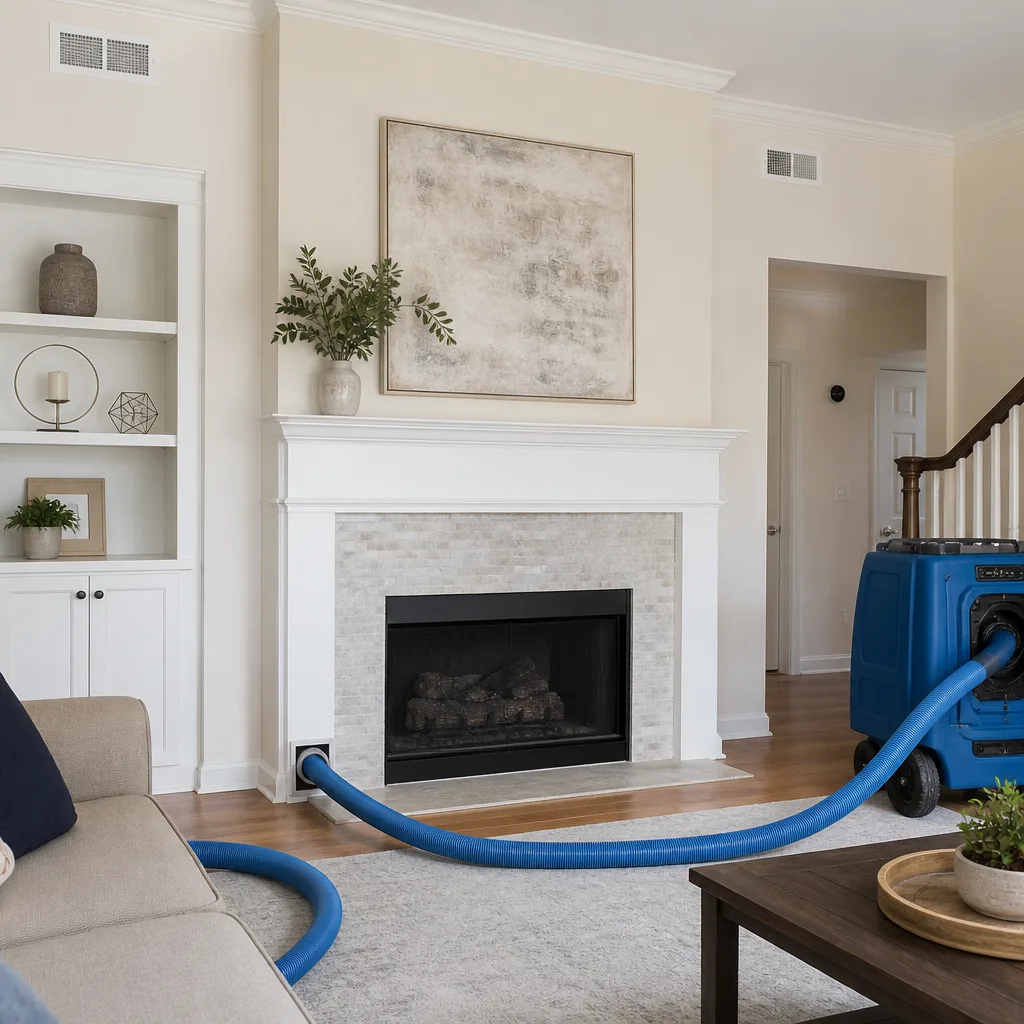 Whole-home duct cleaning
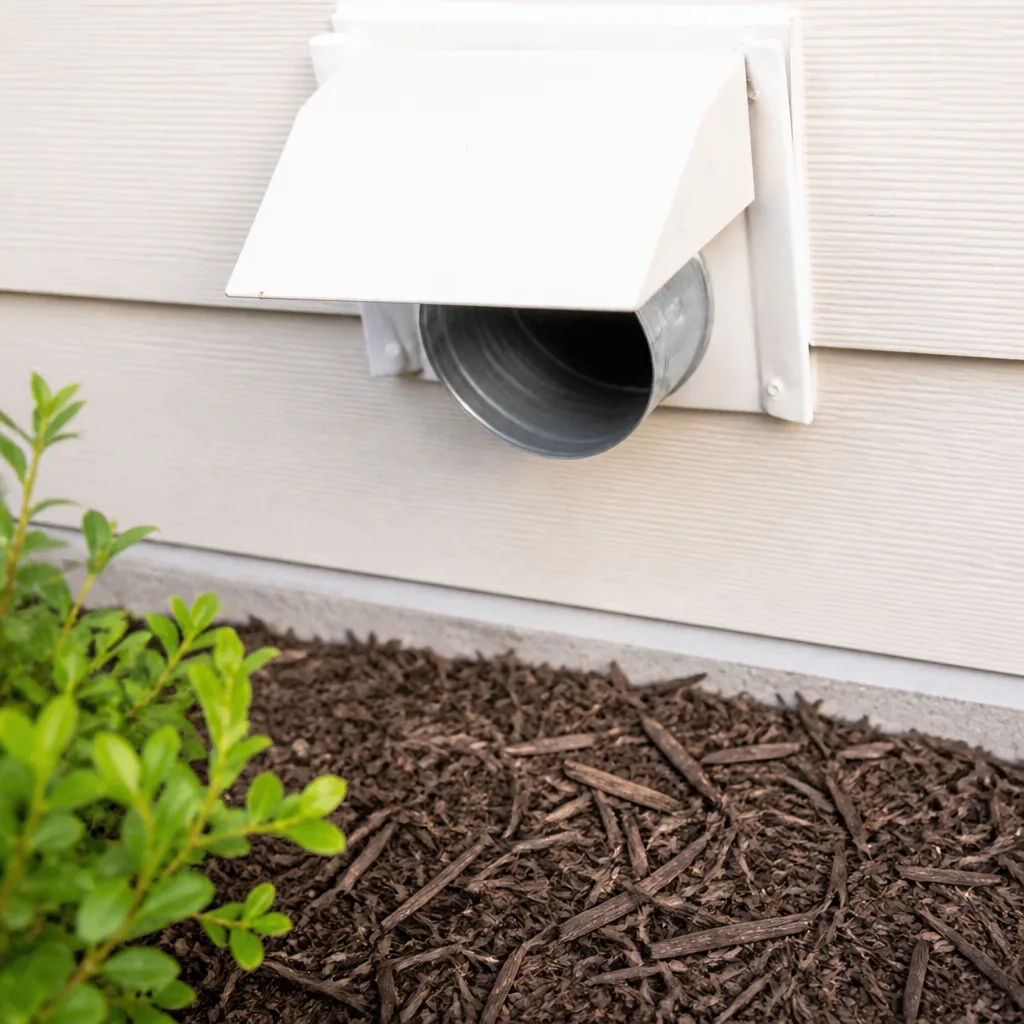 Dryer vent cleaning
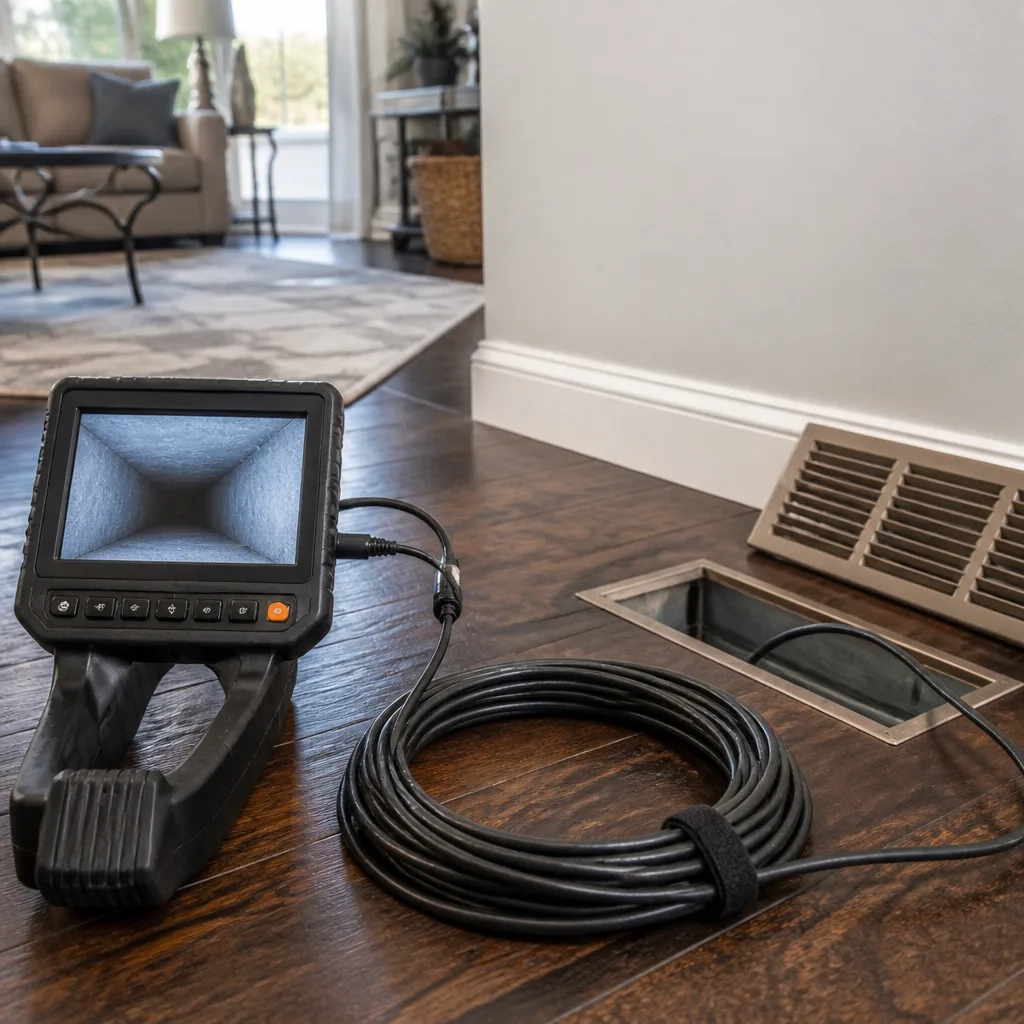 Camera inspection
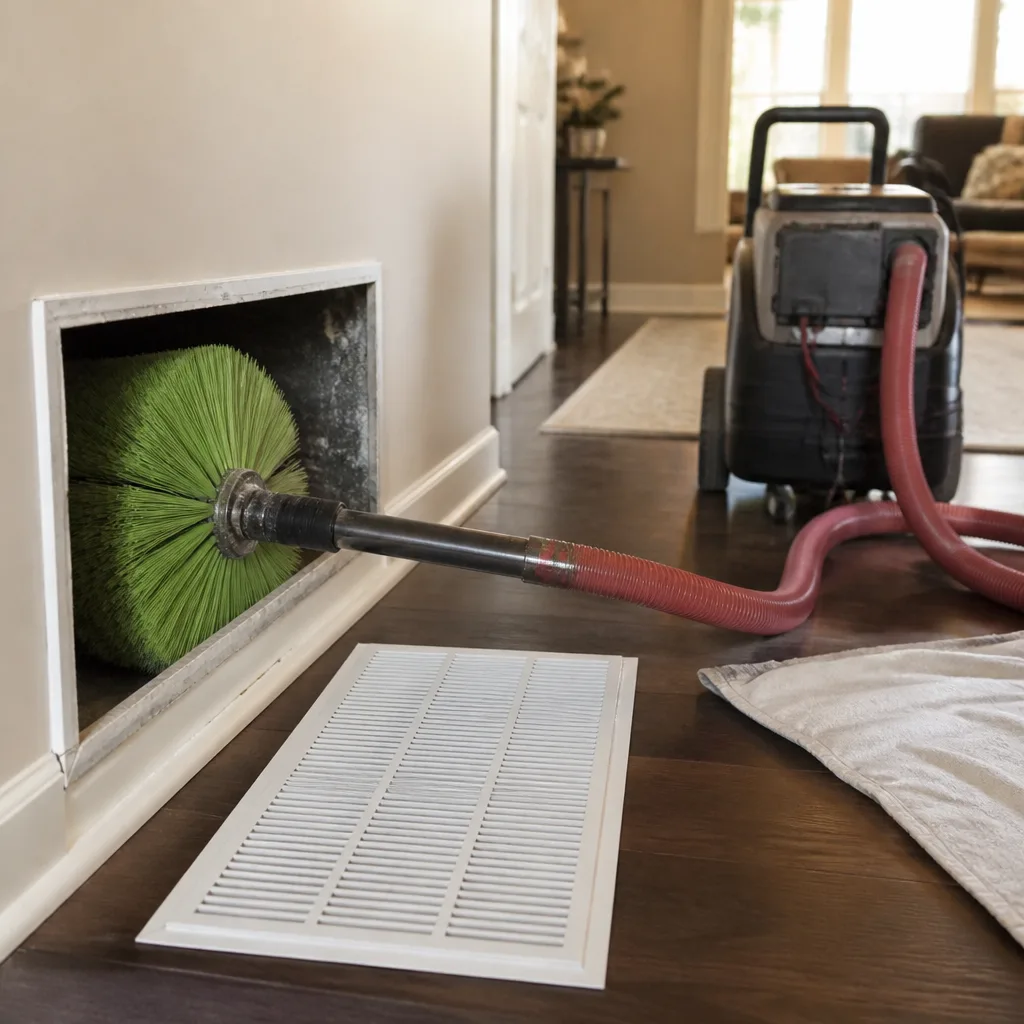 Sanitizing & deodorizing
Whole-system duct and dryer vent check with before-and-after photos - you see exactly what came out of your vents
That "$99 whole-house special" is a bait ad - the real number appears once they are in your hallway, or the "clean" is a shop-vac at the register. We photograph the inside of your ducts before and after instead.
DIY vs Professional Air Duct Cleaning: The Chelsea Homeowner’s Decision Guide
Most homeowners underestimate the gap between a shop vacuum and a truck-mounted system by an order of magnitude, not a degree. A consumer vacuum rigged to a duct brush moves a fraction of the air that source-removal equipment does, which means the debris you think you’re extracting often just gets stirred back into circulation. In a Chelsea walk-up or a converted brownstone where ducts are narrow, shared through walls, and decades old, that difference decides whether you actually clean the system or simply move the problem around. This guide lays out exactly what you can safely do yourself, where DIY genuinely stops working, and how to tell which side of that line your apartment sits on.
Quick Answer
You can and should handle register cleaning, filter changes, visual inspections, and light dryer vent clearing yourself. Actual source removal inside the duct network requires commercial negative pressure and agitation tools that no consumer vacuum can match, and in Chelsea’s dense, often older buildings, do-it-yourself work can spread mold spores or rodent debris through shared duct runs. For anything past the register grille, professional cleaning is the safer and more effective choice.
Styles & brands we work with
- Whole-home duct cleaning
- Dryer vent cleaning
- Camera inspection
- Sanitizing & deodorizing
Table of Contents
- What a Chelsea homeowner can legitimately do
- The physics: why consumer vacuums can’t do source removal
- When DIY makes the problem worse
- Co-op boards, shared ductwork, and the liability question
- What professional equipment actually does
- How to use DIY to extend time between cleanings
- Signs your Chelsea building needs a professional now
What a Chelsea homeowner can legitimately do
There is real work you should own. None of it involves reaching tools into the duct network, but all of it protects the system between professional visits.
Start with the registers. Supply and return grilles collect dust, pet hair, and cooking residue faster than the ducts behind them, especially in Chelsea apartments where kitchens vent into the same air the rest of the unit breathes. Pop the grille off, wash it in warm soapy water, dry it fully, and set it back. Do this every few months. The register face is the first thing anyone sees, and it’s also the closest surface to your living space, so a clean grille meaningfully reduces what settles into adjacent fabric, bedding, and shelves.
Filters are the next piece. Check your HVAC filter monthly and replace it when it’s visibly loaded, or on the schedule the filter manufacturer prints on the frame. A clogged filter forces the blower to work harder and pushes more bypass air around the edges, which drags unfiltered air into the system. That single habit does more for your air quality than most homeowners realize.
You can also do a basic visual inspection. A cheap USB borescope or phone camera on a flexible wand lets you look a short distance into a register boot without touching anything. What you’re looking for is surface dust, not biological growth. If you see dark staining, fuzzy patches, or droppings, stop and call a professional. Those are the situations where a homeowner inspecting a duct can accidentally disturb a colony of mold or a rodent nest loose into the airstream.
Finally, light dryer vent clearing is fair game. Pull the lint trap, vacuum out the lint that accumulates behind it, and check the flexible connector behind the dryer if you can reach it safely. That’s maintenance. Full vent line clearing, especially in a long run through a Chelsea wall cavity, is a different job with a real fire-safety dimension and belongs to a professional service like dryer vent cleaning, which reaches the full line rather than just the accessible end.
The physics: why consumer vacuums can’t do source removal
Duct cleaning works because of negative pressure and airflow. A professional system pulls a strong, sustained vacuum on the duct network while a rotating brush or air whip loosens debris from the walls. The debris becomes airborne, and the pressure differential carries it out of the house and into a collection system. Both halves matter: agitation without enough vacuum just clouds the duct with dust, and vacuum without agitation leaves the stuck-on layer where it was.
Consumer vacuums, even high-end ones, were never built for this. The hose diameter, motor size, and airflow volume are tuned for floor pickup. When a homeowner attaches a brush to a shop vacuum and feeds it into a duct, the vacuum can grab loose surface dust near the opening, but the pressure drops rapidly the further the brush travels. Deep in the run, the vacuum is barely moving air at all. What’s actually happening is that the brush is knocking material loose and the micro-pressure is pushing some of that material back into the room or into the next branch of the system, where it settles again somewhere the homeowner never sees.
Think about what a duct cleaning machine must overcome: the length of the run, the number of bends, the roughness of older galvanized or flex duct, and the fact that a single system serves multiple rooms. A residential vacuum loses usable pressure after a few feet. A truck-scale or high-output portable unit built for duct work holds pressure across the entire network, which is the only way debris at the far end of a Chelsea apartment’s run ever leaves the building.
This is why we don’t treat duct cleaning as a stronger version of vacuuming. We use professional-grade systems from Rotobrush and Nikro, purpose-built for duct interiors, with controlled airflow and sealed collection so the debris goes into the machine, not back into your air. If you want to understand the equipment side in more depth, our air duct cleaning page walks through the process step by step.
When DIY makes the problem worse
Not every duct is just dusty. Some are actively contaminated, and that changes the calculation entirely.
Mold is the clearest example. When duct interiors stay damp, mold spores can colonize the walls, insulation, and seams. A homeowner with a shop vacuum who disturbs those colonies sends a cloud of spores into the airstream and, from there, into every room the duct serves. In a tightly sealed Chelsea apartment, that cloud lingers. Professional remediation depends on containment: Abatement Technologies air filtration equipment captures airborne particles at the work zone rather than letting them travel, and the cleaning itself is done under controlled negative pressure so nothing migrates.
Rodent debris is the other case. Droppings, nesting material, and the pathogens that travel with them are a genuine health hazard. Dry-sweeping or vacuuming rodent debris without proper filtration is how people get sick doing their own cleanup. It’s also how the contamination spreads from one duct branch into the rest of the system.
There’s a subtler problem too. Even a clean-looking duct can have compromised seals that dump conditioned air into wall cavities. If you run a vacuum through a leaky duct system, you can pull air from the cavity right back into the ducts. Professional duct repair and sealing addresses the cause; DIY cleaning without that step can undo itself within weeks. When a system needs cleaning, repair, and sanitizing, the right move is the full scope handled together, which is exactly how we approach it.
Co-op boards, shared ductwork, and the liability question
Chelsea is dense with co-ops and condos, and that changes the DIY calculation in ways most guides ignore.
In many of these buildings, the ducts serving your apartment aren’t entirely yours. Vertical chases, risers, and shared returns run through common elements or through the neighboring unit’s walls. Boards often have rules on file about what can be done to building systems, including ductwork, and many require licensed and insured professionals for anything that touches shared infrastructure. Before you run any tool into a duct in a Chelsea co-op, read your proprietary lease or house rules, or ask the managing agent where the line is between your unit and the building.
There’s also a practical liability question. If a DIY attempt dislodges insulation, damages a seam, or introduces moisture into a shared chase, the repair cost isn’t just yours. It can affect the neighbor below you, the common hallway, or the whole riser. Insurance often treats uncontrolled homeowner work on building systems as an uninsured event, which means the cost lands on your apartment.
Professional work carries a different profile. The local professionals we connect Chelsea homeowners with are licensed and insured as their state requires, work under controlled containment, and document what they did. For a board, that paperwork is often what makes the work acceptable in the first place. If you’re a property manager handling multiple units, our HVAC cleaning page covers the coordinated approach for whole buildings.
What professional equipment actually does
Worth knowing what you’re paying for, even if you never touch the machine.
The process is a sequence, not a single tool. Here’s how a source-removal cleaning typically runs:
- Inspection and setup. The technician maps the system, identifies branch runs, and sets up containment so the work area stays sealed.
- Negative pressure engagement. A high-output vacuum connects to the main trunk, pulling sustained negative pressure through the whole network.
- Agitation. Rotobrush and Nikro tools feed through the duct, mechanically breaking loose the adhered layer on the walls.
- Air washing and collection. Compressed air or high-velocity tools push remaining debris toward the vacuum, where Abatement Technologies filtration captures suspended particulates.
- Optional sanitizing. Where microbial growth or odors are present, an air-quality treatment with products from Honeywell and Aprilaire finishes the job.
- Post-inspection. Camera review confirms the duct is clean and the seals hold, and the homeowner gets before-and-after images.
The difference between that and a shop vac and a brush isn’t intensity. It’s whether the debris leaves the building. Our Chelsea Air Duct Cleaning page lays out the full-system scope if you want to see how ducts, vents, and HVAC fit together in one visit.
How to use DIY to extend time between professional cleanings
The right framing for DIY isn’t “replace the professional.” It’s “stretch the interval.” A homeowner who does the small work consistently can go much longer between full cleanings than someone who ignores the system entirely. Here’s the routine that works in Chelsea apartments:
- Monthly: replace or clean the HVAC filter, and check it again two weeks after a change if you have pets or live on a busy Chelsea avenue.
- Quarterly: remove, wash, and dry every supply and return register grille.
- Seasonally: vacuum the lint trap housing and the end of the dryer vent connector. If you notice slower drying times, the vent needs professional attention.
- Annually: run a camera inspection through one or two accessible register boots to spot dark staining or debris accumulation early.
- After any renovation: expect a spike in drywall dust and construction debris. Book a professional cleaning rather than attempting it yourself, because the volume is usually far higher than DIY can handle.
Guardsman-grade protective products, applied as part of a professional sanitizing visit, can also help keep duct surfaces less hospitable to future buildup. Combine that with fastidious filter changes and you’ll genuinely go longer between full cleanings.
Signs your Chelsea building needs a professional now
Some situations don’t allow for a wait-and-see approach. If you’re seeing any of the following, stop the DIY work and bring in a professional:
- Visible dark staining, fuzzy growth, or a musty smell coming from the registers. That’s a strong signal of microbial growth inside the duct.
- Rodent droppings or nesting material at a register boot or in a return grille.
- New or worsening allergy symptoms that track with time indoors, or a household member with a respiratory condition.
- A significant jump in heating or cooling costs with no other obvious cause, which can indicate a duct leak.
- Visible dust blowing from a register when the system starts, especially after a renovation.
- A dryer that takes noticeably longer to dry loads, or a lint screen that fills unusually fast.
- A co-op board request or a property manager’s inspection report flagging the system.
In our experience, the strongest argument for professional cleaning isn’t the equipment on its own. It’s the full scope: clean, repair, seal, and sanitize, so the system stays clean longer. That’s how we approach every Chelsea apartment. Our technicians have up to 15 years of experience working with duct systems in dense, older buildings, and we handle the whole network rather than just the visible runs.
Common Mistakes to Avoid
- Running a shop vac deep into a duct. Consumer vacuums lose usable pressure after a few feet, so the brush is loosening debris that ends up somewhere else. If the debris isn’t collected, the job isn’t done.
- Attacking visible mold growth without containment. Disturbing mold colonies without a filter unit running just spreads spores through the apartment. Containment is non-negotiable.
- Vacuuming rodent debris yourself. Droppings carry real pathogens, and a standard vacuum throws those particles into the air you’ll be breathing. This is a case for professional filtration equipment.
- Ignoring the co-op rules. In many Chelsea buildings, ducts and risers are shared infrastructure. Touching them without checking the proprietary lease can turn a routine maintenance task into a building dispute.
- Skipping the filter change and hoping the cleaning lasts. A loaded filter pushes bypass air through the system, and the dust comes right back. Cleaning a duct without replacing a dirty filter wastes the effort.
- Treating a duct leak like a cleaning problem. If the ducts are leaking, the system is losing conditioned air into the wall voids. Sealing is part of the fix and has to come with the cleaning, not later.
- Assuming a dryer vent is fine because the trap is empty. The lint trap catches the easy lint. The run of the vent line is where the fire risk accumulates, and in Chelsea’s tight wall cavities, that run isn’t something a homeowner can reach.
See the difference
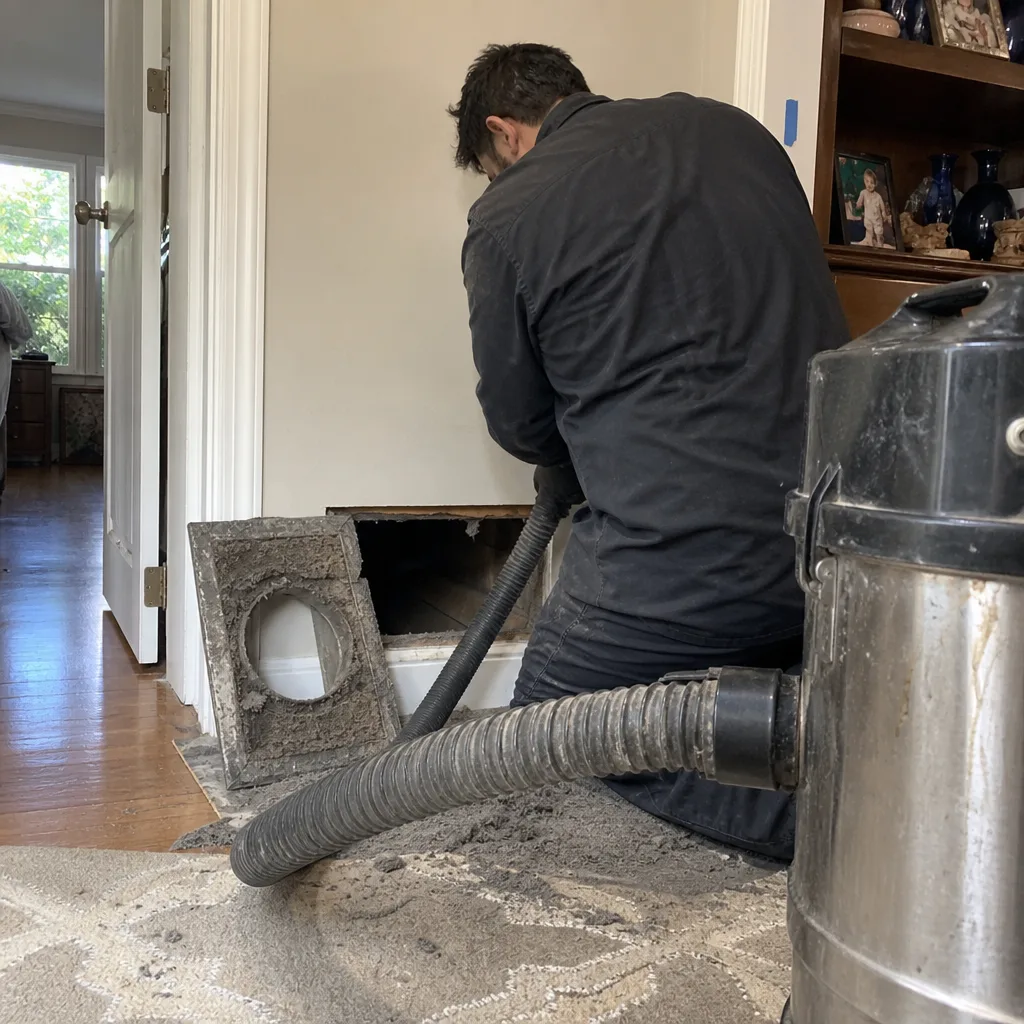 Before
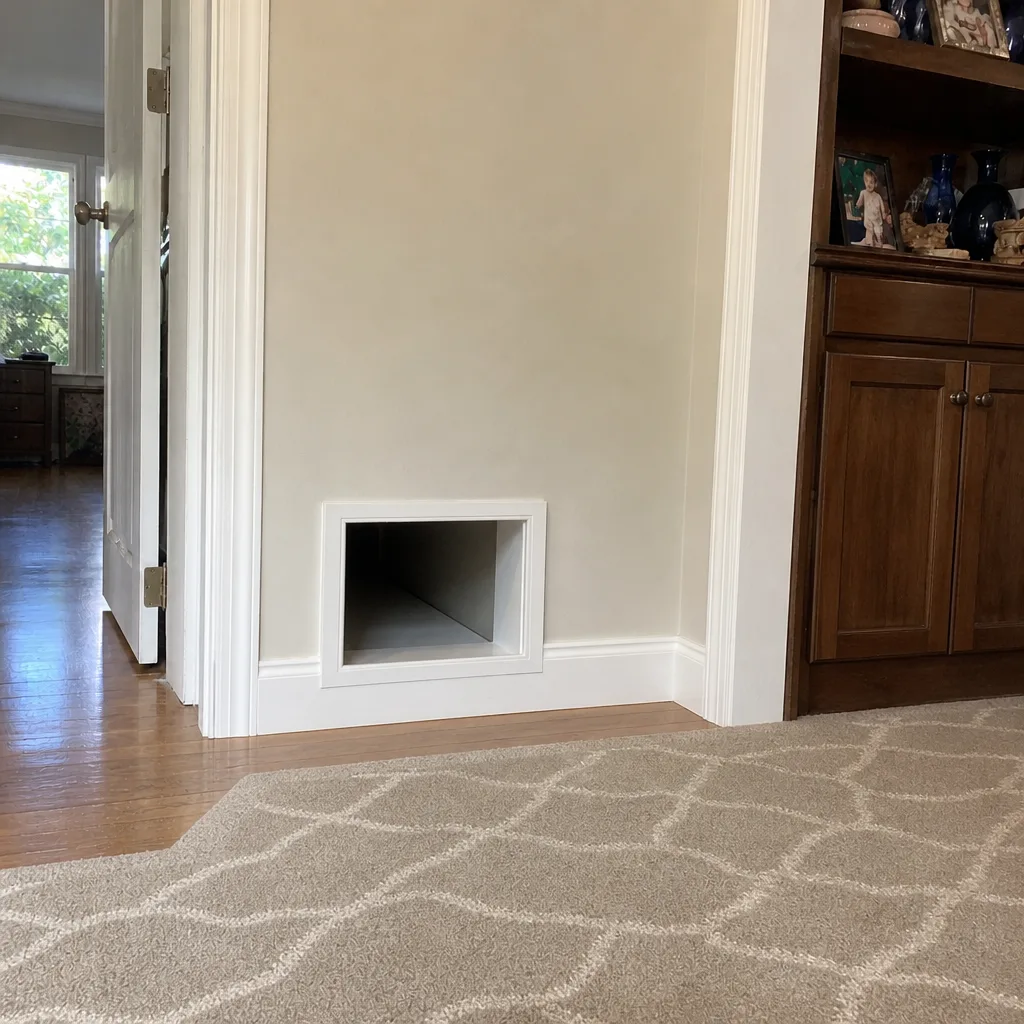 After
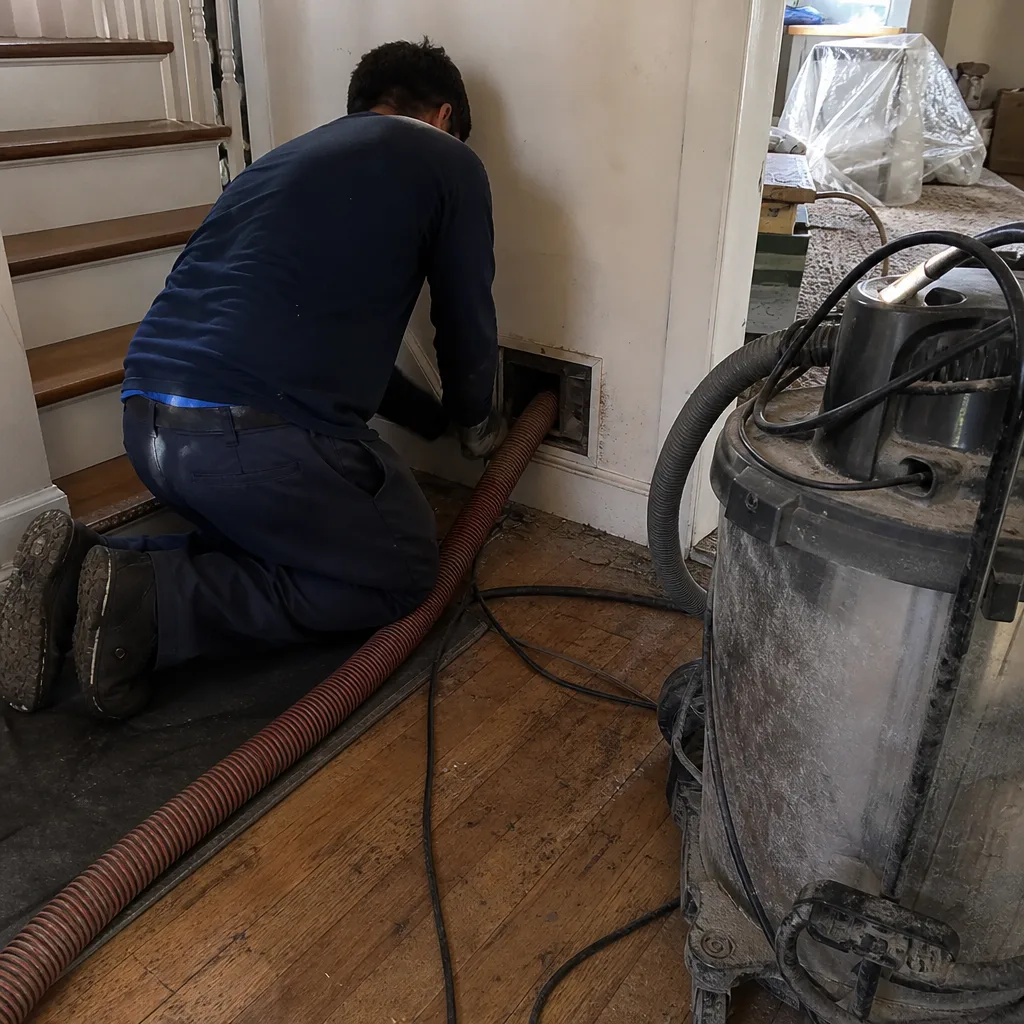 Before
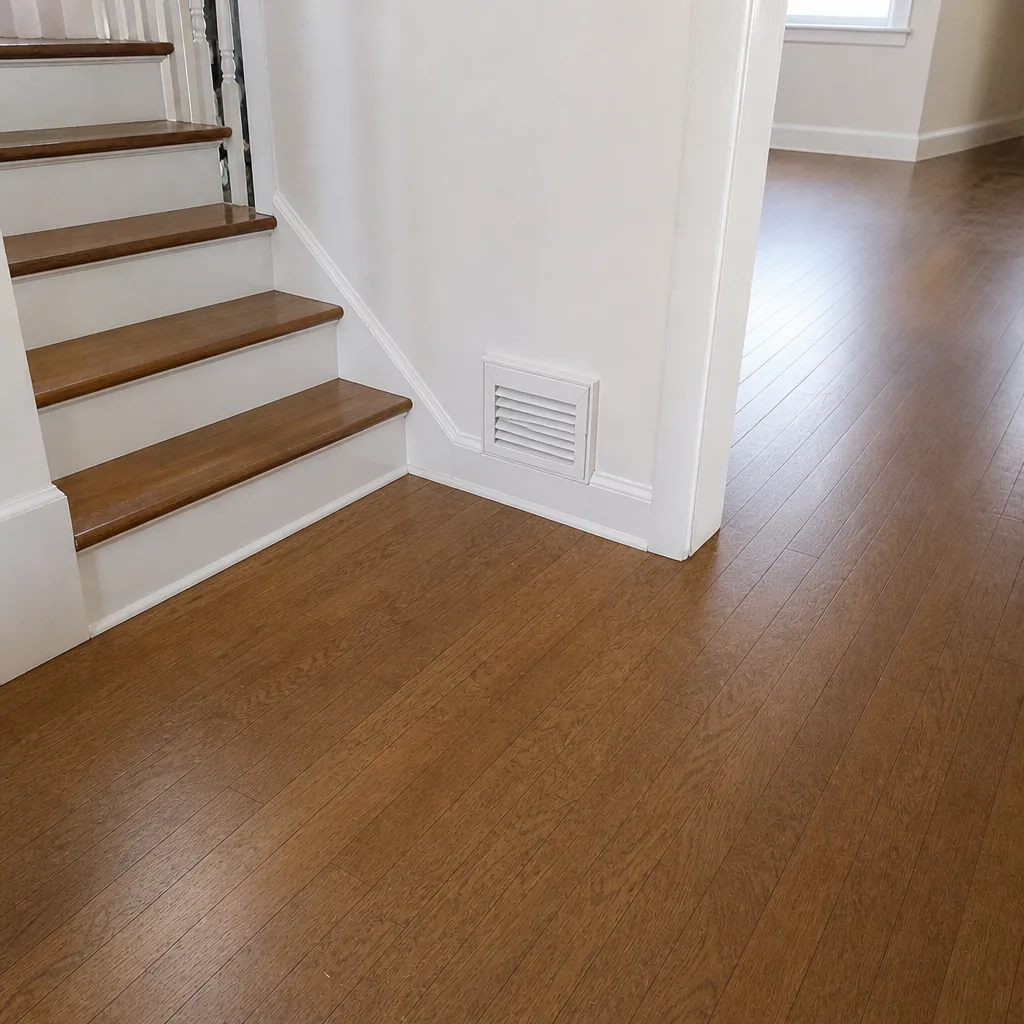 After
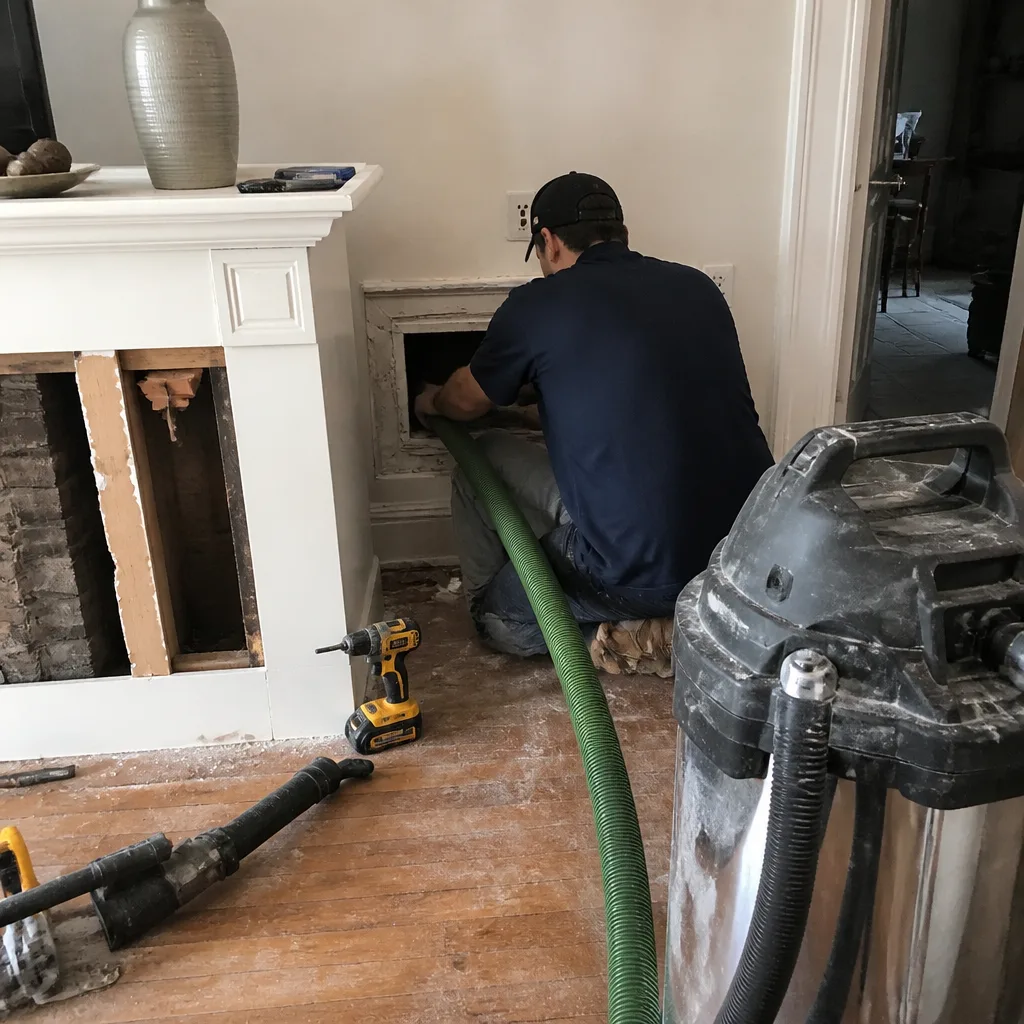 Before
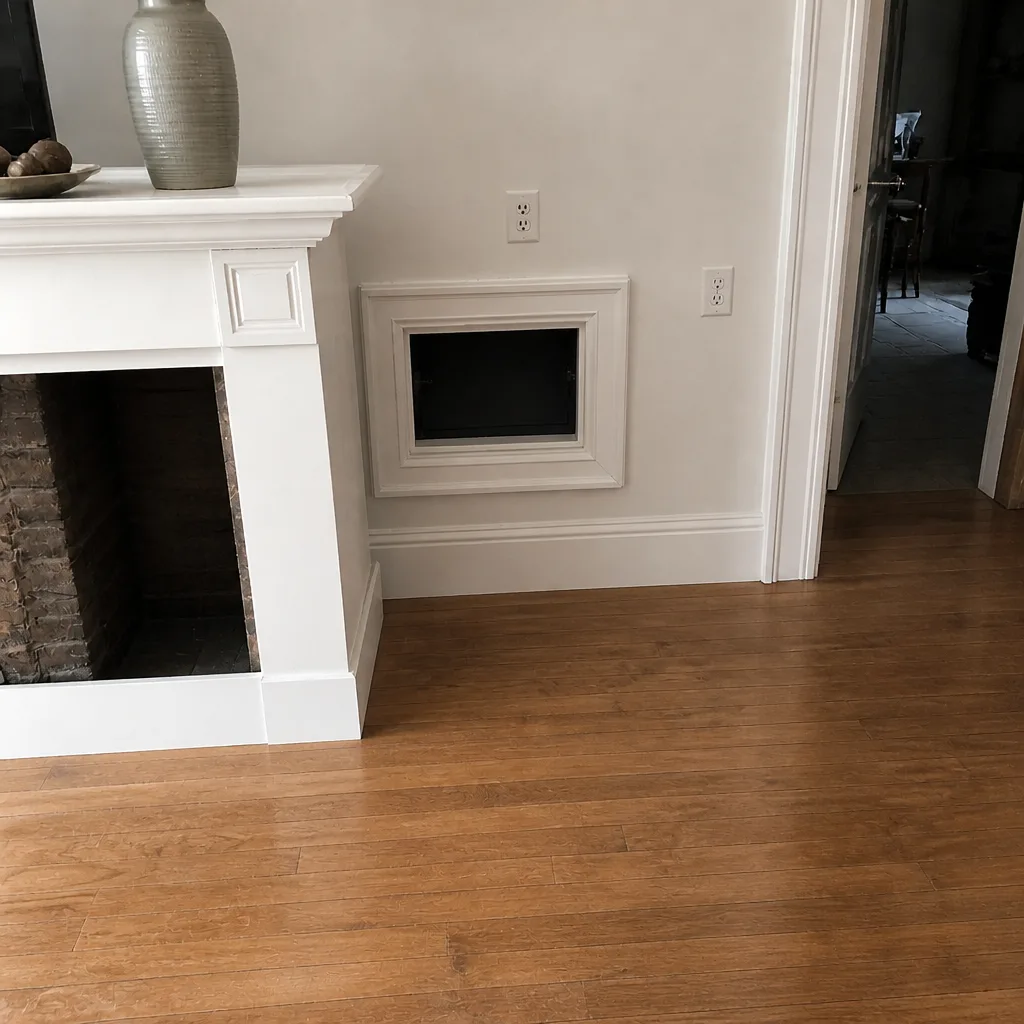 After
When to Call a Professional
Call a professional when you see any sign of contamination beyond surface dust. That includes visible mold, rodent debris, persistent odors from the registers, respiratory symptoms that track with your time indoors, or a co-op or property manager flagging the system. Call also when your heating or cooling bills jump without explanation, when you’re moving into a new Chelsea apartment and don’t know the cleaning history, and after any renovation that produced significant drywall or construction dust. Don’t call for register cleaning, filter swaps, or a quick camera check. Those are yours to handle, and handling them well extends the interval between full cleanings considerably.
If you’re not sure which side of the line you’re on, we’d rather you ask than attempt the wrong job. Chelsea Air Duct Cleaning offers free estimates in Chelsea. Call (866) 979-5520 to book an assessment. We answer 24/7, with fast dispatch from 7am to 7pm, Sunday through Friday.
Frequently Asked Questions
Air duct cleaning in Chelsea is typically priced as one flat price per system, agreed before any work starts, based on the number of supply and return runs, the size of the system, and whether repair, sealing, or sanitizing is included. A single-zone apartment runs less than a multi-zone unit, and any work beyond cleaning is quoted separately in the written estimate. That estimate sets the final price, and you get before-and-after photos of your own ducts so you can see what changed. Call (866) 979-5520 for a free estimate.
You can clean surface dust near a register opening, and that’s the honest limit. A shop vac and brush can’t sustain enough negative pressure through a duct run to remove debris from the walls across the system, and the act of loosening debris without containment just redistributes it. For a Chelsea apartment, that often means dust ends up in adjacent branches or back in the room. The work past the register boot needs professional equipment. Call (866) 979-5520 to talk through what your system needs.
Cheap quotes usually cover only a fraction of the system, omit containment, or skip the vacuum-agitation sequence altogether. In a Chelsea building where ducts run through shared walls and older chases, an incomplete job can leave the contamination in place while still producing a receipt. We don’t quote per vent. We give one flat price per system, agreed before work starts, so you know exactly what’s covered. Call (866) 979-5520 for a free estimate.
How do I know the work was actually done?
<="" p="">
Ask for before-and-after photos of your own duct interiors, not stock images. A serious professional will show you the camera inspection at the start and the post-cleaning inspection at the end, and will walk you through what was found and what was removed. That photographic record is also what a co-op board or property manager often wants on file. Before the work starts, confirm in writing what the flat price covers. Call (866) 979-5520 with any questions before booking.
For most Chelsea homes, every two to four years is a reasonable working interval, with more frequent cleanings if you have pets, allergies, a recent renovation, or a history of moisture problems in the building. A well-maintained system with clean filters and clean registers can push that interval longer. A neglected system or one with prior contamination should be inspected more often. Call (866) 979-5520 if you’re unsure where your apartment sits.
Yes. Consumer brushes and vacuums can dislodge insulation from duct walls, damage flex duct, or introduce moisture into a seam that then leaks. In Chelsea co-ops and condos, damaging a shared riser or chase can create a repair bill that affects neighbors and may not be covered by homeowner insurance. The local professionals we connect you with are licensed and insured as their state requires, and they carry the equipment to work without that risk. Call (866) 979-5520 for a free estimate before touching a shared duct.
The Bottom Line
The DIY vs. professional decision comes down to what your vacuum can physically do. Registers, filters, camera inspections, and light dryer vent maintenance are yours, and doing them well stretches the interval between full cleanings. Source removal inside the duct network requires commercial negative pressure, agitation tools, and containment, and no consumer tool achieves that. In Chelsea’s dense buildings, the gap matters more, because shared ducts and co-op rules raise the stakes on getting it wrong. Contact Chelsea Air Duct Cleaning for a free estimate. Call (866) 979-5520. We answer 24/7, with fast dispatch from 7am to 7pm, Sunday through Friday.
Written by the team at Chelsea Air Duct Cleaning.