
Last updated November 22, 2026
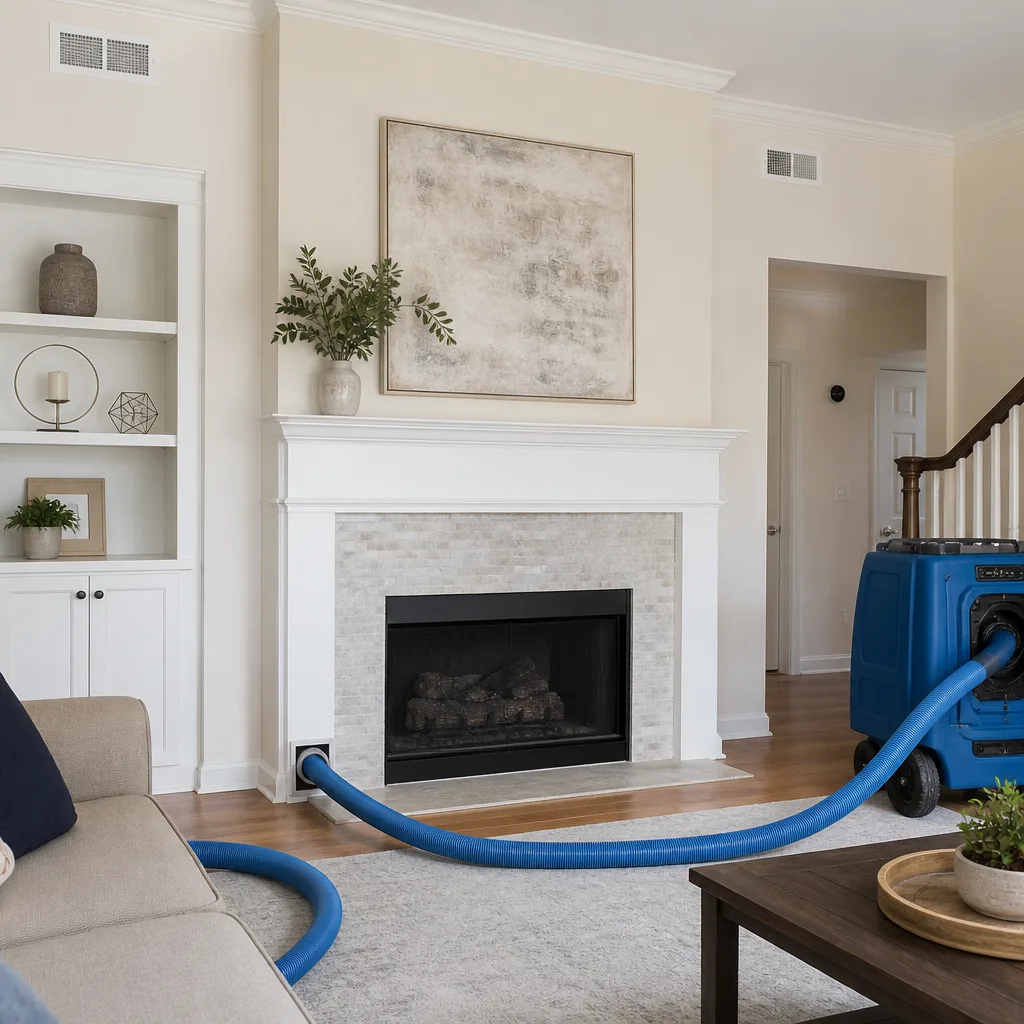 Whole-home duct cleaning
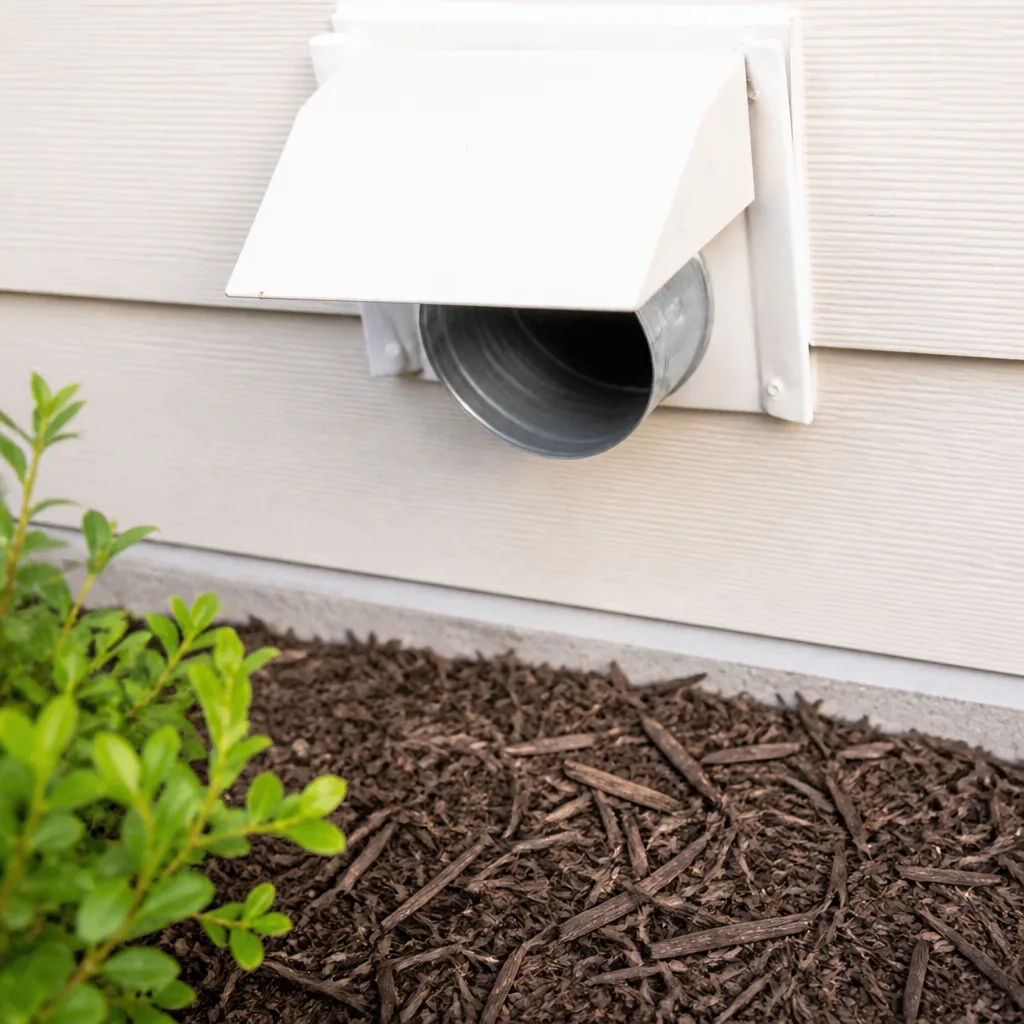 Dryer vent cleaning
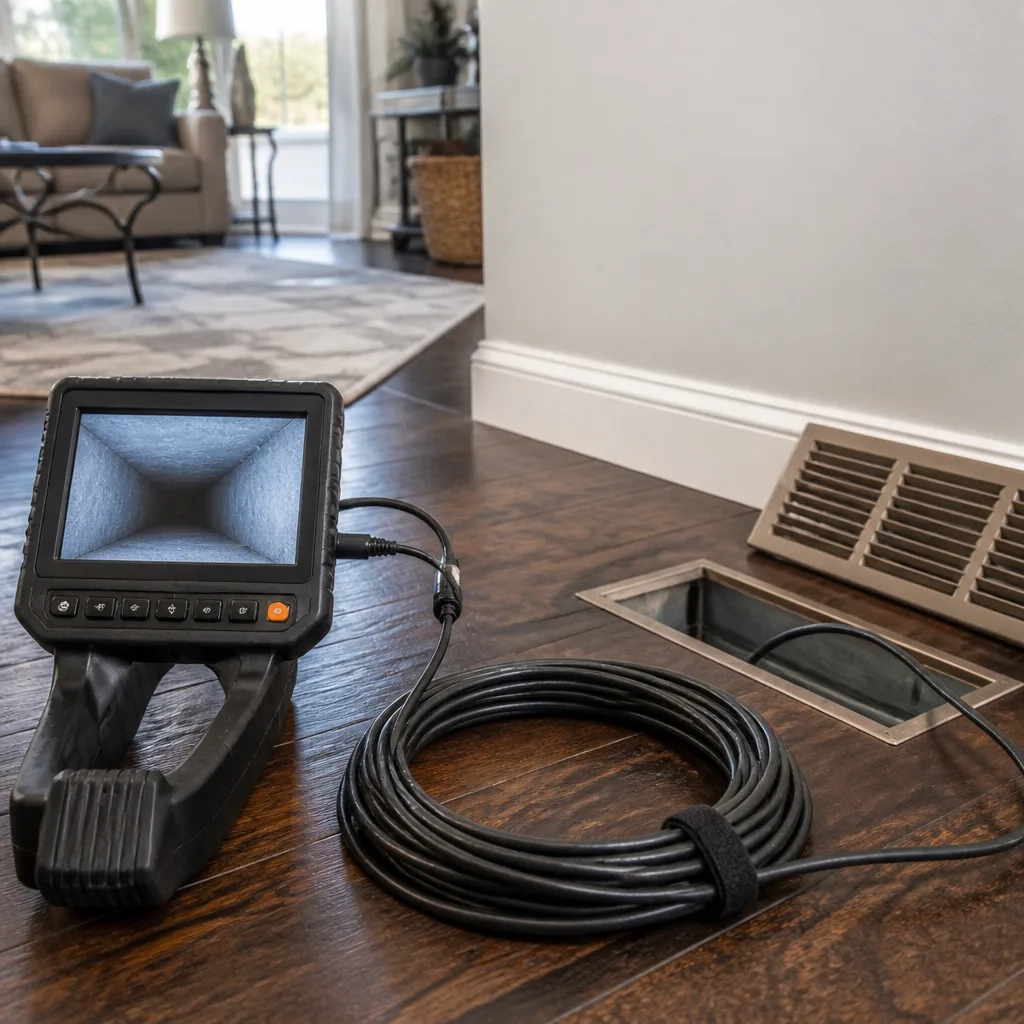 Camera inspection
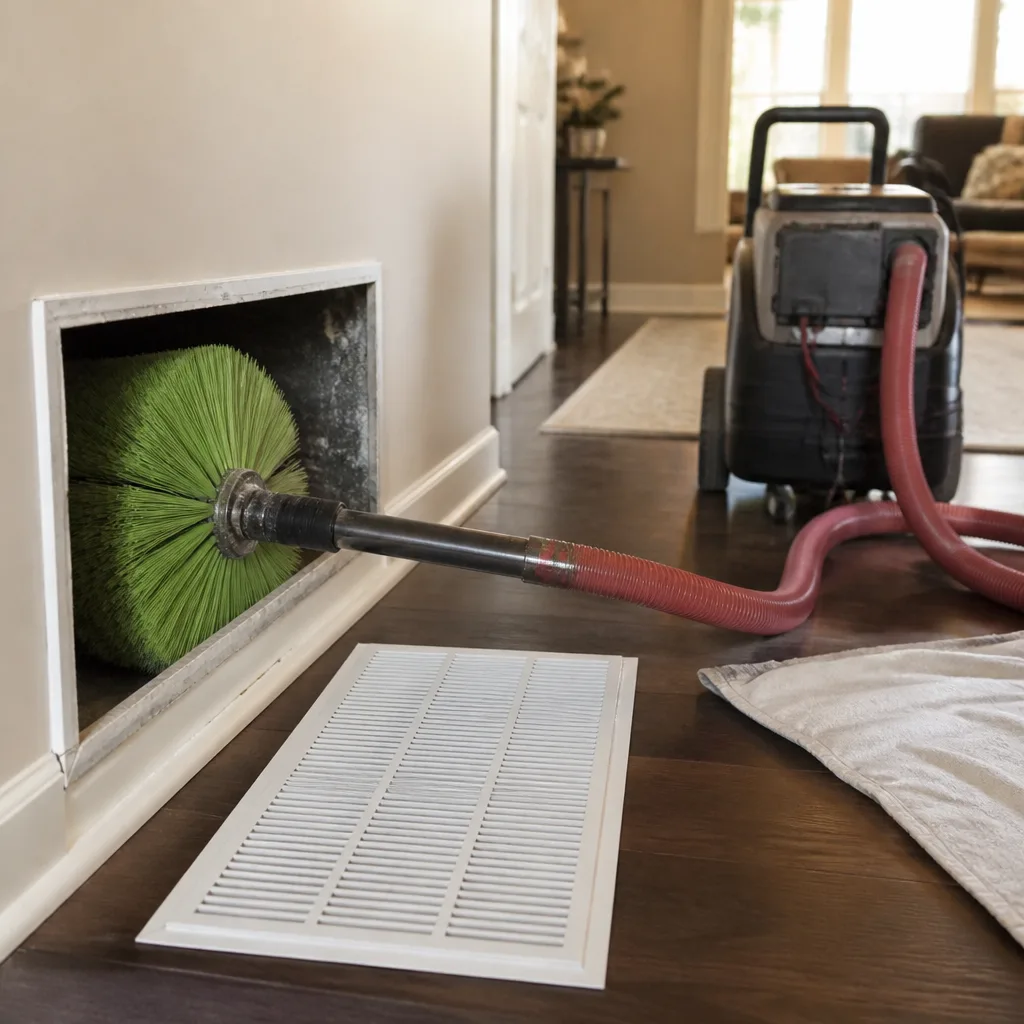 Sanitizing & deodorizing
Whole-system duct and dryer vent check with before-and-after photos - you see exactly what came out of your vents
That "$99 whole-house special" is a bait ad - the real number appears once they are in your hallway, or the "clean" is a shop-vac at the register. We photograph the inside of your ducts before and after instead.
Air Duct Cleaning Warning Signs: A Chelsea Homeowner’s Reference Guide
Most people looking for signs that their ducts need cleaning are watching for the wrong things. They expect to find mold on a vent cover or hear something moving in the walls, and when they don’t, they assume the system is fine. But the clearest signals usually aren’t dramatic. They show up as dust that settles faster than it used to, a room that never quite warms up, or a faint smell you can’t place. This guide is about reading those quiet signals correctly. We’ll cover what each one points to inside the system, how to tell a filter problem from a duct problem, and which warnings mean call now versus schedule soon. Everything here comes from what we see across Chelsea apartments and buildings.
Quick Answer
The main warning signs that air ducts need attention are increased dust settling on surfaces, musty or metallic odors when the system runs, uneven room temperatures, visible buildup around vent covers, and a recent renovation that pushed dust into the system. Musty smells or signs of pests are urgent. Gradual dust and airflow changes are scheduled-service indicators. In Chelsea, post-renovation dust and adhesive odors are among the most common reasons a duct system gets fouled in the first place.
Styles & brands we work with
- Whole-home duct cleaning
- Dryer vent cleaning
- Camera inspection
- Sanitizing & deodorizing
Table of Contents
- Why More Dust Usually Means Ducts, Not Dirt
- Filter-Level Problems vs. Duct-Level Contamination
- The Smell Taxonomy: What Each Odor Tells You
- Uneven Room Temperatures and Partial Blockage
- Warning Signs in Post-Renovation Chelsea Units
- Urgent vs. Scheduled: Ranking Your Warning Signs
- Common Mistakes to Avoid
- When to Call a Professional
Why More Dust Usually Means Ducts, Not Dirt
When dusting goes from once a week to every other day, the instinct is to blame the apartment. More foot traffic, open windows, a new rug. But if your habits haven’t changed and the dust keeps returning, the system is the more likely source. Your ducts are a closed loop that pushes air into each room. When that loop holds a layer of accumulated particulate, every time the blower runs it lifts some of that material and redistributes it across the living space. You aren’t getting dirtier. Your system is doing the dusting for you.
This pattern is easy to confirm with a quick check. Wipe a hard surface, then note how quickly the same film returns. If it’s back within a day or two and the room isn’t unusually busy, the source is likely upstream of the room. Look at the return grille, the large intake that pulls air back into the system. A return covered in a visible felt of grey dust is telling you something. So is dust that settles on horizontal surfaces near the vents before it shows up across the rest of the room.
In Chelsea, we see this often in older apartment stock where the original ductwork has been through a few rounds of light renovation over the years but never a full clean. Seams that were never properly sealed let in fine dust from wall cavities and mechanical chases. That material settles where the airflow is slowest, usually in the branch runs to bedrooms and home offices, and gets pushed back into the air with every cycle. Cleaning the ducts without repairing and sealing those seams means the same problem returns. That’s why our scope runs from cleaning through repair and sealing, not surface debris removal alone.
A proper read of the system uses professional-grade equipment to inspect and then extract. We use Rotobrush and Nikro duct cleaning systems built for this work, not consumer vacuums or improvised tools, because the goal is to remove what’s lodged in the duct walls, not just loosen it.
Filter-Level Problems vs. Duct-Level Contamination
Not every dust problem starts in the ducts, and knowing the difference saves you from paying for the wrong service. The filter is the first line of defense. The ducts are what happens downstream of it. Here’s how to tell them apart with a few checks you can do yourself.
- Check the filter condition. A filter that’s grey and matted well before its expected replacement window is loading up fast. That can mean the filter is undersized for the system or the surrounding air is unusually dirty, but it doesn’t by itself prove the ducts are contaminated.
- Look past the filter at the blower and the plenum. If the filter looks reasonable but the metal just past it is coated in dust, the contamination is already inside the system. That’s a duct-level signal.
- Watch airflow at the registers. Hold a tissue at a supply vent. If it flutters weakly compared to other rooms, that branch run may be partially blocked. Weak flow at one register and normal flow at another points to duct problems, not filter problems.
- Trace where the dust settles. Filter-level dust tends to build near the return. Duct-level dust shows up at supply registers, on vent covers, and on surfaces throughout the room.
- Note the smell. A dirty filter has almost no smell. A contaminated duct, particularly one with moisture, often does. Smell is the fastest way to separate the two.
For Chelsea homeowners, the practical takeaway is simple. Changing a filter is a routine task. If a new filter doesn’t stop the dust within a couple of weeks, the problem is inside the ducts, and that’s where air duct cleaning comes in. If you’d rather not guess, a free estimate from our team will settle it quickly.
The Smell Taxonomy: What Each Odor Tells You
Smell is the most underused diagnostic tool a homeowner has. You know your apartment’s normal smell. When the air changes, it’s telling you something specific about the system. Here’s a quick taxonomy of the common odors and what each one usually points to.
- Musty or earthy: This is the classic sign of moisture in the system. Damp conditions inside a duct let microbial growth take hold, and the smell gets carried into every room. This is one of the urgent signs. It warrants prompt attention and sanitizing with products from a trusted line like Honeywell or Aprilaire.
- Metallic: A sharp, tinny smell often comes from corrosion inside older galvanized ductwork or from metal components reacting with moisture. On its own it’s not an emergency, but it signals a duct interior worth inspecting.
- Burning or hot plastic: That’s a system-level concern and shouldn’t be ignored. Turn the system off and get someone to look at it right away. Burning smells usually mean the HVAC equipment or its wiring, not the ducts, and warrant prompt attention.
- Chemical or new-paint smell: Common after a renovation when adhesives and finishes are still curing and their volatile compounds get pulled into the return and pushed through the house. It’s not dangerous on its own, but it’s a strong sign the system needs cleaning to stop distributing those compounds.
- Stale or heavy air: Sometimes the honest answer is that the system is just recirculating the same old air through a dirty network. Cleaning and a fresh filter get you back to neutral.
If you can’t place the smell, describe it when you call. “It smells like the inside of a basement when the heat kicks on” gives us more than “it smells weird,” and it helps us bring the right equipment for the job.
Uneven Room Temperatures and Partial Blockage
A bedroom that runs five degrees cooler than the living room is easy to write off as “old building, old system.” And sometimes that’s true. But before you accept it as a fact of your Chelsea apartment, consider that uneven temperatures are a classic symptom of partial blockage inside a branch run. If one duct serves the cold room and air can’t move through it freely, the room will never quite get there no matter how long the system runs.
The pattern matters more than a single reading. Here’s what to watch for:
- One room is consistently off, not just on cold days.
- The weak register is weaker in heating season than in cooling season, or the reverse, because the same duct is fighting to move air in both directions.
- The weak room improves when you close a register elsewhere in the apartment, which temporarily raises pressure in the shared trunk.
- You can hear a soft whooshing or rattling restricted at one vent compared to the others.
When the pattern lines up with these, the problem is likely inside the duct, not the equipment’s sizing. A full-system cleaning addresses the blockage. If the ducts are also leaking at seams, sealing them restores the pressure the rooms need. That combined scope is one of the reasons we handle cleaning and repair together.
One caution: don’t try to diagnose a blockage by dismantling a duct run. It’s easy to damage flexible duct or unseal a joint and make the leakage worse. A trained technician has the camera and the pressure readings to find the real restriction quickly.
Warning Signs in Post-Renovation Chelsea Units
Renovations are one of the most reliable triggers for duct contamination, and Chelsea has been through a lot of them. A unit that was a rental five years ago and is now a renovated family apartment has usually had walls opened, flooring replaced, and finishes refreshed, all while the HVAC system was running nearby or sitting idle and unsealed. That leaves a specific set of warning signs.
- Drywall dust in the system. Sanding and finishing push fine gypsum dust into the air, and the return pulls it into the ducts. It settles in branch runs and gets pushed back into rooms weeks after the contractor leaves.
- Adhesive and finish off-gassing. New cabinets, flooring, and paint release compounds that the HVAC then distributes through the apartment. If the air feels “new” in a chemical way, the system is moving that off-gas around.
- Construction debris at the return. Bits of insulation, drywall, and cap fasteners sometimes end up inside ducts or against the return grill and were never removed at the end of the job.
- A recent change in allergies or congestion. When the air quality in a freshly renovated unit drops, occupants often feel it weeks later. That’s the signal to look at the ducts.
- Visible build-up at supply registers even though the opening is new. New faces on old ducts pick up the old load.
Post-renovation cleaning is a scheduled-service indicator, not usually an emergency. But it shouldn’t wait a full year. The sooner the construction dust is pulled out, the less of it gets drawn into the blower and then recirculated. We bring Abatement Technologies air filtration equipment to control airborne debris during the cleaning itself, so the work doesn’t reintroduce particulate into the home while we’re removing it.
Urgent vs. Scheduled: Ranking Your Warning Signs
Not every sign carries the same weight, and treating them all the same wastes money or, worse, delays action on a real problem. Here’s how we sort them. This is the ranking that matters most when you’re deciding whether to call today or put it on the list for later.
- Urgent – suspect microbial growth. Musty or damp smell, visible dark staining around a register, or a moisture event in the building. Mold needs moisture to grow, so find the source and get the system assessed promptly. We can sanitize and treat, but the moisture problem has to be addressed too.
- Urgent – pest activity. Droppings around a return, scratching sounds when the system runs, or a smell that’s more like decay than mildew. Rodents use duct runs and wall cavities as highways. A cleaning alone won’t solve it; the entry points need to be plugged. We assess and then recommend the right scope.
- Scheduled soon – visible dust at registers or on vent covers after a recent renovation. Get this done within a few weeks to keep the load from spreading deeper into the system.
- Scheduled – gradual increase in household dust, uneven room temperatures, weak airflow at one branch. Worth cleaning and sealing on a planned basis.
- Monitor – mild seasonal dust bumps or a whiff at the start of the heating season. Keep an eye on it, and revisit the filter schedule.
If you’re unsure where a sign falls, call it in. It’s free to get an estimate, and we’d rather tell you it’s nothing than have you assume a warning is minor when it isn’t.
Common Mistakes to Avoid
- Assuming a filter change fixes everything. It fixes filter-level dust. If the dust returns within two weeks, the ducts are the source and a filter swap won’t reach them.
- Waiting for visible mold. By the time dark staining shows at a register, the problem is well established. Smell is a more reliable early signal.
- Cleaning after a renovation but skipping the sealing. New dust finds the same seams the old dust did. If the ducts leak, they’ll contaminate again. We clean, repair, and seal for that reason.
- Treating uneven room temperature as only an equipment issue. Ask whether airflow is restricted before assuming a new unit is the answer. In older Chelsea stock, it often isn’t.
- Dismissing a pest smell as a duct-cleaning job. A cleaning removes the debris; it doesn’t remove the mice. Sort out the entry points first.
- Skipping the dryer vent. It’s easy to forget while thinking about air ducts, but it’s a separate and important system. If the dryer takes longer than it used to, dryer vent cleaning is the right call, not a repair visit.
- Hiring solely on a low advertised price. Professional duct cleaning uses purpose-built equipment and takes time. If a quote is far below the rest, ask what it actually covers inside the system.
See the difference
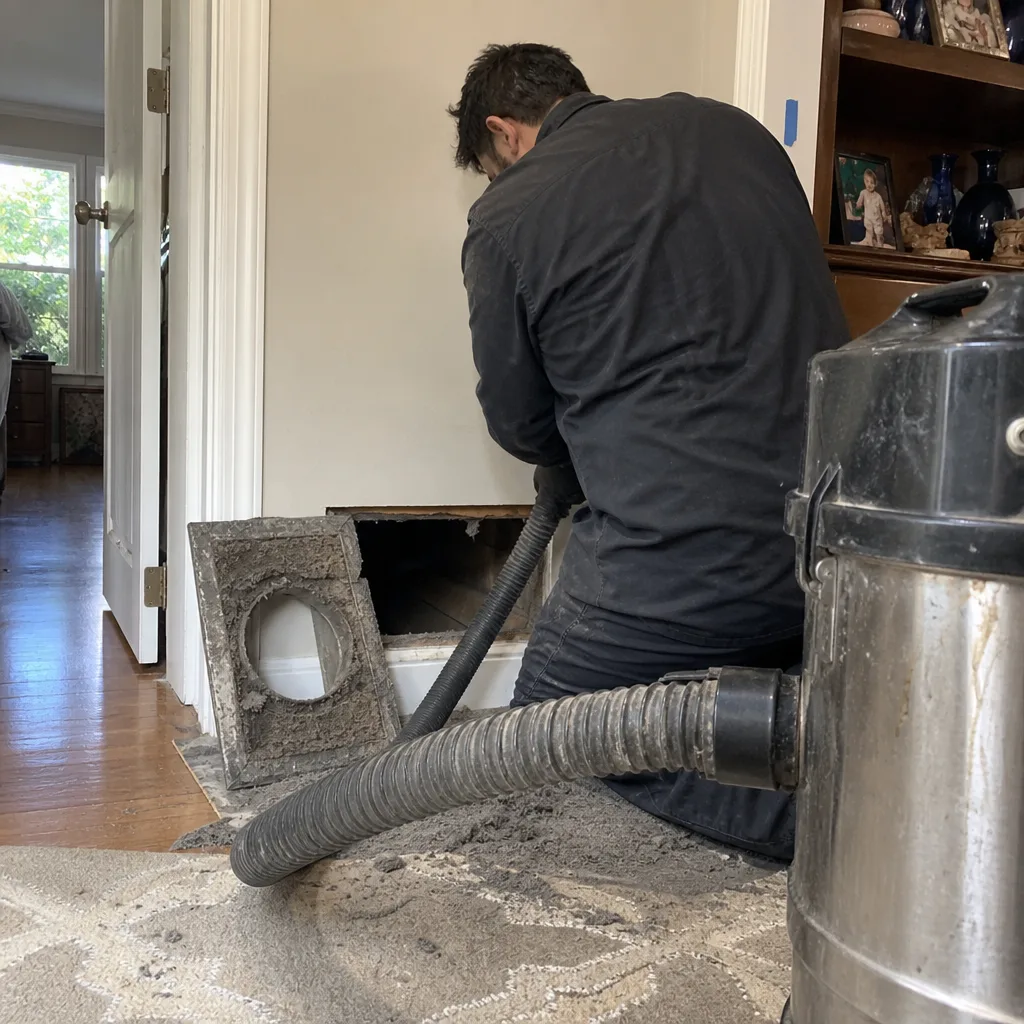 Before
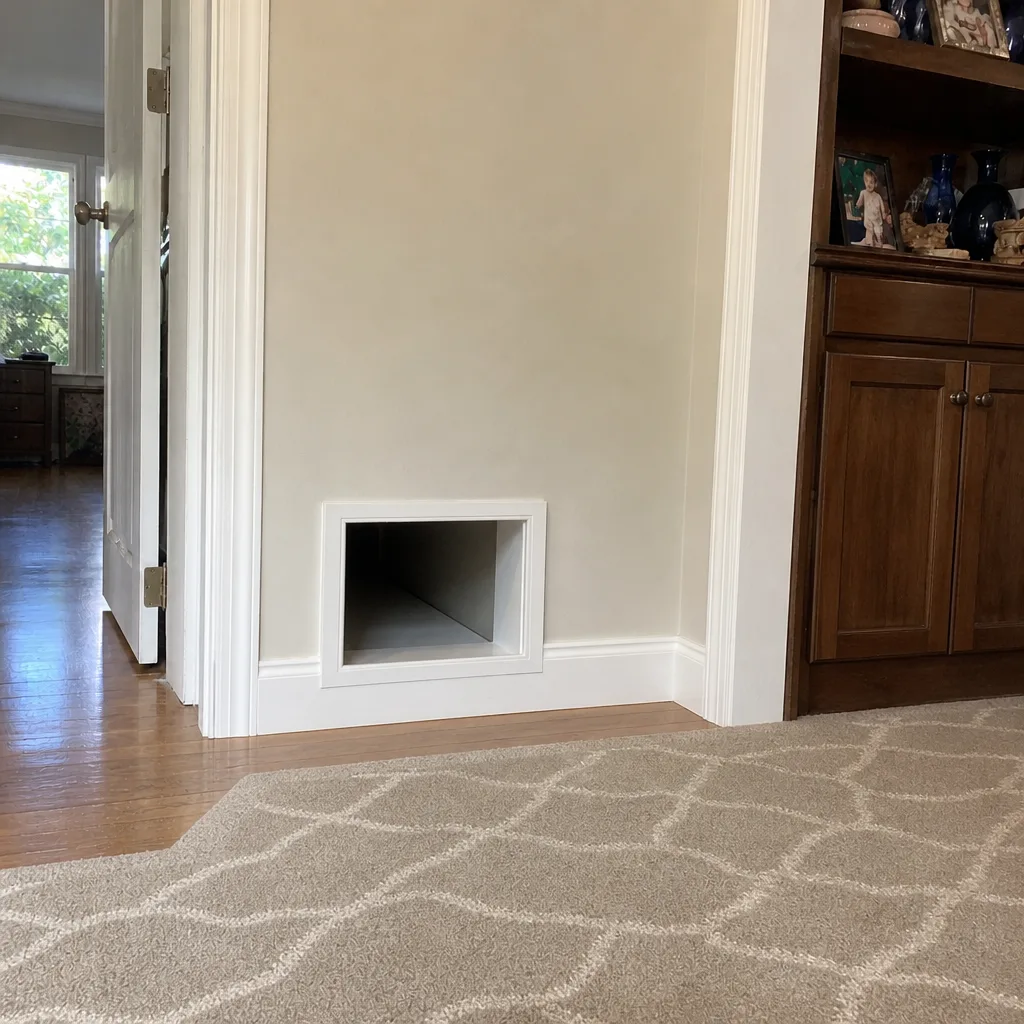 After
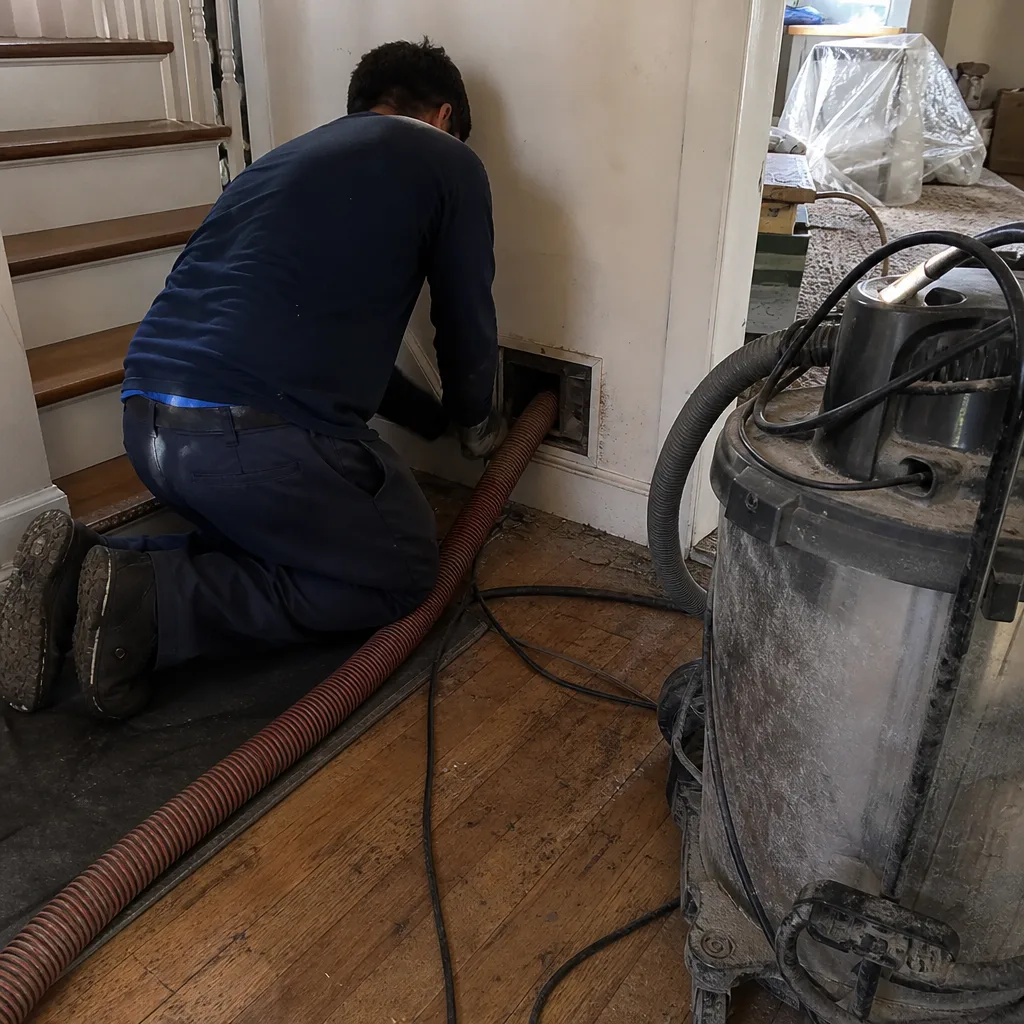 Before
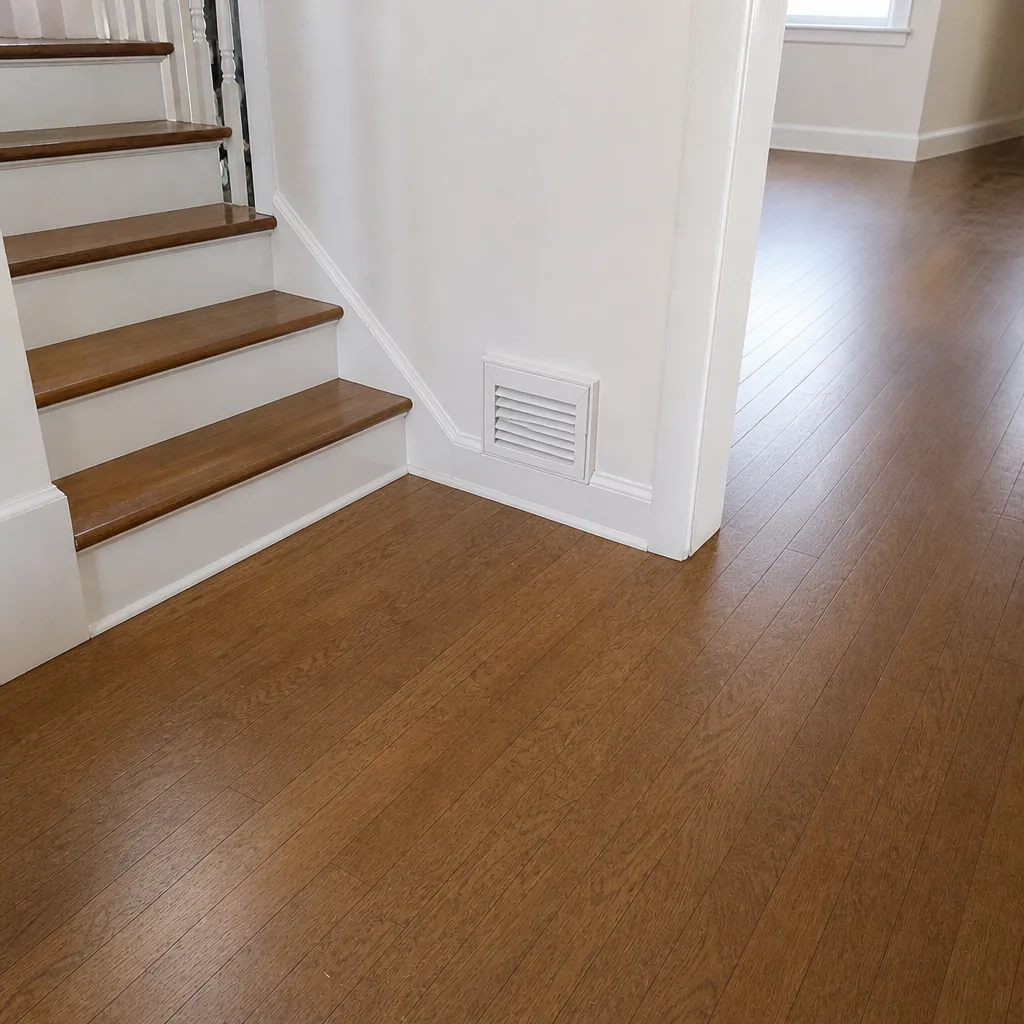 After
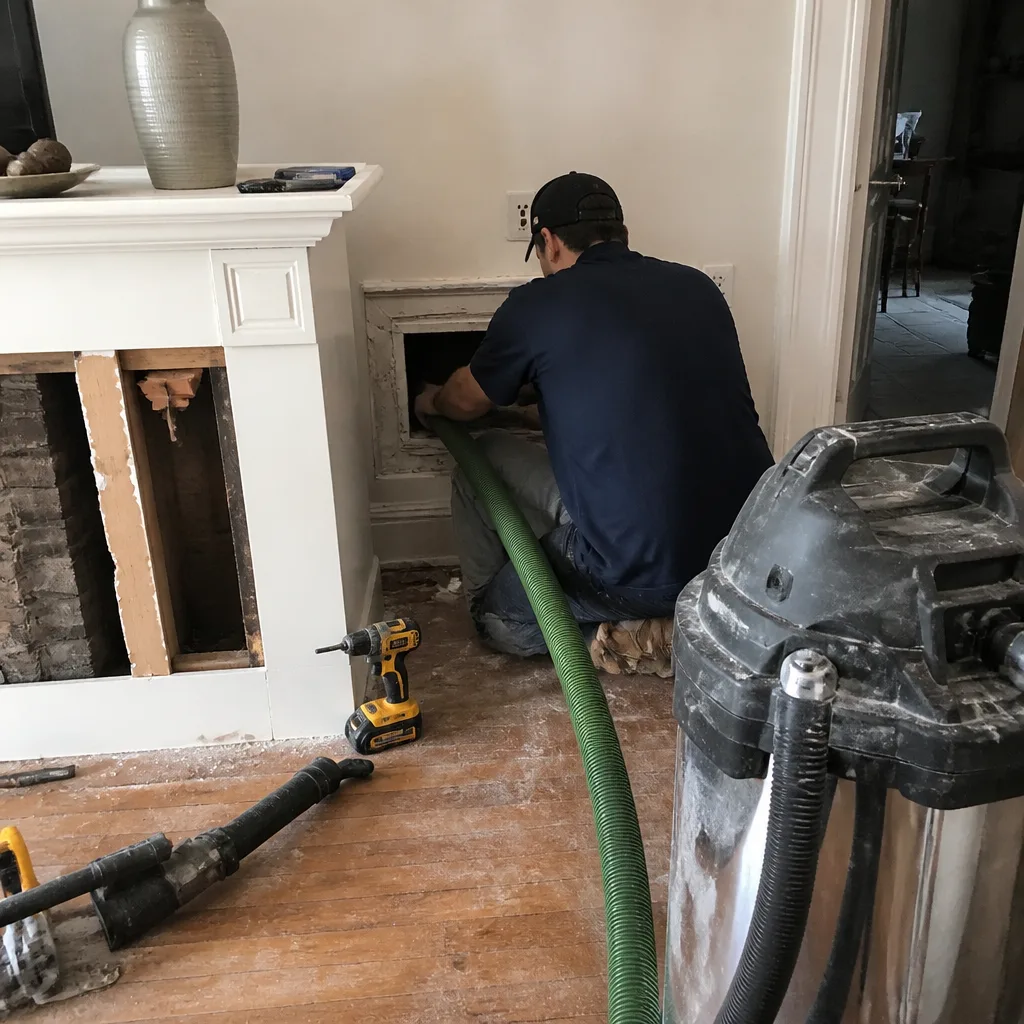 Before
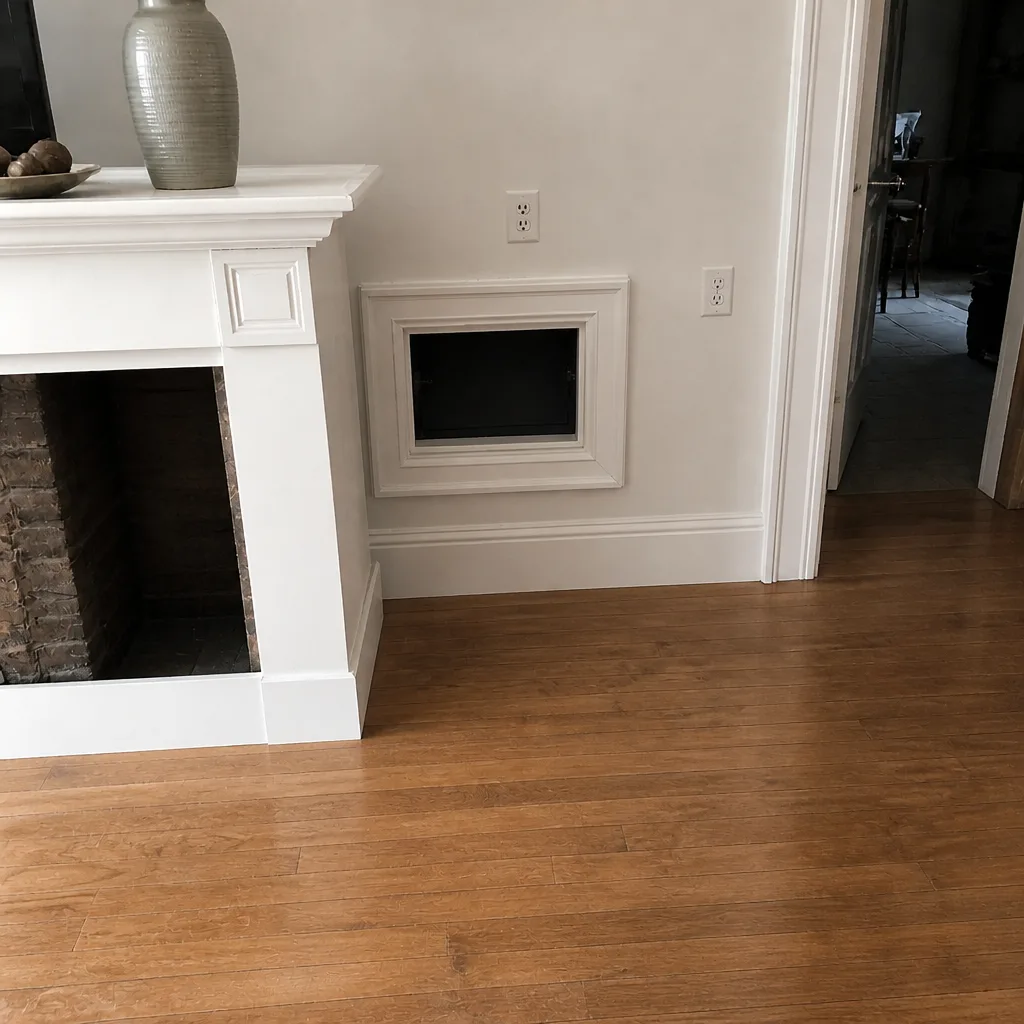 After
When to Call a Professional
Some signs are worth a look from a trained technician. Musty smells and any suspicion of mold or rodents are at the top, because those can affect health and building integrity, not just comfort. Next are persistent dust that a fresh filter doesn’t fix, one room that’s consistently off in temperature, and any post-renovation system with visible dust or chemical smell. Finally, a dryer that takes longer to finish a load. That’s a safety issue, not a comfort one.
If you’re nodding at any of these, the fastest path is a call. Chelsea Air Duct Cleaning offers free estimates in Chelsea, and we can walk you through what to expect before any work starts. Call (866) 979-5520. We answer 24/7. Fast dispatch from 7am to 7pm, Sunday through Friday.
Frequently Asked Questions
For most Chelsea apartments, every three to five years is a reasonable starting point, with a clean sooner after a renovation or any moisture or pest event. Homes without pets or heavy dust loads can sometimes stretch that, and households with allergies, pets, or recent construction are usually closer to every two to three years. Watch the signs above and let the system tell you rather than following a fixed clock. Call (866) 979-5520 for an exact quote based on your system, and estimates are free.
A typical residential whole-system cleaning in Chelsea falls in a broad range that depends on how many branch runs the system has and how heavy the contamination is. Because we price per job by written estimate rather than per vent, you’ll know the full figure before any work starts. Factors that move the estimate include the number of registers and returns, whether repair or sealing is needed, and whether sanitizing is included. Call (866) 979-5520 for an exact quote; estimates are free.
Low quotes often cover a fraction of the job, sometimes a surface vacuum of the main trunk without cleaning the individual branch runs, or without the equipment to reach deeper contamination. When the technician is on site, the scope expands and the price climbs past the original figure. The way to avoid that is to insist on one flat price per system, agreed before work starts, so the total you hear is the total you pay. Call (866) 979-5520 for an exact quote; estimates are free.
Ask for before-and-after photos of your own ducts, not stock photos from a brochure. On a legitimate job, the technician can show you the register openings and the interior of the branch runs before and after, and the change should be visible. Ask what equipment they use; purpose-built duct cleaning systems named on the invoice are a good sign, whereas “a shop vacuum and a brush” is not. Call (866) 979-5520 for an exact quote; estimates are free.
Contaminated ducts don’t cause illness on their own, but they can aggravate conditions for people with asthma or allergies, and moisture-driven microbial growth inside a duct is worth treating promptly. The strongest warning signs are musty smells and visible damp staining, which point to moisture that needs addressing. If that’s what you’re seeing, get it assessed. Call (866) 979-5520 for an exact quote; estimates are free.
Our full scope covers HVAC cleaning, the supply and return ducts, and, when needed, repair and sealing, plus air quality sanitizing with products from Honeywell and Aprilaire. We use Rotobrush and Nikro equipment and Abatement Technologies filtration to control airborne debris during the work. Dryer vent cleaning is a separate dedicated service, because it’s a safety system in its own right. You can see the whole picture on our Chelsea Air Duct Cleaning main page, or call (866) 979-5520 for an exact quote. Estimates are free.
The Bottom Line
The warning signs of a duct problem are quieter than most people expect, and that’s why so many systems go unread for years. Increased dust that a fresh filter doesn’t stop, one room that’s always slightly off, a smell that shows up when the system runs, or a recent renovation that sent debris into the return: these are the signals that matter. Musty smells and pest activity are urgent. Gradual dust and airflow changes are scheduled-service signals. If you can read them correctly, you’ll clean when the system needs it rather than on a guess. Our team is here to help you sort them out.
Call (866) 979-5520. We answer 24/7. Fast dispatch from 7am to 7pm, Sunday through Friday.
Written by the team at Chelsea Air Duct Cleaning.