
Last updated November 22, 2026
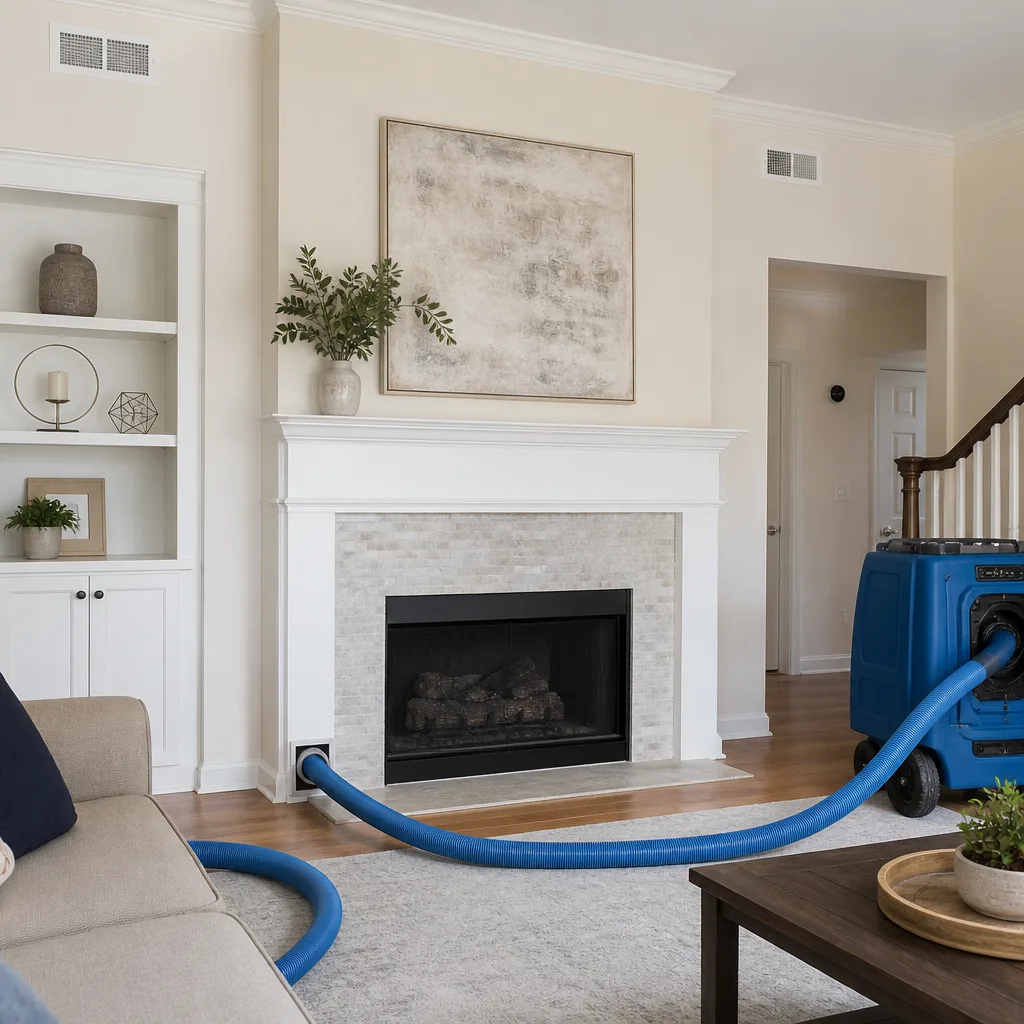 Whole-home duct cleaning
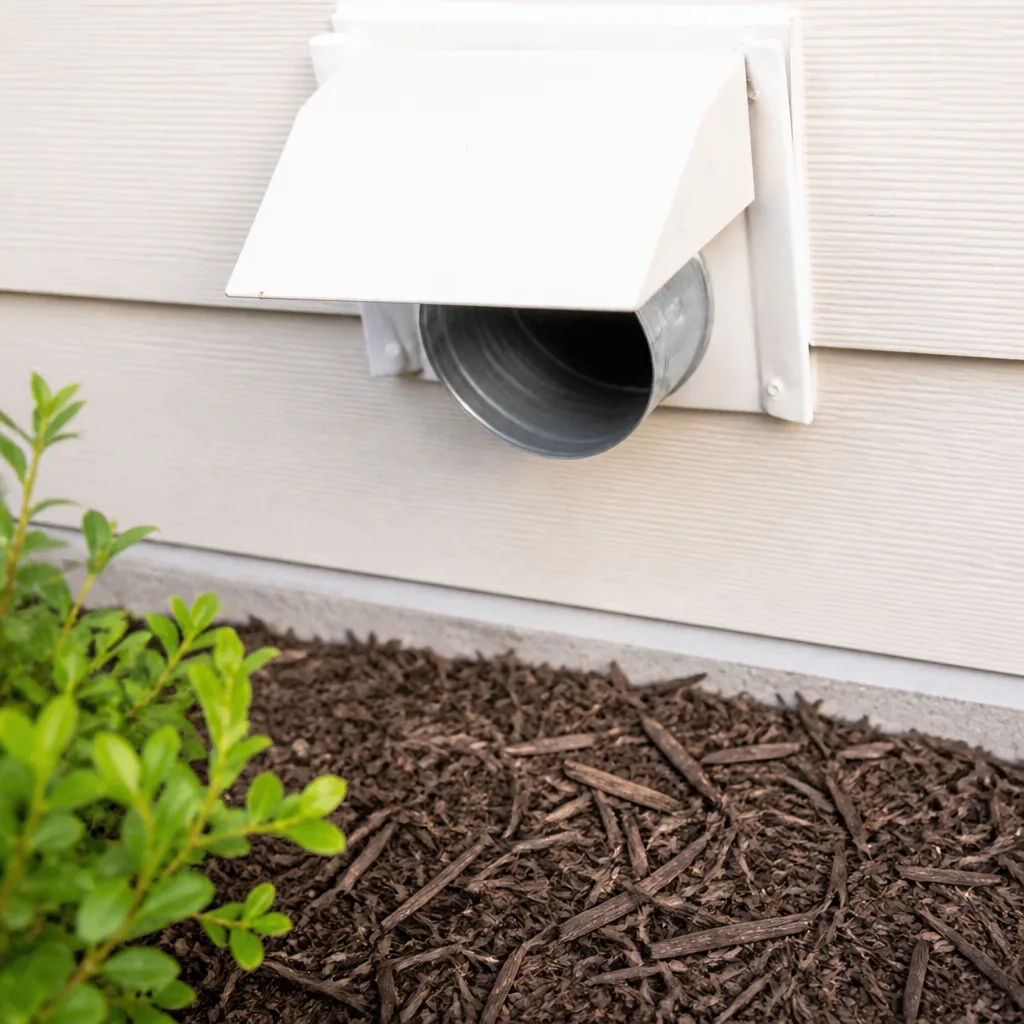 Dryer vent cleaning
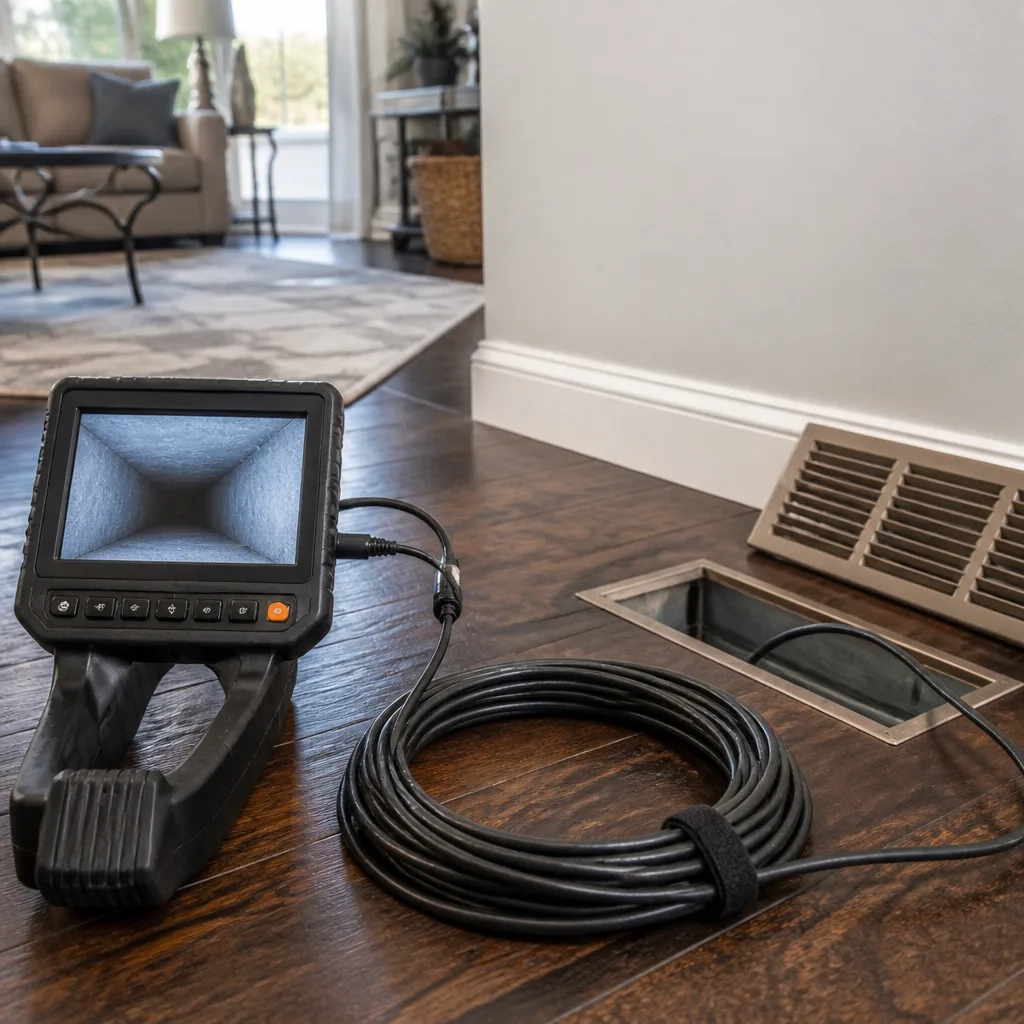 Camera inspection
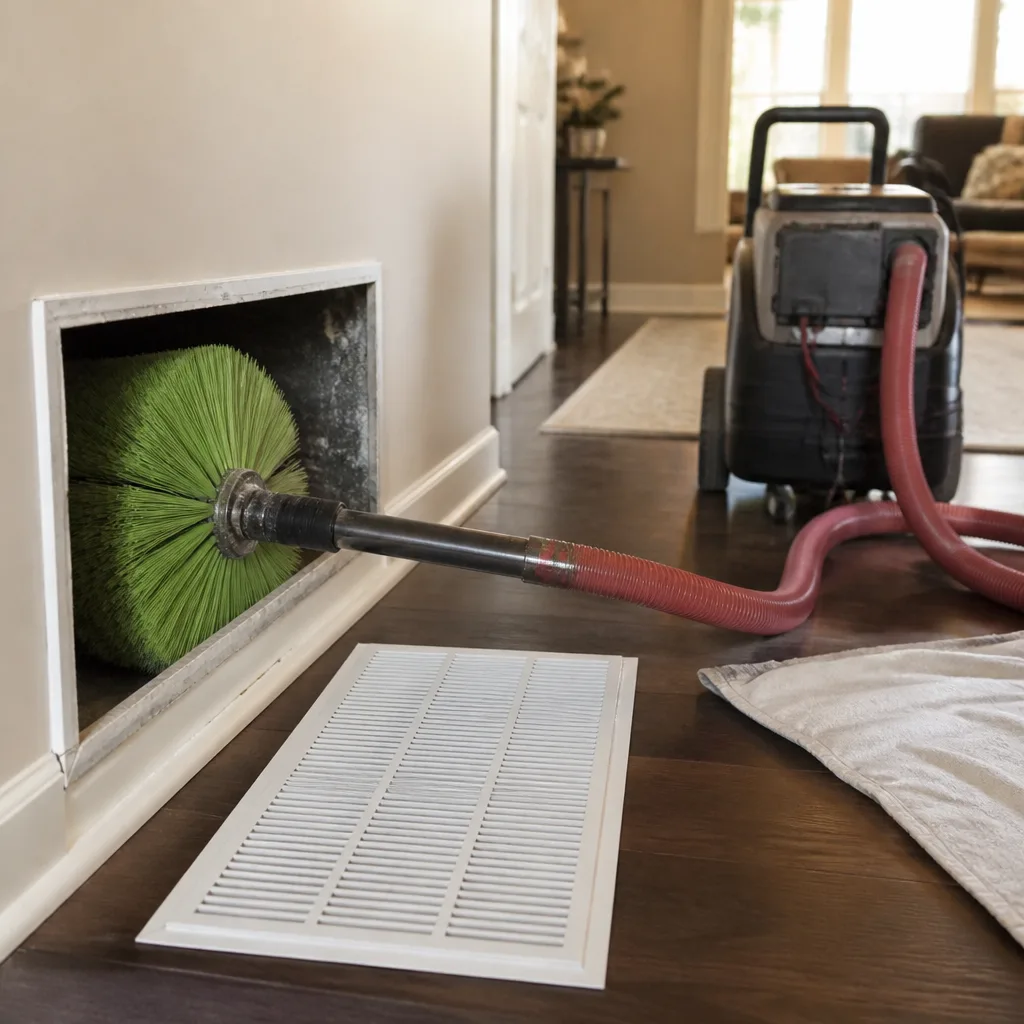 Sanitizing & deodorizing
Whole-system duct and dryer vent check with before-and-after photos - you see exactly what came out of your vents
That "$99 whole-house special" is a bait ad - the real number appears once they are in your hallway, or the "clean" is a shop-vac at the register. We photograph the inside of your ducts before and after instead.
Choosing the Right Air Duct Cleaning Brand: A Buyer’s Guide for Chelsea
Most national duct cleaning franchises built their playbooks for suburban houses with basements, straight duct runs, and a driveway to park a truck in. Then they apply that same playbook to a pre-war Chelsea walkup with non-standard duct routing and a service entrance on a narrow side street. The protocol doesn’t bend to the building, so the contamination you’re actually paying to remove stays where it was. This guide is about matching a company’s equipment, protocol, and urban experience to the specific demands of your Chelsea building, whether that’s a brownstone conversion, a mid-rise co-op, or a loft with the original ductwork still in the ceiling. We’ll cover what to ask, what to look for, and what separates a remediation-level operation from a crew with a shop vac and a coupon.
Quick Answer
The best air duct cleaning company in Chelsea is the one whose equipment fits your building’s access, whose protocol was built for urban duct routing rather than suburban layouts, and who can show post-cleaning verification of what was removed. For most Chelsea buildings, that means a full-system indoor air quality specialist with portable, HEPA-filtered vacuum equipment and source-control air filtration, plus the ability to clean, repair, seal, and sanitize the whole network, not just the visible registers. Ask for references from buildings like yours, not just NYC addresses, and confirm how they verify the work afterward.
Styles & brands we work with
- Whole-home duct cleaning
- Dryer vent cleaning
- Camera inspection
- Sanitizing & deodorizing
Table of Contents
- Why Chelsea Buildings Punish Standard Protocols
- Equipment: Truck-Mounted vs. Portable Systems
- Why Full-System Specialists Beat Single-Service Crews
- Post-Cleaning Verification: The Step That Separates Companies
- The Questions That Reveal a Company’s Real Experience
- One-Time Transaction vs. Ongoing Relationship
- Red Flags Specific to Chelsea Buildings
- Scope and Pricing: What a Fair Estimate Looks Like
Why Chelsea Buildings Punish Standard Protocols
If a duct cleaning protocol assumes a furnace in a basement and a straight trunk line, it will miss most of what’s contaminating a Chelsea building. The housing here compresses ductwork into spaces the original installers didn’t have much room for, and the runs bend, drop, and branch in ways that a standardized vacuum hose won’t reach without deliberate routing on site. The company’s technician needs to read the system before touching it, not after. When the routing isn’t obvious, that’s a fact about the building, not a fact about your housekeeping. Older construction often hides short flex connectors between hard duct sections, transitions through ceiling plenums that were never sealed, and return paths that share space with risers. Contamination settles in the low points and dead ends, and cleaning a system like this takes a technician who knows where to look because the ductwork doesn’t announce itself. This is what “urban experience” actually means: a protocol that bends to the building it’s in.
There’s also the matter of what gets disturbed during cleaning. In an urban building, particulate that’s lying undisturbed in a return duct can become airborne at the first sign of mechanical agitation. Air filtration equipment running alongside the vacuum is a different workflow than vacuum alone, and it’s the difference between cleaning a system and simply moving its contents around. A company that brings abatement-grade filtration to the job understands that the air in the home is part of the work area. Ask any Chelsea company you’re considering whether they run source-control filtration during service, and listen to whether the answer sounds rehearsed or specific.
Equipment: Truck-Mounted vs. Portable Systems
Truck-mounted vacuum systems pull extraordinary airflow, and in suburban houses with a driveway and a furnace in the garage they’re the right tool. In Chelsea, they’re often the wrong one. A truck needs a place to park within hose length of the building’s service point, and in a dense block with street-level access only to the entry, that hose run can be too long or cross areas that were never meant to carry a vacuum line. The equipment still matters. It just has to fit the building. Portable professional-grade systems solve the access problem without sacrificing performance. Equipment like Rotobrush and Nikro duct cleaning systems is purpose-built for residential and light commercial ductwork, and the vacuum head, agitation tools, and HEPA filtration are designed as a system. The question to ask isn’t “truck or portable,” it’s “does this company own both, and do they decide based on my building?” Companies that have one answer to every accessibility question have one tool. Companies that assess and then choose are set up for Chelsea work.
Here’s how we’d frame the equipment question for any company you’re evaluating:
- What vacuum system will you bring, and why? A specific answer tied to your building type is a good sign. A vague “it depends” without elaboration is not.
- What filtration runs during service? Abatement Technologies filtration units are built for controlling airborne particulate during disturbance work, which is what cleaning a duct actually is.
- What agitation tools do you use inside the ducts? Rotobrush systems use rotating whip and brush heads that contact duct walls; ask how they handle transitions and flex connections.
- How do you protect the interior of the building during access? A company with real urban experience has an answer that includes floor protection, corner guards, and a plan for containing dust at every opening.
If you’re already comparing options for air duct cleaning in your building, equipment is the first filter to apply, before price enters the conversation.
Why Full-System Specialists Beat Single-Service Crews
A single-service duct cleaning crew does one thing: they vacuum the ducts. A full-system indoor air quality specialist cleans the ducts, inspects and cleans the HVAC unit that pushed the air through them, addresses the dryer vent as a separate fire-safety concern, repairs and seals duct runs that are losing air, and sanitizes the system to treat microbial growth and odors. For a Chelsea building, that difference compounds. A brownstone with duct losses at multiple seams will recontaminate a cleaned system in short order unless those losses are sealed. A pre-war conversion with an older air handler will keep pushing dust downstream unless the unit itself is addressed. Cleaning without sealing and repairing is a subscription to the same problem. Duct repair and sealing are also the only remedy for the energy losses that come from air escaping into wall cavities and ceiling plenums. You’re paying to condition air that never reaches a living space. A full-system specialist examines the entire path from intake to register and treats what they find.
Sanitizing is the other place single-service crews fall short. Microbial growth, pet odor, and allergen buildup don’t clear with vacuuming alone. Air quality treatment uses products that are formulated for HVAC interiors and applied with an understanding of dwell time, coverage, and compatibility with the equipment. For HVAC cleaning and sanitizing, that matters for the same reason: the air handler shares the air path with everything downstream.
Dryer vent cleaning sits in a category of its own. A clogged dryer vent is a recognized fire hazard, not an efficiency nice-to-have, and it’s a service that benefits from being added to the same visit as duct work rather than treated as an optional line item. Ask any company you’re evaluating whether they handle dryer vent cleaning as a standalone service with its own equipment, or tack it on at the end of a duct job. The former means they understand the hazard; the latter means they don’t. For a building with stacked laundry or shared venting, the risk question is real. When a company covers the full scope under one roof, you also get one point of contact, one visit, and one understanding of how the pieces of your system affect each other. That’s not a convenience feature. It’s a diagnostic advantage. Knowing how your HVAC pushes air through your ducts tells a technician whether the duct losses are the cause or the symptom, and the same knowledge shapes how the system gets cleaned and what it needs next.
Post-Cleaning Verification: The Step That Separates Companies
You can’t see inside your ducts, so the company’s verification practice is your only evidence the work was done. A company that verifies outcomes cares about what the customer can’t see; a company that doesn’t cares about throughput. That’s the whole distinction, and it’s the one to ask about explicitly. Before-and-after photographic documentation of your own system is the baseline. Not stock photos of clean ducts. Not a brochure. Your ducts, at the registers and at the access points, before the work and after. If a company can’t produce this on request, they’ve told you what they think of verification. Verification also includes confirmation that sealing and repairs were completed as scoped, and a plain description of what was removed versus what was left in place because it was out of reach or out of scope. Honest scoping beats an overpromise every time. The company’s real skill is telling you what the system needs, not what sounds impressive.
A short verification checklist for any Chelsea job:
- Photographic record of your own ducts. Before and after, at each access point. Not stock imagery.
- Written summary of what was cleaned and what was found. A clear note on contamination levels and where it was concentrated.
- Confirmation of sealing and repairs, if scoped. Which connections were sealed, and how.
- Sanitizing documentation, if applied. Which products, and how coverage was confirmed.
- A walkthrough at the end of the visit. Not just a signed invoice at the door.
When a company shows you before-and-after photos of your own system and walks you through what changed, you have a reference point for the next time. That’s the value of verification beyond a single visit: it establishes a baseline, and the baseline is what a company needs to tell you what your system actually needs on the next inspection. Put the photos somewhere you’ll find them again.
The Questions That Reveal a Company’s Real Experience
Ask a Chelsea company for references from buildings like yours, not just NYC addresses, and then listen to whether the answer is specific. Every company in this trade has cleaned thousands of homes; the question is whether they’ve cleaned buildings with your access constraints, your duct routing, your construction era. “We’ve worked all over the city” is not the same answer as “we’ve handled a lot of brownstone conversions and walked co-ops with stacked laundry.” The second answer tells you they’ve solved your building’s problems before. The first one tells you nothing. The same principle applies when you ask about urban-specific complications. Can they work a building where the only access to a return is through a tenant’s closet ceiling? Can they handle a loft where the ducts were custom-routed to fit a conversion? Can they clean a system that’s shared between units? These are Chelsea questions, and the company that answers them without hesitation has actually been there.
A short question list to bring to any estimate:
- How many buildings of my type have you cleaned? Can I speak with two of those customers?
- What’s your plan for access in a building with no street-level parking or freight entrance?
- What filtration do you run during cleaning, and where does it sit in the work area?
- Do you clean, seal, repair, and sanitize, or just vacuum the ducts?
- Will I get photos of my own system before and after, and a written summary of what you found?
- How do you handle dryer vent cleaning in a building with stacked laundry?
- If you find duct losses or microbial growth, how do you document and price the repair?
A good estimate conversation feels like a short inspection, not a sales pitch. If the technician walks through the building, asks about the system’s age and any recent renovations, and talks through a plan of attack before quoting, they understand what they’re looking at. If the estimate is delivered before anyone sees the system, they’re quoting a number, not a job. For a fuller picture of what Chelsea work looks like, the Chelsea Air Duct Cleaning team’s approach is a reasonable starting point for the standard to hold any company to.
One-Time Transaction vs. Ongoing Relationship
Duct cleaning is often treated as a once-every-few-years transaction, and for some buildings that’s fine. For complex Chelsea buildings, the relationship matters more than the single visit. A company that has cleaned your system before knows what was found, where the ducts were accessed, what was sealed, and what was left for a future visit. A company that hasn’t has to learn all of that from scratch, and the first visit is always partly diagnostic. There’s a data-quality argument here, and a concrete one. Ductwork doesn’t sit unchanged. Seals age, flex connectors work loose, and building modifications alter routing. A company with a baseline can compare against it and tell you what’s changed. A company without a baseline has to guess, and guesses in this trade cost money in the wrong direction. The relationship also means the technician recognizes their own work. If they sealed a run three years ago and the seal has loosened, they know where to look first. If a different crew is on every visit, that recognition never happens. Ask any company you’re considering whether they keep records of systems they’ve cleaned, and whether those records come back into the building on a return visit. It’s a more revealing question than the price.
Red Flags Specific to Chelsea Buildings
Some warning signs are generic to the trade: no written estimate, no photos, no verification, no named equipment. Others are specific to buildings like Chelsea’s. A company that doesn’t ask about your building’s access before quoting is a company that will show up underprepared. A company that promises the same protocol regardless of building type is applying the suburban playbook described at the top of this guide. A company that quotes a price per vent without inspecting the system is pricing a stock job, not your job. Watch for the company that treats dryer vent cleaning as an upsell line item rather than a distinct service with its own equipment and its own safety rationale. Watch for the estimate that grows after the technician arrives and discovers what they could have discovered on the walkthrough. The most common red flags aren’t dramatic; they’re small, and they add up. A vague answer about what equipment will be used. A refusal to put the scope in writing. A pitch that centers on a discount instead of a plan. A company whose website talks about the ducts rather than the air. Each one on its own might be nothing; three together is a pattern. If you’re already looking at a quote and something feels off, trust the instinct. The right company will welcome a comparison.
Scope and Pricing: What a Fair Estimate Looks Like
A fair estimate in Chelsea describes the scope in plain terms and sets a price per system, not per vent. A whole-system quote reflects the real work: inspection, vacuuming with professional-grade equipment, agitation of duct walls, source-control filtration during the job, sealing and repair if scoped, sanitizing if needed, and verification afterward. The written estimate should be detailed enough that you could read it six months later and know exactly what was done. Pricing is set per job by the written estimate, and the estimate should be free. Any company that wants to charge for an estimate before they’ve even seen the system is charging you to find out if they’re a good fit, and that’s the wrong direction. Ask about scope in writing, about which equipment will be on site and why, and about what happens if the technician finds contamination or duct losses beyond what was scoped. The answer should be a written addendum before any additional work, not a surprise invoice at the end. If you’re thinking through air duct cleaning alongside a dryer vent service, ask for the combined scope in one estimate, because the total picture is what you’re buying.
Common Mistakes to Avoid
- Choosing on price alone. The lowest quote is often the lowest because the equipment or the scope is smaller. A professional-grade Rotobrush or Nikro system costs a company real money to own and operate; a shop vac doesn’t. The difference in price usually tracks the difference in what happens inside your ducts.
- Skipping the access conversation. In a Chelsea walkup or a loft with an original ceiling, access constraints drive the whole plan. A company that doesn’t ask about parking, freight entrance, or interior routing hasn’t thought through how they’ll actually reach your system.
- Accepting per-vent pricing. Per-vent pricing invites the technician to count vents on the visit, and the count tends to grow. A price per system, agreed in writing before work starts, protects both sides from that moment.
- Not asking for photos of your own ducts. Before-and-after photos of your system are the verification step, and without them you have no way to know what was removed. Stock images and brochure photos don’t count.
- Separating dryer vent cleaning from a safety decision. A clogged dryer vent is a fire hazard, not a line item. Treat it as its own service with its own equipment, especially in a building with shared or stacked laundry.
- Hiring a single-service crew for a complex building. Cleaning without sealing, repairing, or sanitizing leaves the root cause in place. A full-system indoor air quality specialist looks at the whole path, from intake to register, and treats what they find.
- Ignoring the relationship. A company that has a baseline on your system will catch changes faster on a return visit. If every visit is a first visit, every visit is partly a diagnosis you’re paying for.
See the difference
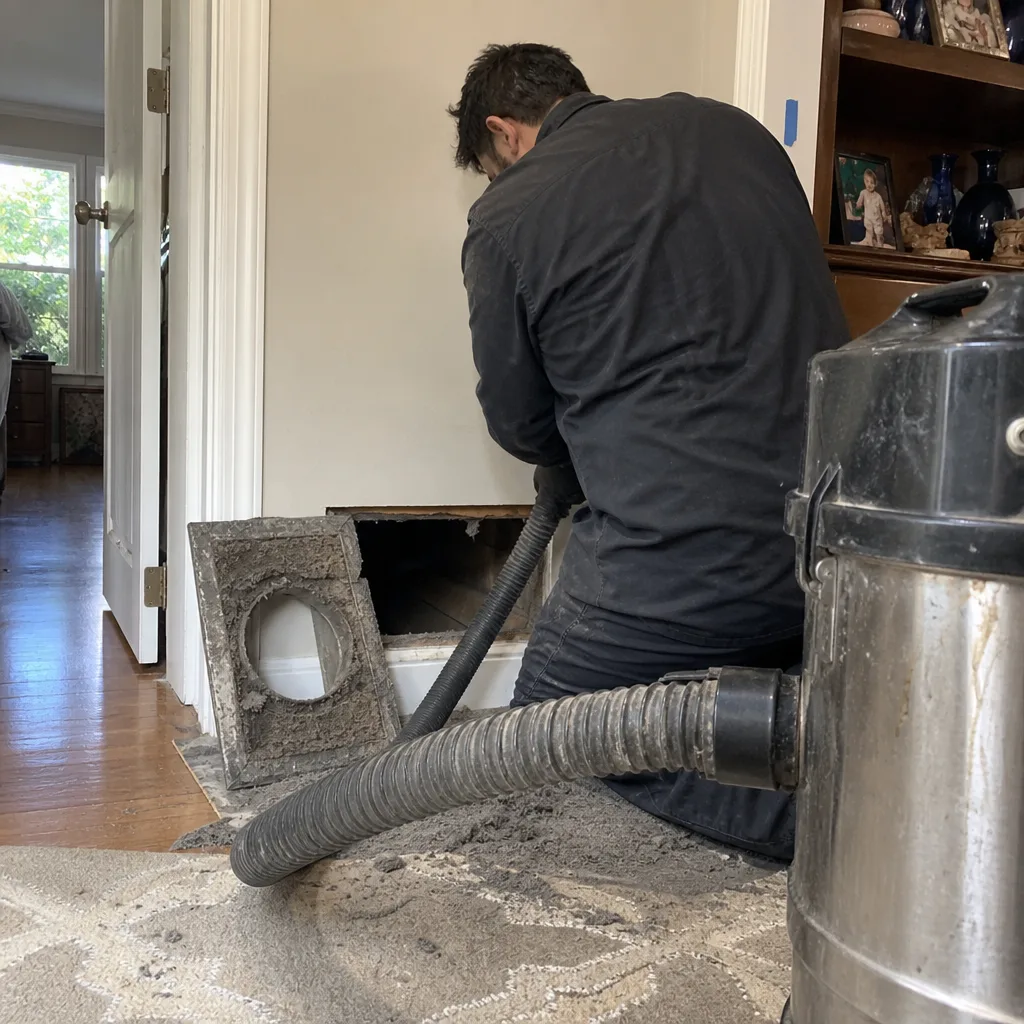 Before
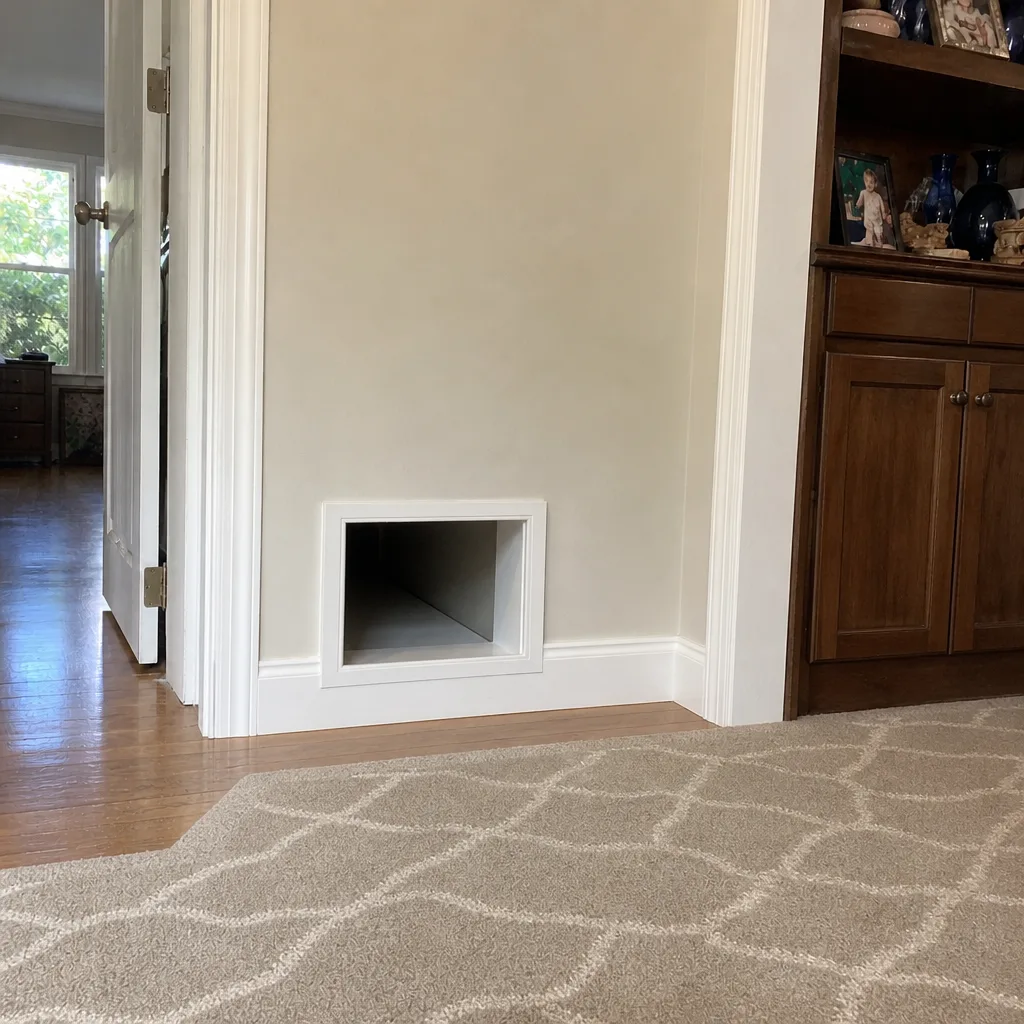 After
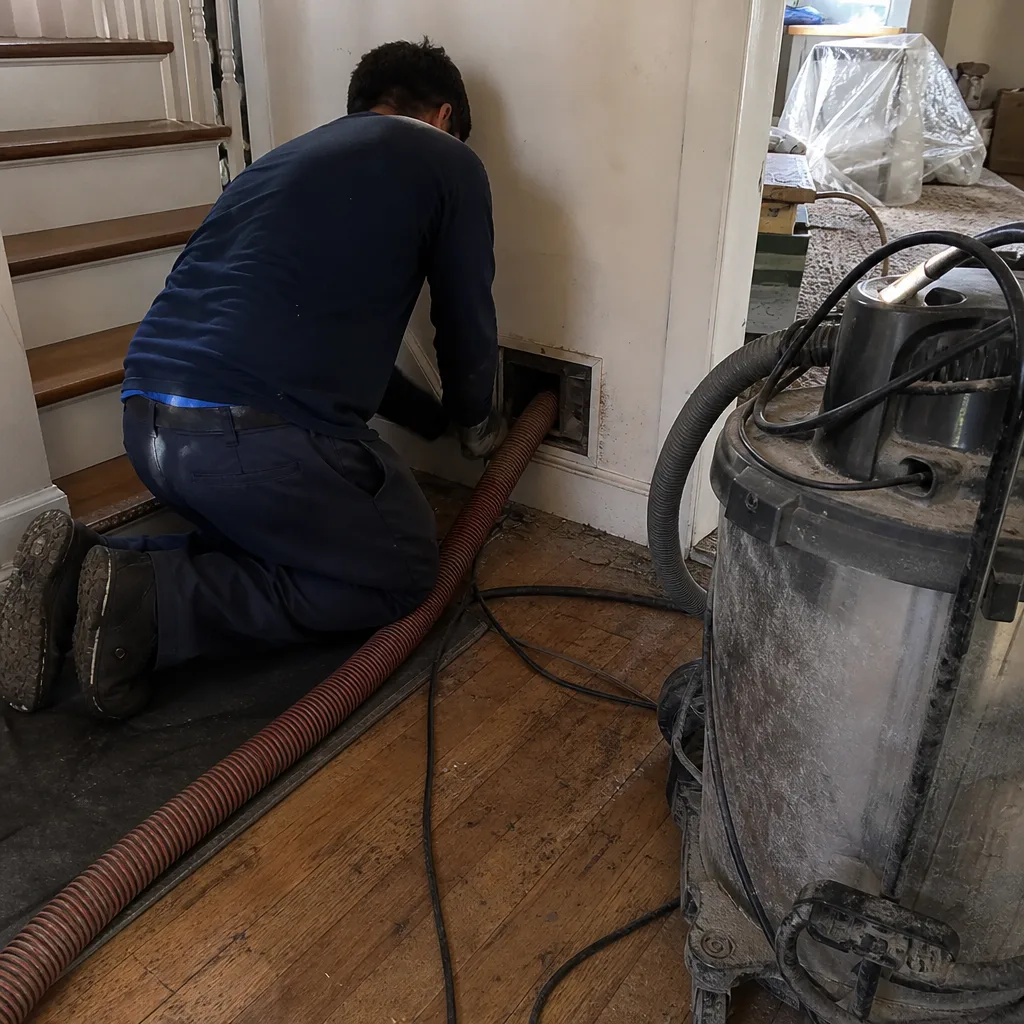 Before
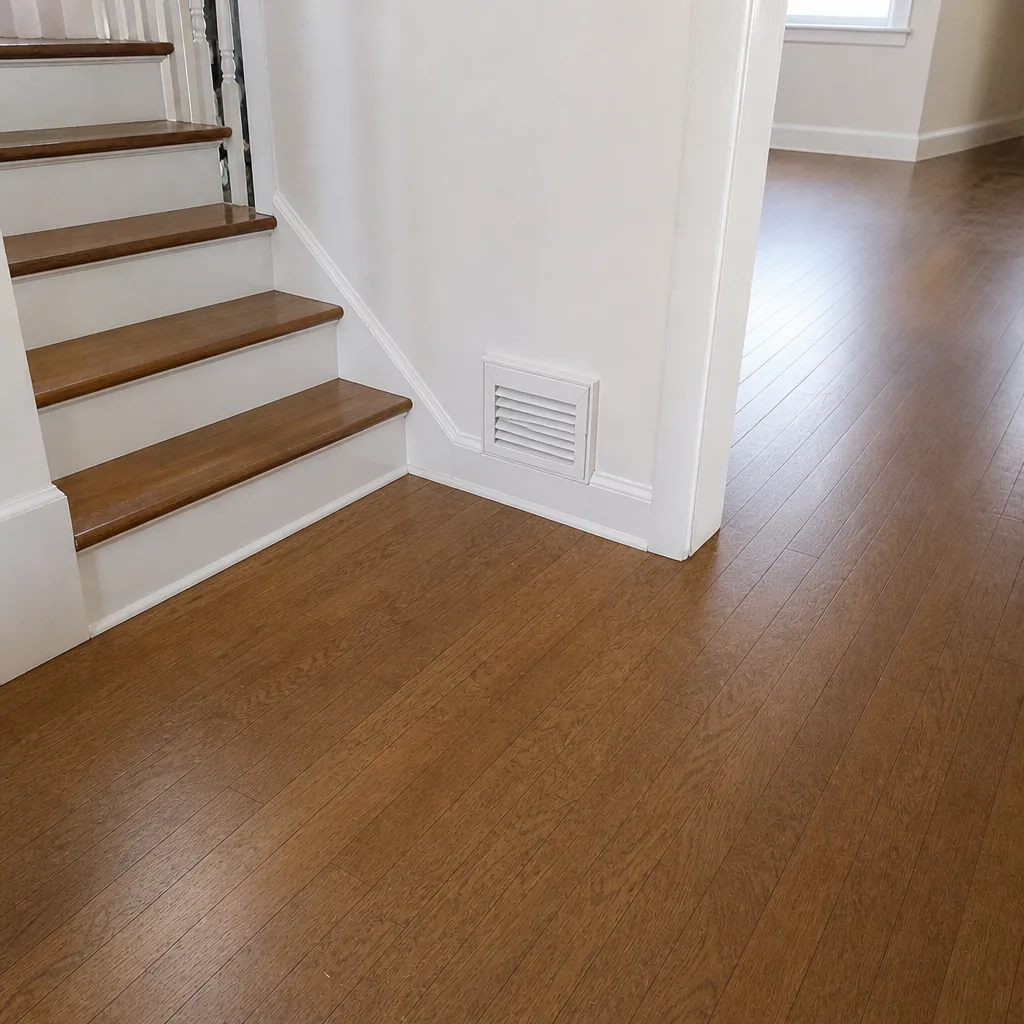 After
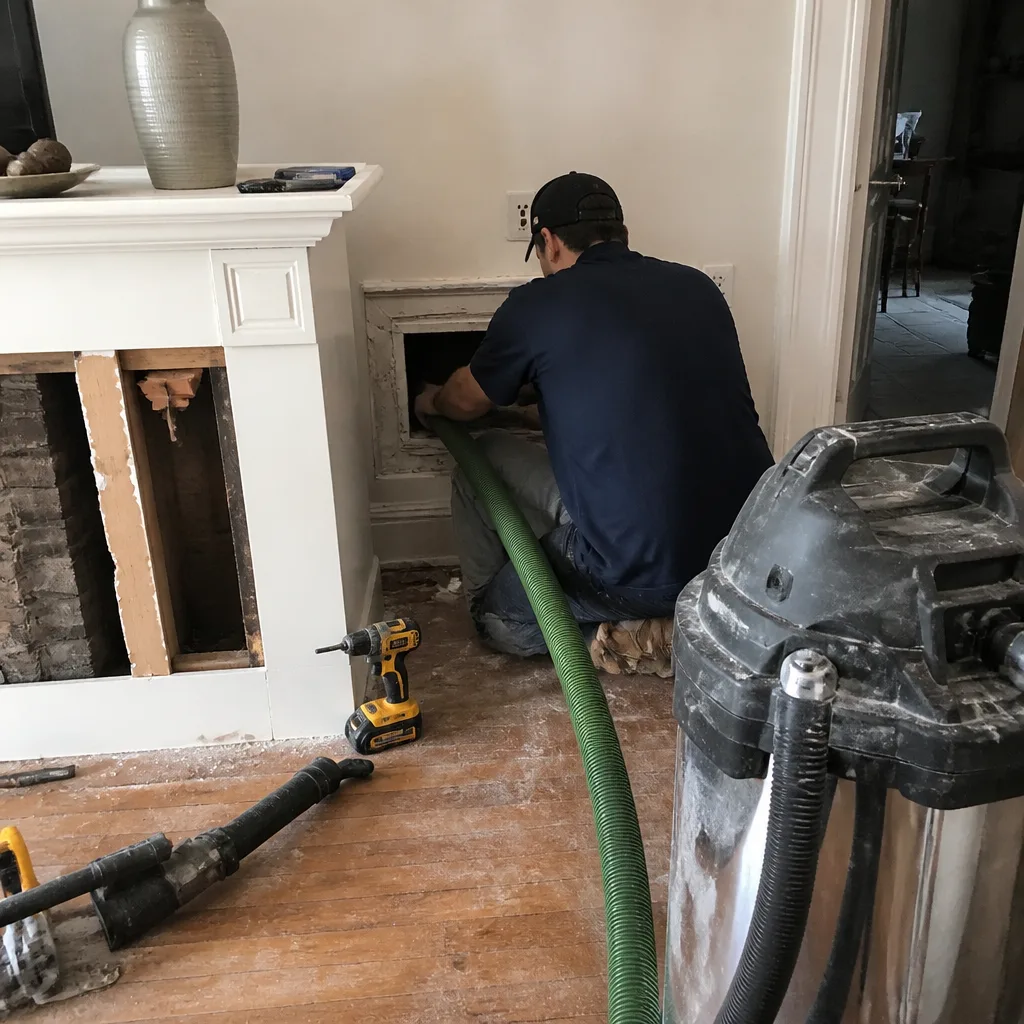 Before
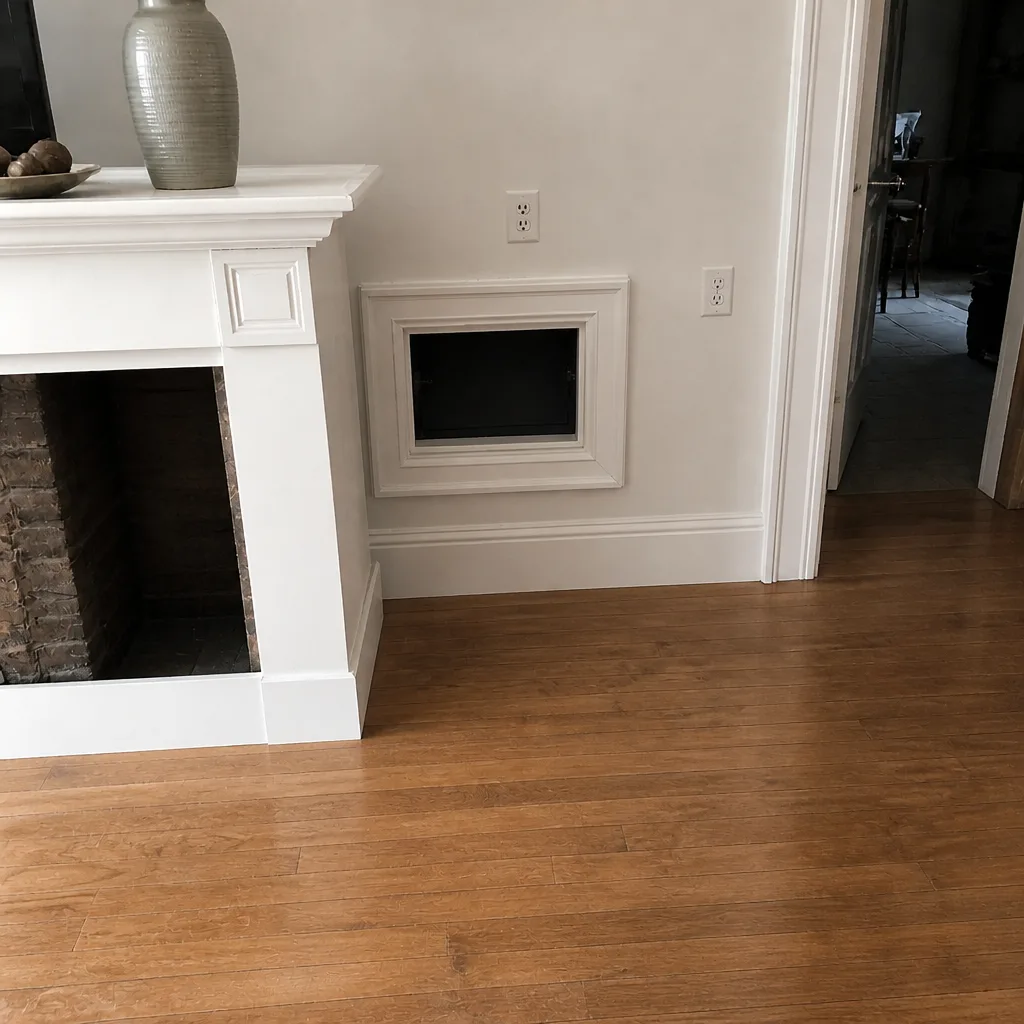 After
When to Call a Professional
Call a professional when the signs are specific, not ambient. Persistent dust settling on surfaces shortly after cleaning. Visible debris at the registers, or a return that whistles. A dryer that takes longer than it used to, or a laundry area that runs warm. A recent renovation that generated fine dust in the building. A musty smell that returns when the HVAC runs. Allergy or respiratory symptoms that flare when the system cycles. A diagnosis of duct losses from an energy audit, or a building modification that altered the duct routing. Any of these is enough to justify a real inspection by a company that cleans, repairs, seals, and sanitizes, not just vacuums. Chelsea Air Duct Cleaning offers free estimates in Chelsea. Call (866) 979-5520. We answer 24/7. Fast dispatch from 7am to 7pm, Sunday through Friday. Our technicians have up to 15 years of experience, and we bring professional-grade equipment from Rotobrush and Nikro, plus Abatement Technologies filtration, to every job.
Frequently Asked Questions
Air duct cleaning in Chelsea is priced per system by a written estimate, not per vent, and the estimate is free. The total depends on the size of the system, the number of duct runs, the access constraints in your building, and whether sealing, repair, or sanitizing is needed alongside cleaning. A fair estimate lists the scope in writing, names the equipment that will be on site, and includes verification afterward. Call (866) 979-5520 for an exact quote. Estimates are free.
Lower quotes usually come with smaller equipment or smaller scope. A crew using a shop vacuum and a rotating brush in the main trunk isn’t cleaning the way a professional-grade Rotobrush or Nikro system does, and it isn’t running source-control filtration the way an Abatement Technologies unit does. The cheaper quote often leaves the parts of the system that need attention untouched. Call (866) 979-5520 for a scope-based quote. Estimates are free.
Before-and-after photos of your own ducts, taken at each access point, are the verification step. That’s the standard to hold any company to. A written summary of what was found and what was cleaned, plus confirmation of any sealing or repairs, completes the record. If a company can’t produce photos of your system, they haven’t given you evidence. Call (866) 979-5520 to schedule an inspection. Estimates are free.
There’s no fixed schedule that fits every building. Inside a Chelsea brownstone or conversion with older ductwork, the answer depends on what’s been done recently, whether the building has had renovations, whether anyone in the household has respiratory sensitivities, and what condition the seals are in. A company with a baseline on your system can give you a specific recommendation. A company without one is guessing. Call (866) 979-5520 for an assessment. Estimates are free.
No. What matters is whether the company’s protocol, equipment, and references match your building type. A Chelsea-based address is a convenience; a documented history of working in brownstone conversions, pre-war walkups, and loft systems is a qualification. Ask for references from buildings like yours. Call (866) 979-5520 to discuss your building. Estimates are free.
A truck-mounted vacuum pulls high airflow but needs street-level access within hose length of the building. In dense Chelsea blocks, that access is often unavailable, and a portable professional-grade system is the better choice. Portable systems sacrifice some airflow but gain access, and with Rotobrush or Nikro equipment, the agitation and filtration that make the work effective travel with the technician. The right answer depends on your building, not on a fixed preference. Call (866) 979-5520 to discuss access. Estimates are free.
Clean ducts recontaminate quickly if the network is losing air at unsealed seams and fiploc transitions. Sealing closes those paths, which reduces both recontamination and energy losses from conditioned air escaping into wall cavities and ceiling plenums. Cleaning without sealing is a subscription to the same problem. Call (866) 979-5520 to scope cleaning and sealing together. Estimates are free.
Yes, if the company’s equipment, filtration, and protocol suit the building. The size of the company matters less than whether it brings abatement-grade filtration, professional-grade vacuum and agitation tools, and the full scope of cleaning, repair, sealing, and sanitizing under one roof. Ask what equipment will be on site and why. Call (866) 979-5520 to walk through your building’s access. Estimates are free.
The Bottom Line
The right air duct cleaning company in Chelsea is the one whose equipment fits your building’s access, whose protocol was built for urban duct routing, and whose verification practice gives you evidence of the work. Truck-mounted vacuum systems excel in suburban construction; portable professional-grade systems travel where trucks can’t, which matters in dense Chelsea blocks. Full-system specialists outperform single-service crews because they clean, repair, seal, and sanitize, addressing the root cause instead of the surface. Before-and-after photos of your own ducts are the verification non-negotiable. And a company with a baseline on your system will serve you better on every return visit. Chelsea Air Duct Cleaning offers free estimates; our technicians bring Rotobrush and Nikro equipment and Abatement Technologies filtration to every job. Call (866) 979-5520. We answer 24/7. Fast dispatch from 7am to 7pm, Sunday through Friday.
Written by the team at Chelsea Air Duct Cleaning.