
Last updated November 22, 2026
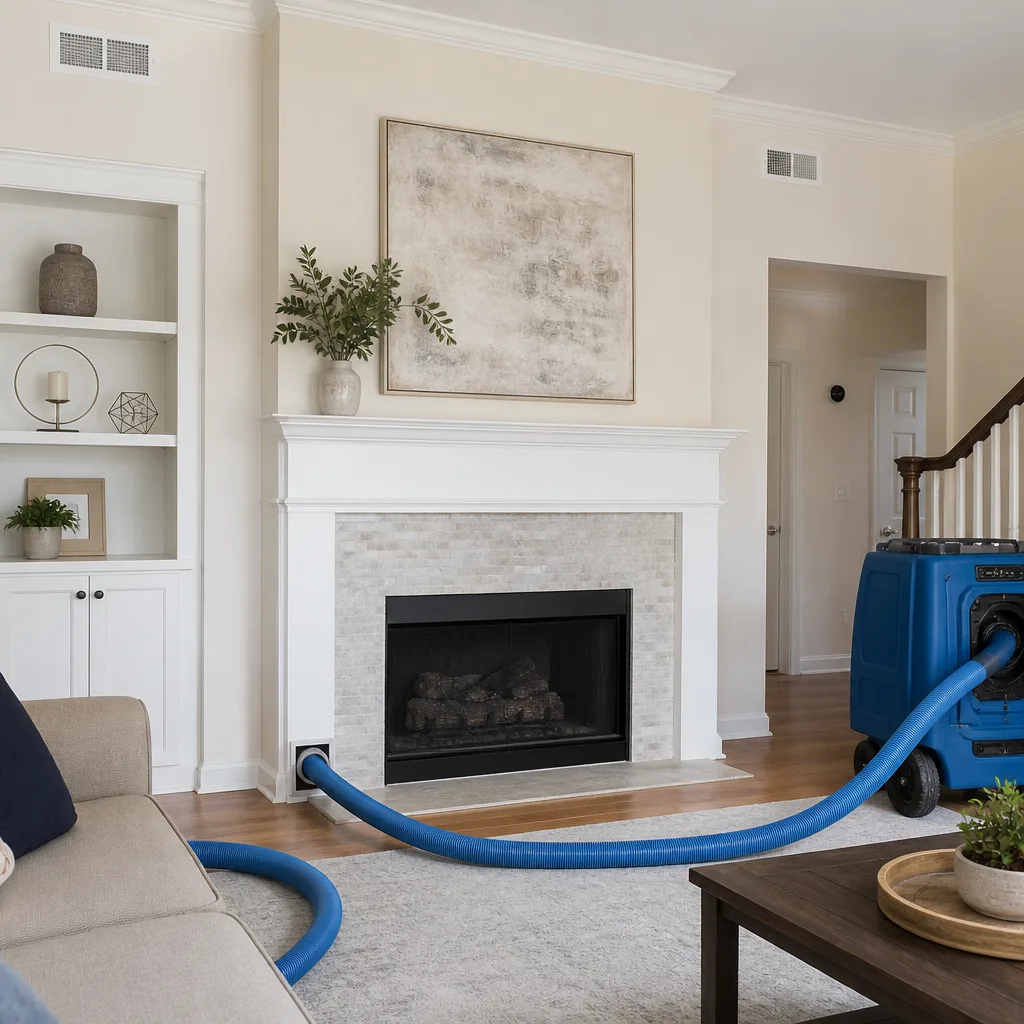 Whole-home duct cleaning
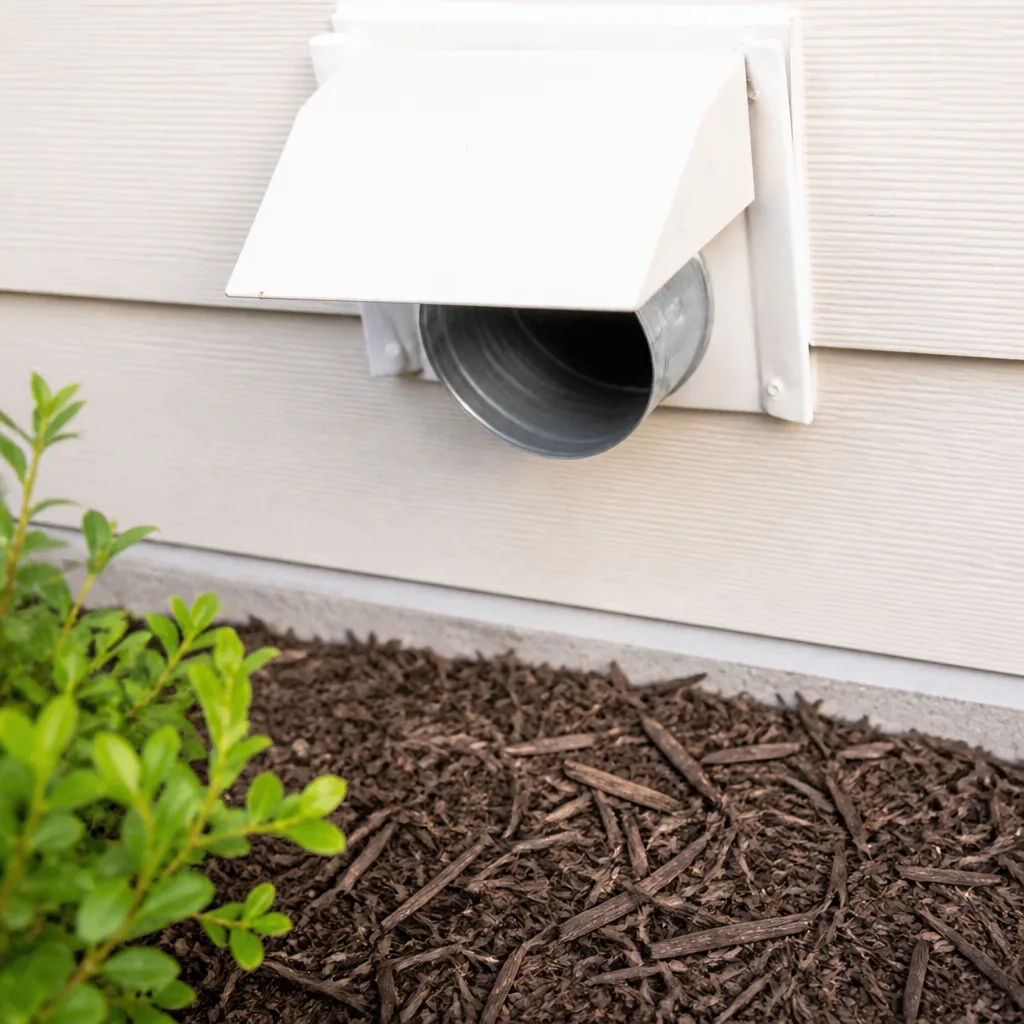 Dryer vent cleaning
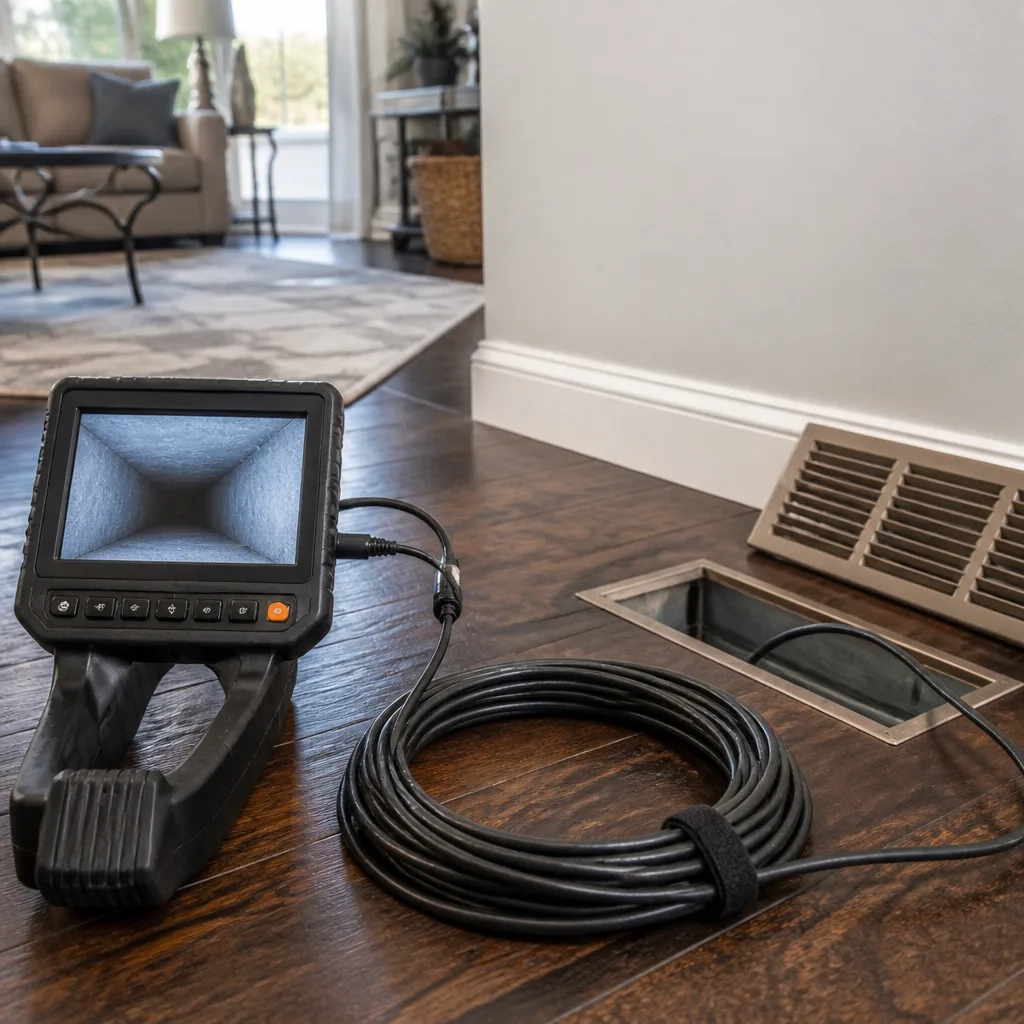 Camera inspection
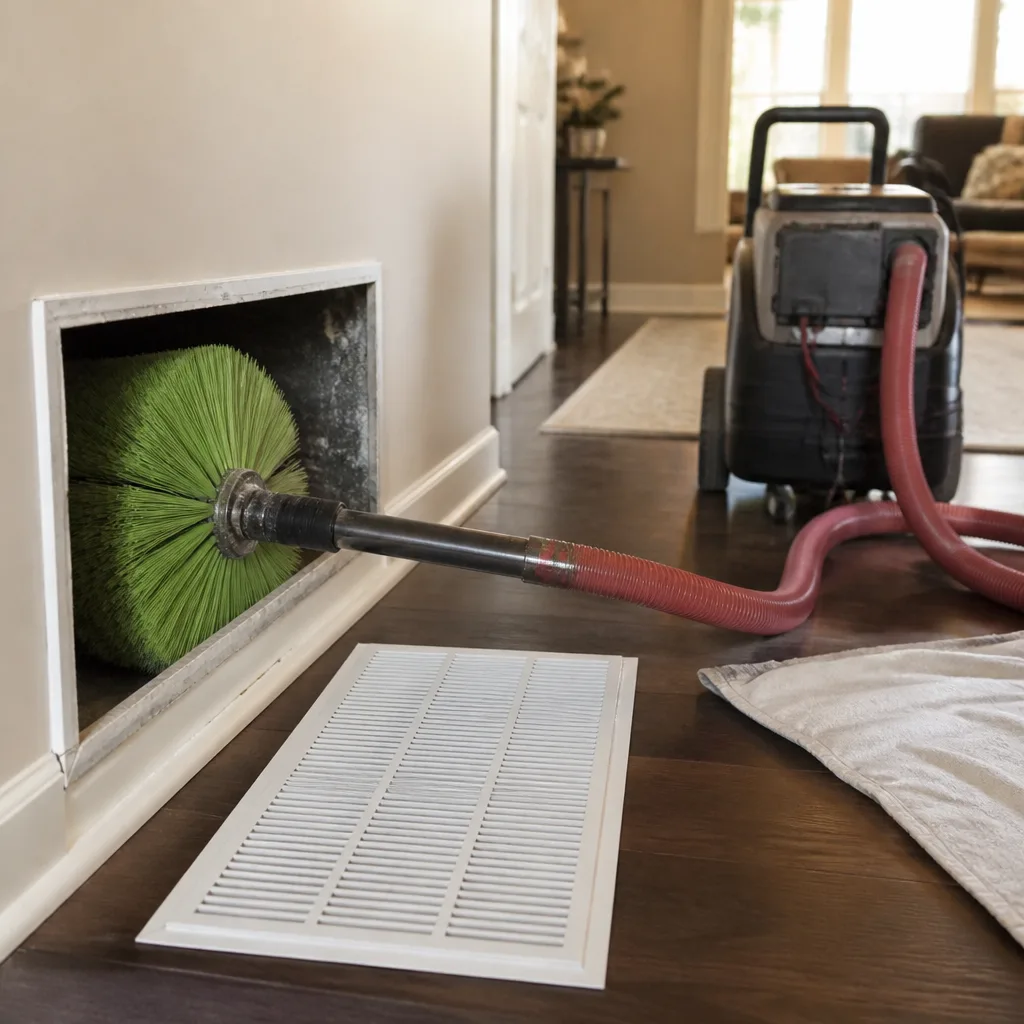 Sanitizing & deodorizing
Whole-system duct and dryer vent check with before-and-after photos - you see exactly what came out of your vents
That "$99 whole-house special" is a bait ad - the real number appears once they are in your hallway, or the "clean" is a shop-vac at the register. We photograph the inside of your ducts before and after instead.
The Complete Guide to Air Duct Cleaning in Chelsea
Most duct cleaning in New York City touches less than half of the surface area inside a typical system. The main trunk gets attention. The branches, the coil, the return plenums and the tight turns buried in the walls get skipped, because the equipment on the truck can’t reach them. That’s the part nobody tells you, and it’s the reason a cleaning that looked thorough can leave the same dust and odor problems behind a few months later. In this guide we’ll walk through the whole system the way we see it in Chelsea – what’s inside the network, what a real cleaning involves, and how to tell a full job from a surface wipe.
Quick Answer
A complete air duct cleaning in Chelsea means source removal across the entire system: trunk lines, branch runs, supply and return registers, the return plenum, the coil and the blower. Surface-only cleaning – where a crew vacuums the visible ducts and calls it done – misses contamination that re-enters your air. The right job uses professional-grade equipment to reach the whole network, then verifies the result before anyone packs up. Our technicians have up to 15 years of experience with the compact, non-standard duct runs you find in Chelsea’s pre-war and postwar buildings.
Styles & brands we work with
- Whole-home duct cleaning
- Dryer vent cleaning
- Camera inspection
- Sanitizing & deodorizing
Table of Contents
- Why Chelsea’s Building Stock Changes the Job
- Source Removal vs. Surface Cleaning: How to Tell the Difference
- Every Component That Has to Be Cleaned
- How Contamination Type Changes the Protocol
- The Equipment That Actually Matters
- What Legitimate Post-Cleaning Verification Looks Like
- How a Full-System Cleaning Works, Step by Step
- Common Mistakes to Avoid
Why Chelsea’s Building Stock Changes the Job
Chelsea is a neighborhood of extremes. The blocks around the historic districts hold pre-war walkups and converted lofts with duct work that was fitted to a building that never had central air to begin with. Along the western and southern edges you get postwar and newer construction with tighter, more standardized runs. Both present their own obstacles, and neither offers the long, straight, accessible trunk lines you’d find in a suburban ranch house.
In pre-war buildings, ducts are often retrofit runs tucked into chases, dropped ceilings or the space above a corridor. They turn sharply. They narrow without warning. Some segments are only reachable through a single access cut. A standard push vacuum can’t make those turns, so a crew without flexible tooling cleans the first few feet of every branch and skips the rest. That’s how a “full” cleaning ends up covering less than half the actual duct surface.
Postwar and newer Chelsea buildings bring a different challenge: more ductwork, more registers, and central HVAC that has run for years without a deep clean. The coil and blower in those systems collect dust and biological growth that never gets removed by cleaning only the ducts.
Layout matters too. The gallery-district character of many Chelsea buildings puts a premium on access and protection during the job. If a crew isn’t set up to control airborne debris at the source, dust ends up settling across the same apartment it’s supposed to be cleaning. That’s why we run Abatement Technologies air filtration equipment on site – it controls what’s in the air while the work is in progress.
Source Removal vs. Surface Cleaning: How to Tell the Difference
Source removal means physically dislodging and extracting the contamination from inside the duct, not wiping what’s visible at the register face. It’s the difference between cleaning a floor and dusting the top of the picture frame. Most cheap duct cleaning in Chelsea is surface cleaning, even when it’s advertised as full.
Here’s how to tell which one you’re getting before you hire:
- Access points: Source removal requires cutting or opening access into the ducts at strategic points. If the crew only works through existing registers, they’re not reaching the full network.
- Tooling: The right equipment includes flexible rotary brushes and whip lines that can navigate turns. Rotobrush and Nikro systems are purpose-built for exactly this, and they’re what certified HVAC contractors use.
- Time on site: A real full-system clean on a Chelsea apartment or loft takes hours, not minutes. If a two-person crew finishes a multi-register home in under an hour, the branches weren’t touched.
- What gets cleaned beyond the ducts: Surface cleaning stops at the duct. Source removal also includes the coil, blower, supply and return registers, and the return plenum.
A quick way to think about it: surface cleaning handles what you can see through the grille. Source removal handles what feeds the air you breathe.
Every Component That Has to Be Cleaned
A duct cleaning that touches only the ductwork isn’t a complete job. The duct network is the transport, but the air changes condition at several other points along the way, and each one is a contamination site. Here’s what a legitimately complete clean includes:
- Main trunk lines: The primary distribution runs that carry conditioned air out of the air handler and through the building.
- Branch runs: The smaller offshoots to each register. These collect the most dust because airflow slows at the turns.
- Supply registers: The grilles you see. They’re a small surface area, but they catch a lot of debris and they’re the first thing any homeowner inspects.
- Return plenums: The large collection chambers on the return side. These often hold heavier debris, and they’re the return path for everything that’s floating in the living space.
- Evaporator coil: The wet, finned coil in the air handler where mold and biological growth tend to establish. It’s out of sight but directly on the airstream.
- Blower assembly: The fan that moves all the air. A dust-loaded blower reduces airflow and lets dust re-enter the ducts downstream.
- Air handler cabinet: The housing around the coil and blower, which collects debris the duct itself doesn’t.
When we do HVAC cleaning, we treat the whole assembly – ducts, coil, blower, and cabinet – as one system, because treating them separately just moves the problem around. In compact Chelsea apartments especially, where the air handler is often tucked into a closet or soffit, cleaning the coil and blower is the only way to stop the ducts from recontaminating.
How Contamination Type Changes the Protocol
Not all contamination is the same, and the protocol that removes one kind can be the wrong approach for another. Part of what a system diagnosis involves is identifying what you’re actually dealing with before the cleaning starts.
Household dust and settled debris is the base case. This is dry buildup from years of normal operation, and mechanical source removal with a rotobrush and a high-powered vacuum handles it cleanly.
Mold and microbial growth requires a different protocol. Once mold establishes on the coil or in a wet section of duct, mechanical cleaning alone can leave spores behind. That’s where sanitizing comes in. We work with air quality products from Honeywell and Aprilaire, and we approach the sanitizing step as a treatment of the microbial problem, not a fragrance spray. Sanitizing without cleaning first is pointless, and cleaning without sanitizing a wet system often means the growth returns.
Construction dust is a Chelsea specialty. Renovations happen continuously in this neighborhood, and fine drywall dust and silica travel through a building’s duct system far more easily than people realize. It’s abrasive, it coats the coil, and it settles in branch runs. A renovation should be followed by a system check, not just a filter change.
Rodent debris demands the most careful handling. Contaminated debris must be controlled at the source, removed from the space, and the affected area treated afterward. Running standard duct cleaning without controlling the particulate first spreads contamination into the living space. That’s a job for remediation-level equipment and a careful protocol, and it’s why we use filtration controls on site rather than simply opening the ducts and vacuuming.
The Equipment That Actually Matters
Duct cleaning equipment isn’t interchangeable. A shop vacuum and a rotary brush on a flex shaft can handle a light job, but it can’t reach the full surface area of a Chelsea duct system, and it doesn’t control airborne debris. The equipment on site tells you what the crew is actually capable of.
- Rotobrush and Nikro duct cleaning systems – These are the professional-grade systems certified HVAC contractors use. Rotary brushes and whip lines on flexible shafts navigate tight turns and clean the interior of every reachable section, not just what’s near the access point. We use both.
- Abatement Technologies air filtration – Remediation-grade filtration that captures debris in the air while the job is in progress. In compact Chelsea apartments, this is the difference between a controlled cleaning and a dust storm.
- Honeywell and Aprilaire air quality products – Used in the sanitizing and air quality treatment step after cleaning.
- Guardsman protective products – Applied as part of finishing the job and protecting the cleaned surfaces.
The other thing that matters is the dryer vent. It’s a system component that’s often ignored until something goes wrong, and blocked dryer vents are a leading cause of residential fires. We treat dryer vent cleaning as its own dedicated service because the lint that builds up in a duct vent is a different problem from air duct contamination and needs its own approach. If you haven’t had it checked in a few years, it’s worth scheduling alongside an air duct service.
What Legitimate Post-Cleaning Verification Looks Like
The hardest part of hiring a duct cleaner is knowing whether the work was actually done. A technician saying “all done” is not verification. Real verification gives you something you can check yourself.
Here’s what to look for:
- Before-and-after photos of your own ducts. Ask for photos of each section cleaned, not generic marketing images. You should be able to see the interior of the branches and trunk lines, before and after.
- Visible access points, sealed afterward. A source-removal clean creates access cuts. Those cuts should be properly sealed by the end of the job, and you should be able to locate them.
- Register and grille condition. Each register should be visibly clean, with no dust film on the vanes or frame.
- Coil and blower condition. If the coil and blower were part of the scope, ask to see them. A cleaned coil looks noticeably different from a fouled one.
- A walkthrough. Whoever finished the job should walk the system with you and explain what was cleaned and what was found.
If the crew can’t produce photos, nothing was cut open, and nothing was sealed, the branches and the coil were very likely skipped. That’s the churn you see in the market: cheap cleanings that need to be repeated because the source was never removed. Our approach is to leave you with before-and-after photos of your own system, so you can judge the work on its evidence.
How a Full-System Cleaning Works, Step by Step
A complete air duct cleaning is a sequence, not a single pass. Here’s the general order we follow on a Chelsea job:
- Diagnose. We inspect the system layout, identify the duct material and contamination type, and map where access is needed. This step determines the protocol; mold and rodent debris get a different plan than household dust.
- Protect the space. Air filtration equipment is set up to control airborne debris before any duct is opened.
- Cut access. Access points are opened at strategic locations so the whole network can be reached, including branch runs and hidden sections.
- Clean the ducts. Rotobrush and Nikro equipment dislodges and extracts debris from the trunk and branch lines.
- Clean the coil, blower, registers, and return plenum. The HVAC assembly and every supply and return point are cleaned as part of the system.
- Clean the dryer vent if it’s in scope for the visit. Separate service, but it belongs on the same schedule.
- Sanitize where needed. For mold, odors, or biological contamination, the treated sections are sanitized with Honeywell or Aprilaire products, and Guardsman protective products are applied to finish.
- Seal access points. Everything opened is closed and sealed properly.
- Verify. Photos of your own ducts, a walkthrough, and a clear explanation of what was done.
The order matters. Sanitizing before source removal leaves the contamination in place. Sealing before verification means nobody can check the work. Skipping the coil and blower means the duct recontaminates. Each step closes a door on the previous one.
If you want to understand the full scope of what we offer, the main Chelsea Air Duct Cleaning page lays out every service we do.
The Duct Repair and Sealing Piece Nobody Mentions
Cleaning without repair often undoes itself. In Chelsea’s older buildings, duct joints have loosened, seams have opened, and sections have been patched improperly over time. Cleaned ducts with unsealed joints pull dirty air from wall cavities and building voids and push it back into the living space. If we don’t address the leaks, the contamination comes back fast.
That’s why we include duct repair and sealing in the scope rather than treating it as an optional add-on. Verifying the system means checking for leaks, and sealing any that turn up. For a Chelsea apartment or loft with older, retrofit ductwork, this step alone often restores measurable airflow and comfort – and it keeps the result of the cleaning intact.
When Duct Cleaning Is Actually Due in Chelsea
There’s no universal interval that fits every home. The real answer depends on the system, the building, and what’s happened to the space. Here are the signals that usually justify a cleaning and inspection:
- Visible dust collecting on registers, grilles, or the ceiling around them shortly after cleaning the room
- Musty or stale odors when the HVAC runs, especially on the return side
- Recent renovation in the building or the unit – drywall dust and construction debris travel into the duct network
- Pest activity, or any sign of rodent debris
- Known mold in the air handler or visible on the coil
- Persistent allergy or respiratory symptoms that improve away from the home
If you’re a property manager responsible for multiple units, a periodic inspection across the building often makes more sense than waiting for tenant complaints. Cleaning is cheaper than repeated remediation, and it lets you plan the work rather than reacting to one unit at a time.
Common Mistakes to Avoid
- Hiring on price alone. A cheap quote usually means surface cleaning with limited tooling. In a Chelsea pre-war building with tight turns, the cheap job skips most of the system.
- Assuming existing registers are enough access. A real full-system clean requires cutting access points. If a crew refuses to open the ducts, the branches aren’t getting cleaned.
- Skipping the coil and blower. Cleaning ducts without cleaning the coil and blower leaves the main source of growth and debris in place, and the ducts recontaminate.
- Sanitizing before cleaning. Sanitizing a dirty system treats the surface and leaves the contamination. Clean first, then treat.
- Cleaning without sealing leaks. Unsealed duct joints pull dust back into the system immediately after cleaning.
- Ignoring the dryer vent. Blocked dryer vents are a leading cause of residential fires, and they’re a separate service that’s easy to forget.
- Accepting “all done” without proof. Ask for photos of your own ducts and a walkthrough. If you can’t inspect the result, the job is only as good as the promise.
See the difference
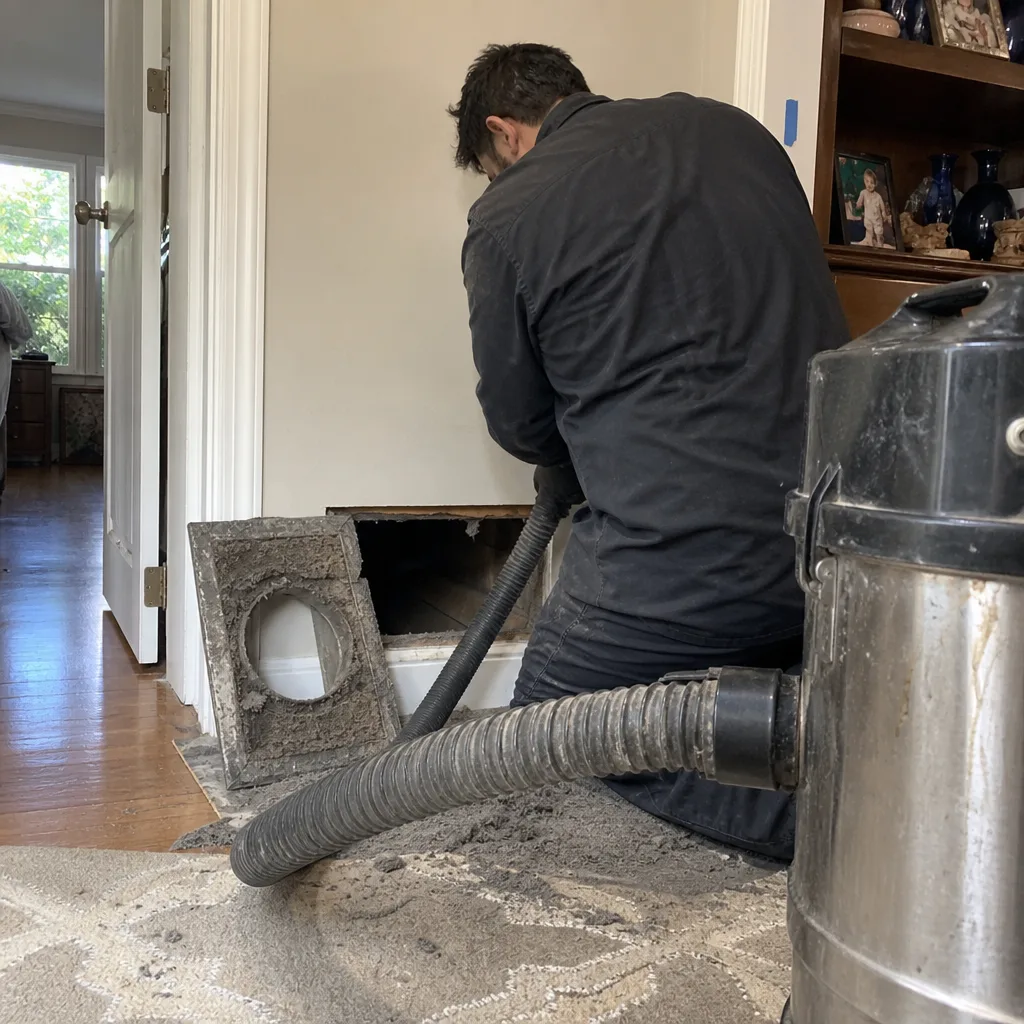 Before
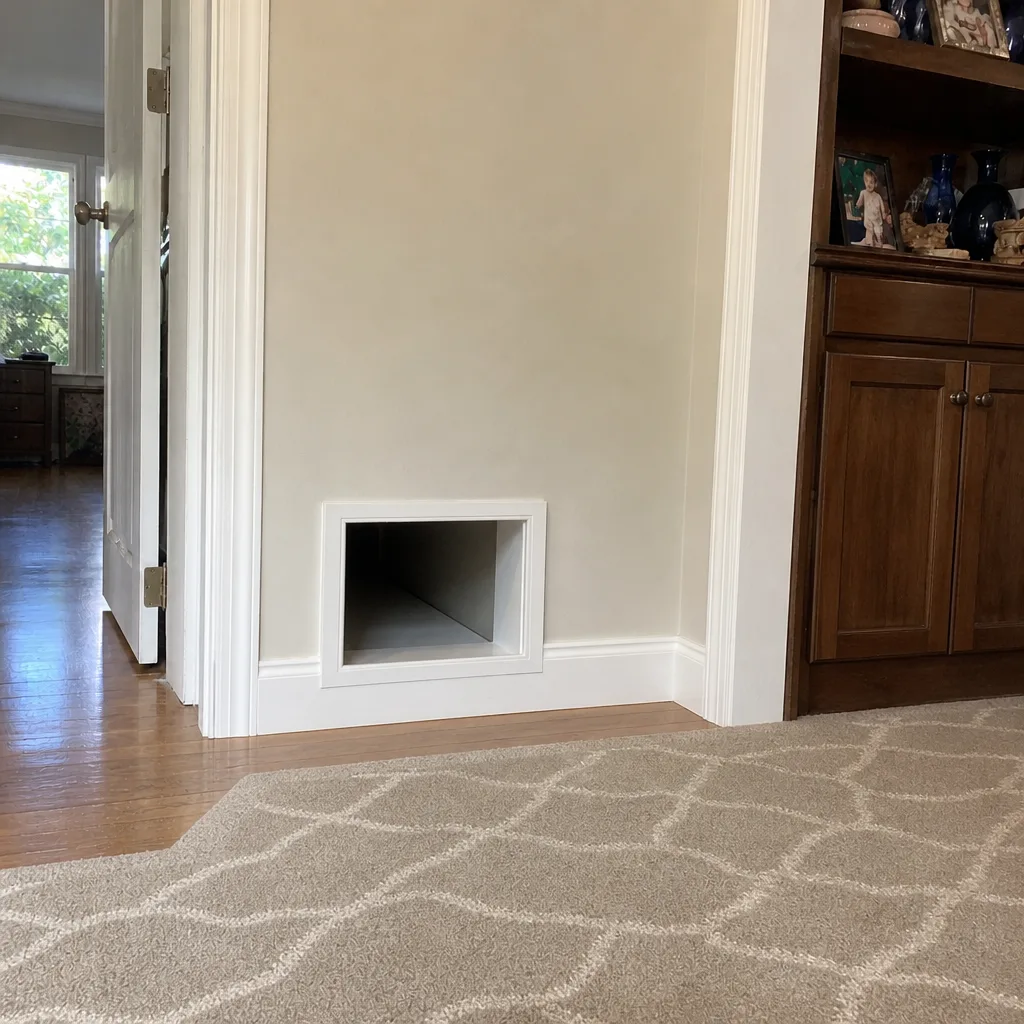 After
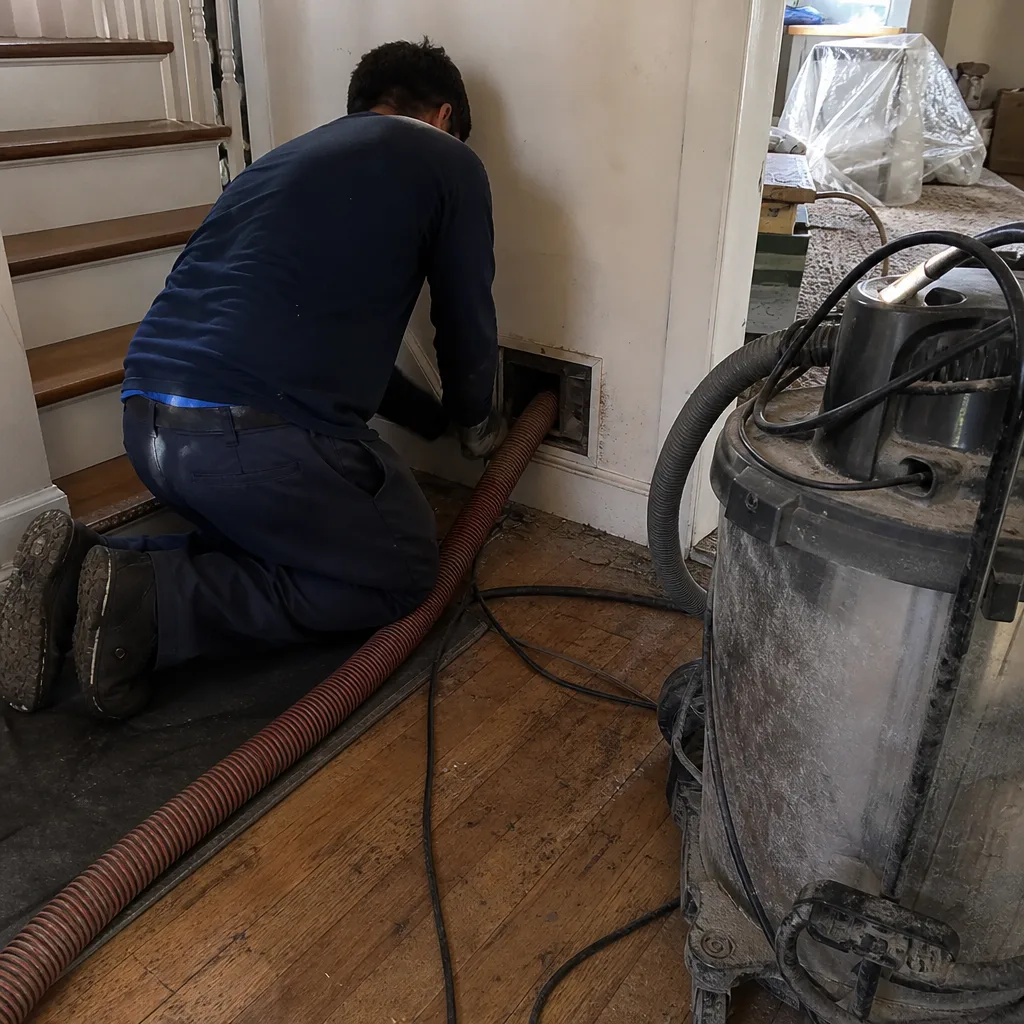 Before
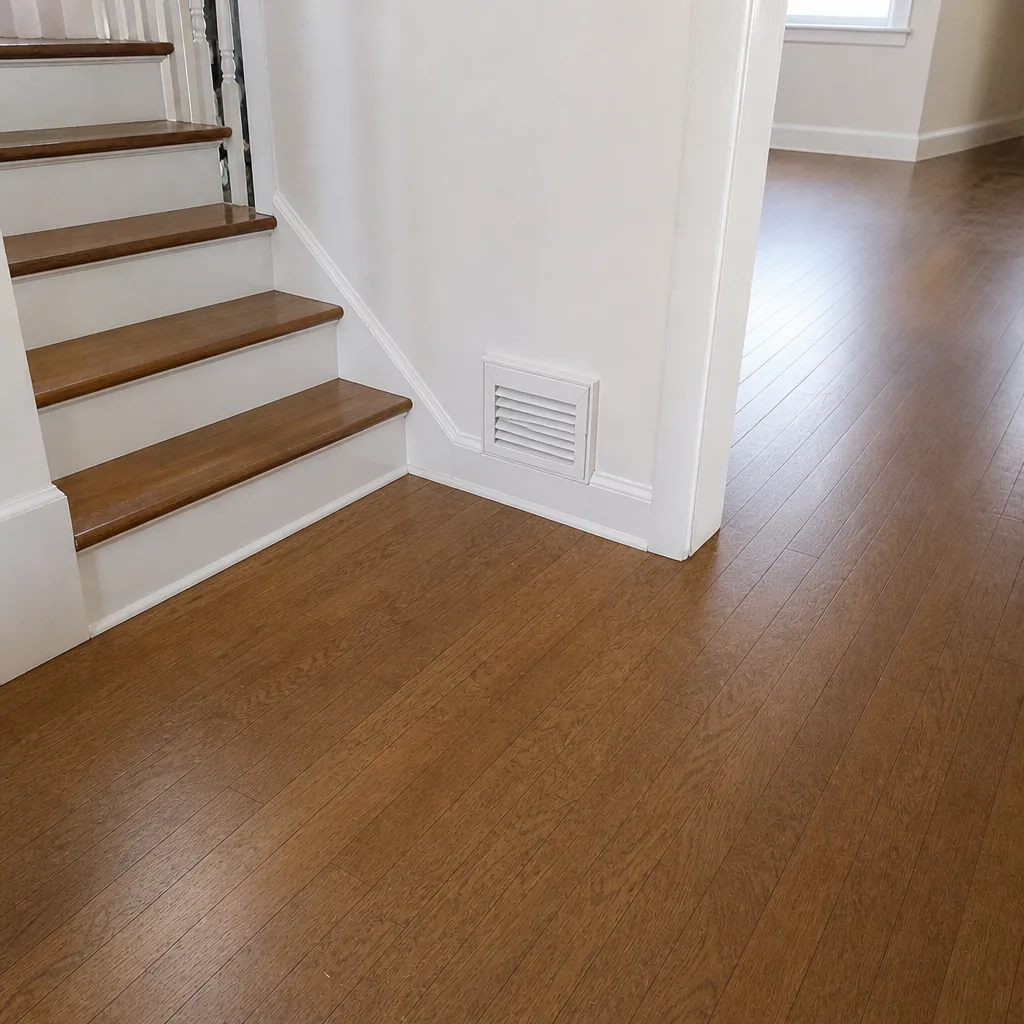 After
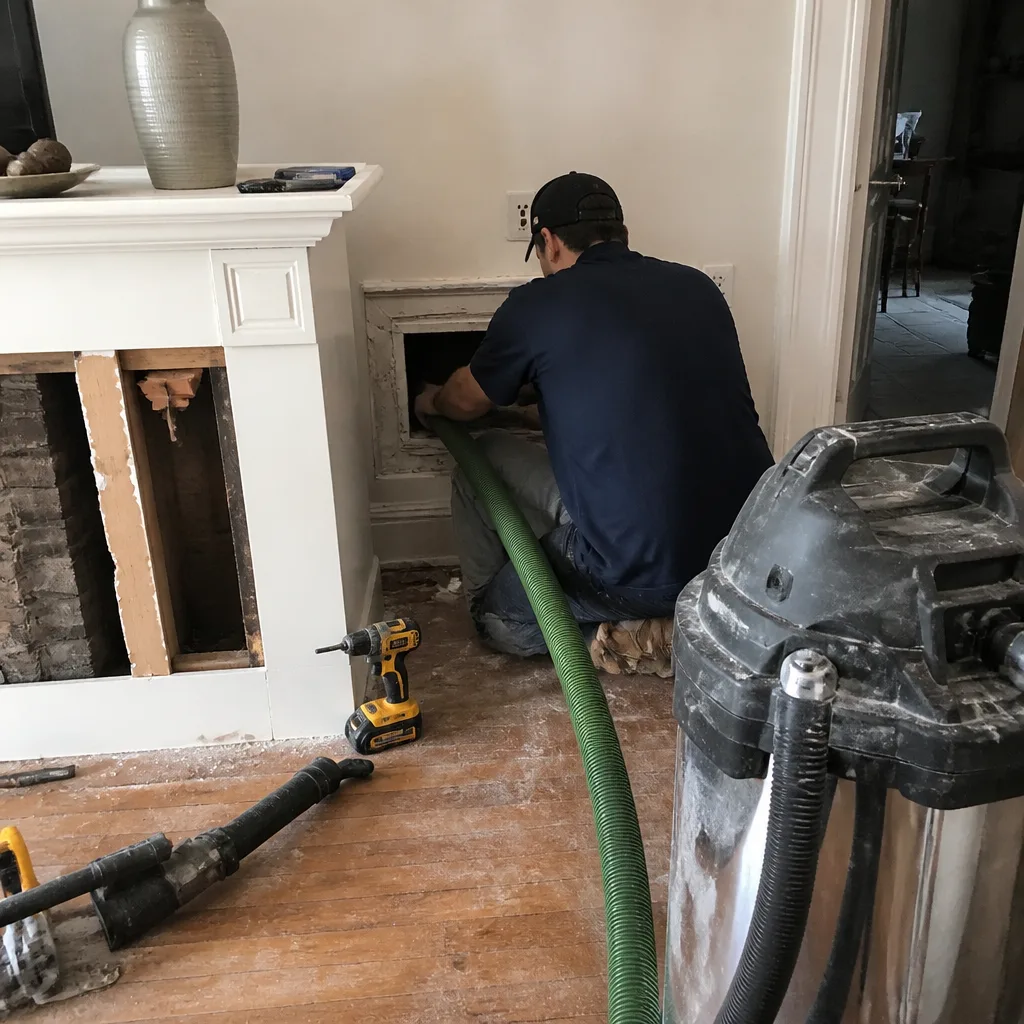 Before
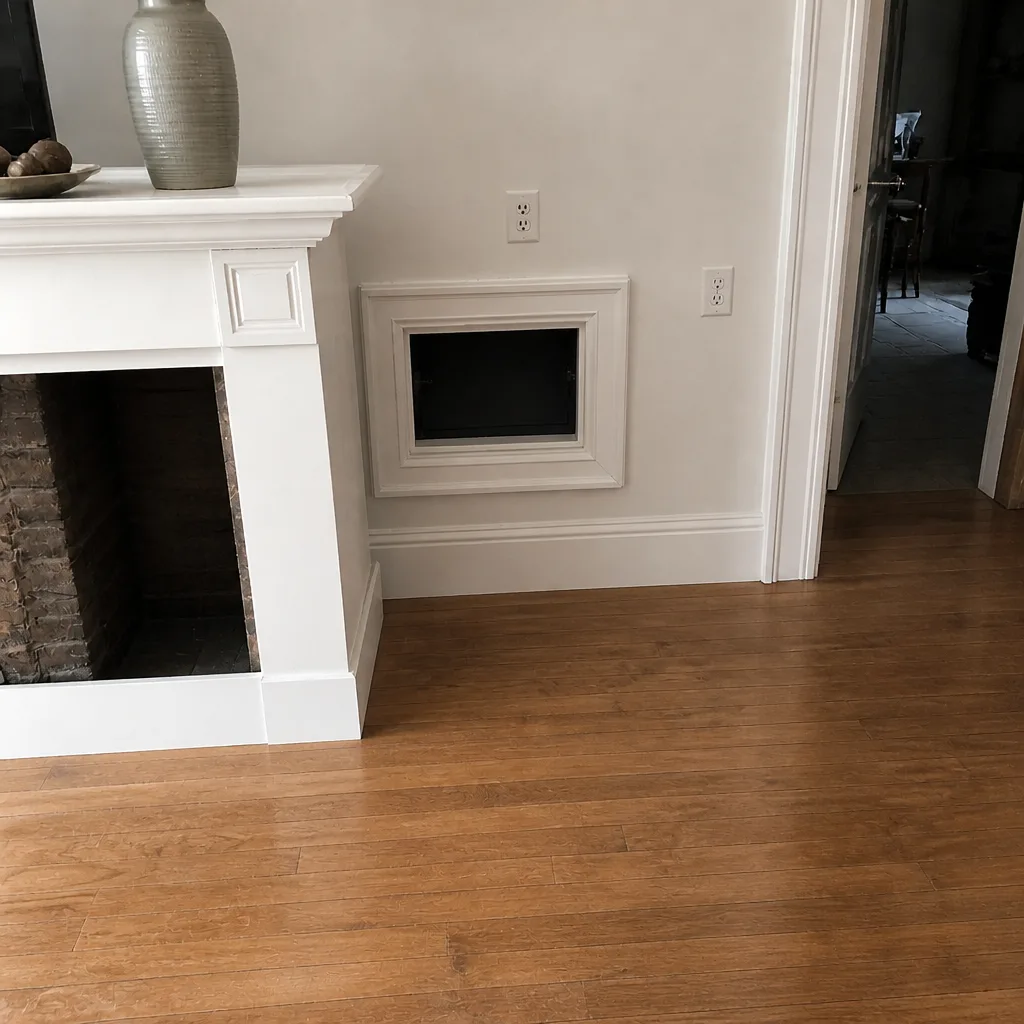 After
What Duct Cleaning Typically Costs and Why Quotes Vary
Duct cleaning is priced per system by a written estimate, and the number of registers, the system size, the contamination type and the amount of repair needed all affect it. Two Chelsea apartments of the same square footage can price very differently if one has accessible ductwork and the other has retrofit runs that need additional access cuts.
Quotes that come in well below the market usually reflect surface-only cleaning, limited access, and no coil or blower work. The reason it looks cheap is that the scope is smaller than yours. When you compare estimates, compare what’s included – access points, branches, coil, blower, returns, verification – not just the total.
When to Call a Professional
Call a professional when you see dust returning to registers fast, when you smell mustiness when the air runs, when a renovation just finished, when there’s any sign of rodent debris, or when you don’t know the last time the system was cleaned. These aren’t jobs for a shop vacuum, and the risk of spreading contamination while trying to clean it is real. Chelsea Air Duct Cleaning offers free estimates in Chelsea – call (866) 979-5520. We answer 24/7. Fast dispatch from 7am to 7pm, Sunday through Friday.
Frequently Asked Questions
Air duct cleaning is priced per system by a written estimate, and the final price depends on system size, register count, contamination type, and whether repair or sealing is needed. Estimates are free, so the most reliable way to know is to have the system inspected. Call (866) 979-5520 – estimates are free.
For most Chelsea homes, a cleaning and inspection every few years is reasonable, but the right interval depends on the building and what’s happened to it. A recent renovation, pest activity, or ongoing odors are reasons to have it looked at sooner. Call (866) 979-5520 to schedule a free estimate on your system.
Because the scope is smaller. Cheap quotes usually mean surface cleaning through existing registers, no access cuts, no coil or blower cleaning, and no verification. Compare what’s included, not just the price. Call (866) 979-5520 for a real, written estimate.
Ask for before-and-after photos of your own ducts, visible access points that have been sealed, and a walkthrough of the system at the end of the job. A technician saying “all done” isn’t verification. Call (866) 979-5520 if you’d like a second look at a past job.
Often, yes. Older duct systems in Chelsea buildings have loosened joints and open seams, and those leaks pull dust back into the system after cleaning. Sealing the leaks is part of keeping the cleaning effective.
Dryer vent cleaning is a separate service, and it addresses a different problem than air ducts – built-up lint that is a leading cause of residential fires. It can be scheduled alongside the duct work. Call (866) 979-5520 to arrange both.
The Bottom Line
Air duct cleaning in Chelsea isn’t a vacuum job – it’s a system diagnosis followed by source removal across the whole network. That includes the trunk, the branches, the registers, the return plenum, the coil, and the blower. The equipment matters: professional-grade systems and on-site air filtration control are what separate a real clean from a surface wipe. Verification matters too, and it looks like before-and-after photos of your own ducts. If you want the whole system handled in one visit, call Chelsea Air Duct Cleaning at (866) 979-5520 for a free estimate. We answer 24/7. Fast dispatch from 7am to 7pm, Sunday through Friday.
Written by the team at Chelsea Air Duct Cleaning.